
Can Solar Panels Run a Hot Tub or Swimming Pool?
Yes, in the way that actually matters: solar panels don't power one appliance, they offset your whole home's consumption, and a hot tub is simply a big, steady addition to that consumption which solar handles well. A tub's heater and pumps draw meaningful electricity every day of the year, so a system sized with the tub in mind, ideally with a battery carrying stored sunshine into your evening soak, can absorb most of its running cost. Pools are the same story at a larger scale. What nobody honest will promise: a magic panel that makes the tub free in January.
In This Guide
What a tub really uses
A hot tub is two loads wearing one shell: a heater holding a few hundred litres of water at bath temperature outdoors in Britain, and pumps filtering and massaging around it. Manufacturer figures and owner meters commonly land in the range of a few kilowatt-hours a day in summer, climbing markedly in cold months when the heater fights the weather, which puts a well-used tub's annual appetite in the four figures of kilowatt-hours for many households, at typical rates, hundreds of pounds a year on the bill. Exact numbers vary with tub size, insulation quality, cover discipline and how often the lid comes off; the point is the shape: a real, daily, year-round load, which is precisely the kind solar likes.
How solar actually covers it
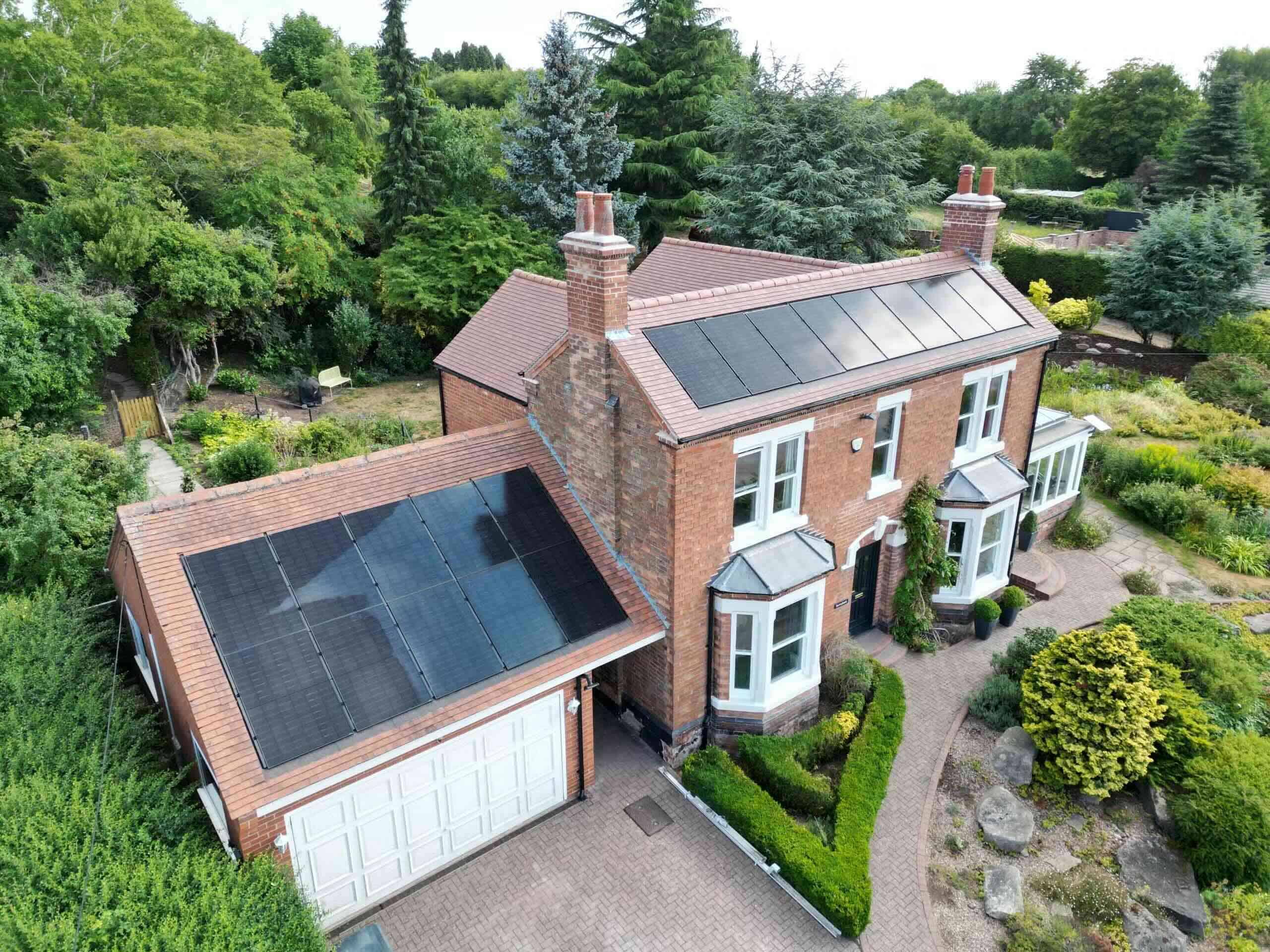
Forget the mental image of a cable from panel to tub. Your array feeds the whole house, and the tub is one consumer among many, so the honest framing is arithmetic, not plumbing: an array like the one pictured generates thousands of kilowatt-hours a year, and the tub's consumption comes out of that pool of generation like the kettle's does. Two happy alignments help the tub's case. Its heater cycles through the day, overlapping generation hours nicely. And the season when solar over-delivers, summer, is exactly when tub use peaks and its per-day cost is lowest, so summer soaks genuinely run on sunshine. Winter soaks lean on the grid, or better, on the battery and a smart tariff, next.
The battery: soak after sunset
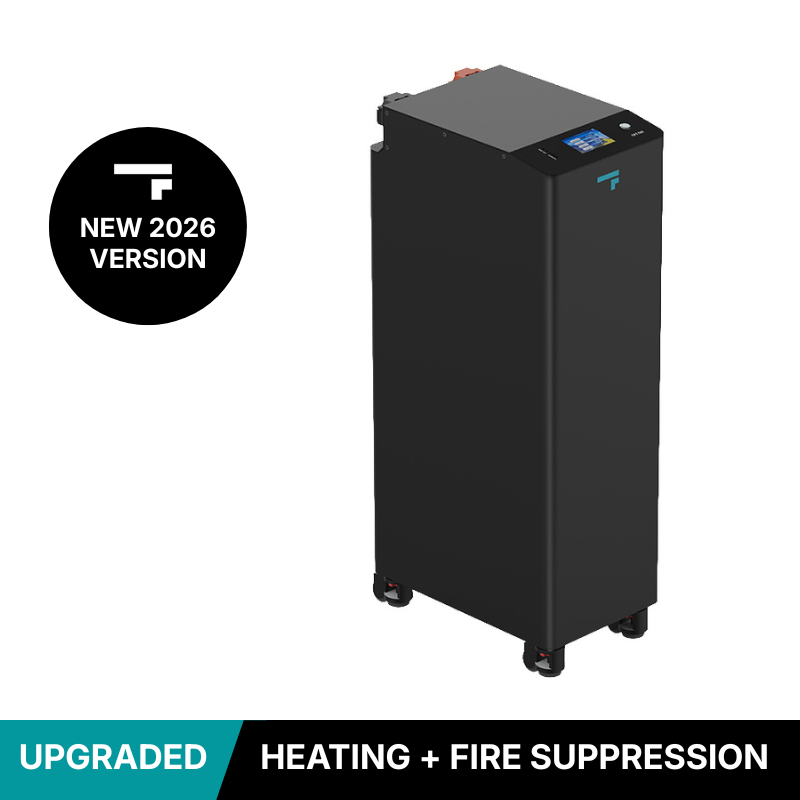
Most hot-tubbing happens in the evening, after the panels have clocked off, which is the tub-owner's version of the argument our time-shifting guide makes for every household: a battery moves the day's sunshine to the hours you actually live in. A 16.1kWh battery like ours covers an evening's heating recovery and pump cycles with the day's surplus, and in winter it fills overnight on a cheap tariff window so even the January soak runs on off-peak units rather than peak-rate grid power. Tub owners are, without realising it, close to the ideal battery customer: high evening consumption, every single day, all year.
Swimming pools, same logic, bigger
A heated swimming pool is the tub's argument multiplied: circulation pumps running hours daily and a heating load, air-source heat pump, gas or electric, that dwarfs a tub's. Solar helps the same honest way, by offsetting the property's total consumption, and pool properties have two structural advantages: the pool season and the solar season are the same months, and homes with pools tend to have the roof area, often outbuildings too, for the larger arrays the load justifies, sized per our system sizing guide. For pool houses and plant rooms, the design conversation overlaps with our three-phase guide, since serious pool plant sometimes lives on three-phase supplies.
Sizing with a tub in the plan
The practical takeaway for buyers: tell the surveyor about the tub, or the tub you are planning, because it changes the right answer. A tub-owning household's consumption runs above the averages the calculators assume, which typically argues for panels toward the larger end of what the roof takes and for the bigger battery, exactly the trade-offs in our package guide, where the step up in capacity costs relatively little while the install is happening anyway. Owners often find the tub reframes the whole purchase: the system stops being an eco upgrade and becomes the thing that makes the tub guilt-free. The savings calculator takes your real usage, tub included.
Tub on the patio, or on the wishlist?
Free design and quote: we size the array and battery around your actual consumption, hot tub included, one all-in price. Design normally within 2 to 4 days depending on workload. Call 0115 773 7575, 8am to 8pm, Monday to Friday.
Get EstimateFrequently asked questions
Can solar panels power a hot tub?
Yes, the way solar powers anything in your home: the array offsets the whole property's consumption, and the tub's daily heater and pump load comes out of that generation. A system sized with the tub in mind, plus a battery for evening soaks, can absorb most of its running cost across the year.
How much electricity does a hot tub use?
Commonly a few kilowatt-hours a day in summer and noticeably more in winter, when the heater fights the outdoor temperature, putting many well-used tubs into four figures of kilowatt-hours a year. Insulation quality and cover discipline move the figure substantially, which is why your meter beats any brochure.
Do I need a battery to run a hot tub on solar?
For evening soaks, effectively yes: the tub's social hours start after generation ends, and a battery carries the day's surplus across. In winter the same battery fills on cheap overnight rates, so even off-season soaks run on off-peak units rather than peak-rate grid electricity.
Can solar panels heat a swimming pool?
Solar PV offsets the electricity a pool's pumps and heating consume, and the alignment is kind: pool season and peak generation are the same months, and pool properties usually have roof space for the larger array the load justifies. Direct solar-thermal pool heating is a different technology with its own trade-offs.
Should I mention my hot tub when getting a solar quote?
Absolutely, it changes the right design: tub households consume above the calculator averages, which usually argues for more panels and the larger battery while the installation is on site anyway. A quote built from your real usage, tub included, is the one whose payback maths you can trust.
Related reading
- Battery time-shifting explained
- How many solar panels do I need?
- Solar panel and battery package prices
- Solar diverters: heating water with surplus
- Do solar panels work in hot weather?
Systems sized for how you actually live
We are Spectrum Energy Systems, MCS certified (NIC200223), designing solar and battery systems across the East Midlands since 2011 from real household usage, hot tubs and all. Call 0115 773 7575, 8am to 8pm, Monday to Friday.
Get in touch