
The All-Electric Home: Solar, Battery, Heat Pump and EV in the Right Order
The all-electric home, generating its own power, storing it, driving on it, heating with it, is now an ordinary ambition rather than a grand design, and the households that get there cheaply share one habit: sequence. Solar and battery first, because they cut the cost of every electric thing that follows. Then the EV, which exploits the cheap tariffs the battery already unlocked. Heat pump and hot water when their moment comes, on infrastructure already built for them. This pillar maps the whole journey and links down to the detailed guide for every step.
In This Guide
Why sequence beats shopping list
Electrifying a home multiplies its electricity consumption several-fold: the car alone can double a household's usage, and electric heating adds a winter mountain on top. Do it in the wrong order and each addition simply inflates the bill; do it in the right order and each step subsidises the next, because the generating-and-storing layer is already in place before the big consumers arrive. That is the whole argument in one sentence, and it is why the roadmap below starts on the roof rather than the driveway or the plant room. Every step links to its full guide, this page is the map, not the territory.
Step 1: solar and battery, the foundation
Why first
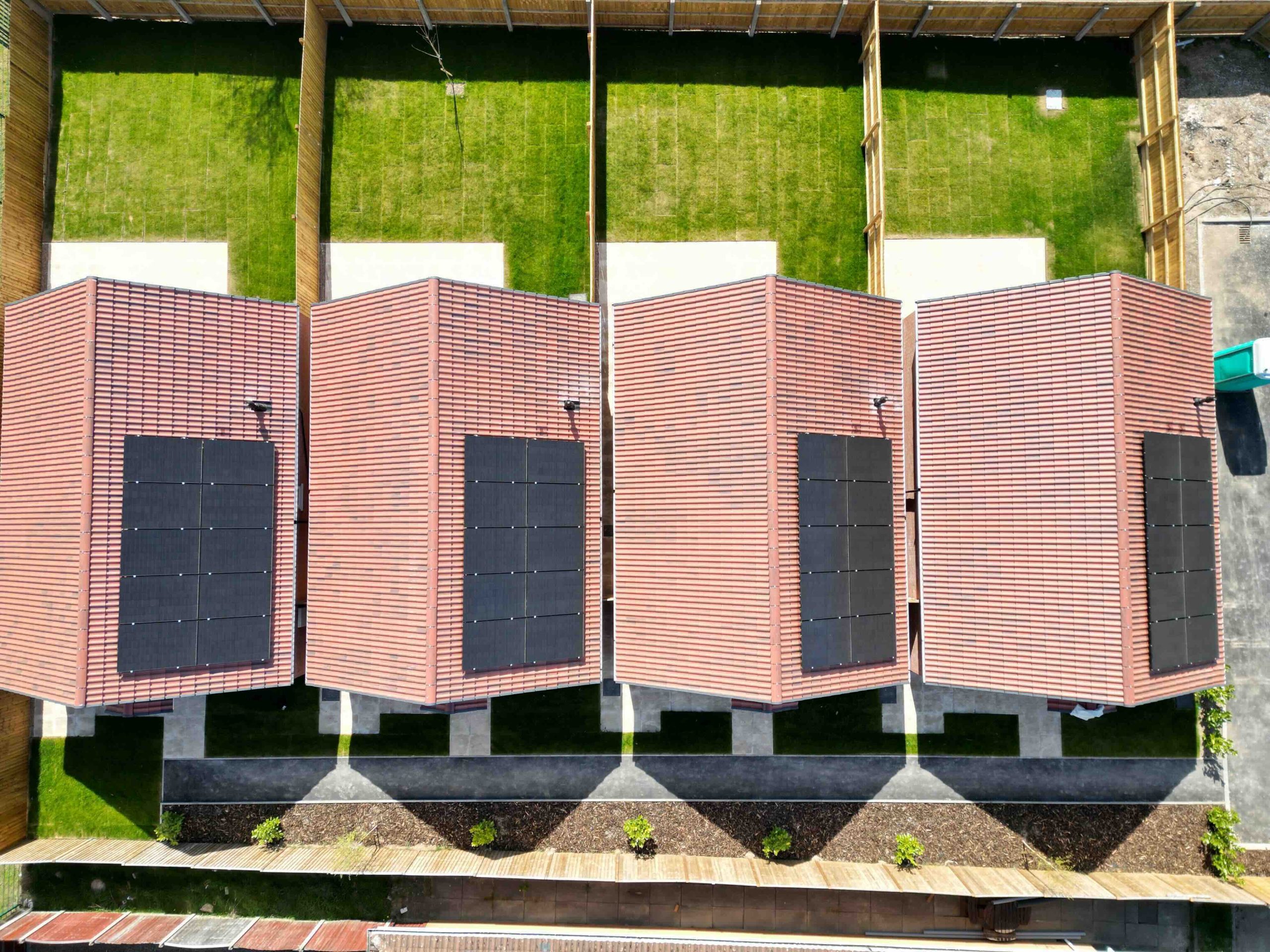
Everything later in the journey consumes electricity; this step is the only one that produces it. An array sized to your roof and a battery sized to your evenings, per our sizing guide and package prices, immediately cuts the unit cost of every kilowatt-hour the future car and heat pump will drink.
The unlock nobody mentions
The battery qualifies the household for the aggressive time-of-use tariffs, Flux and family, whose cheap windows become the fuel price for the rest of the journey, per our time-shifting guide. Build the power station before the appliances.
Step 2: the EV, the easy giant
The electric car is the biggest new load most homes ever add and, paradoxically, the easiest to feed cheaply, because it charges overnight when electricity is at its cheapest and the driveway does not care. A solar-and-battery home slots an EV in almost without friction: an EV-first smart tariff fuels the car for a fraction of daytime rates, the home battery fills in the same cheap window, and on sunny days a diverting charger turns surplus generation into miles. The car also forces the one infrastructure question worth asking early, below. Fuel savings from this step are typically the largest single line in the whole electrification budget, which is why the EV usually comes second rather than last.
Step 3: heat, the big one
Electrifying heat is the deepest step and the one to time rather than rush. Our honest position, argued in full in the solar-or-heat-pump guide: for most homes the heat pump comes after the generating layer, ideally when the old boiler's age forces the decision anyway, fitted by a heating specialist, that side is not our trade, into a house whose electricity is already cheap. Alongside it sit the smaller heat wins that arrive earlier and cheaper: a solar diverter making hot water from surplus generation, and cooling, whose demand happens to land exactly when panels over-deliver.
The infrastructure questions
- Supply capacityA fully electrified home, car, heat pump, cooking, occasionally bumps against a single-phase supply's comfort zone. Most manage fine with smart scheduling; homes planning everything at once should read the three-phase guide and ask the question before designing around the answer.
- Grid registrationsGeneration and storage register with the network operator as they arrive, the G98/G99 framework, handled by installers at each step.
- The smart meterThe whole tariff economy runs on half-hourly metering, per the smart meter guide. Sort it at step 1.
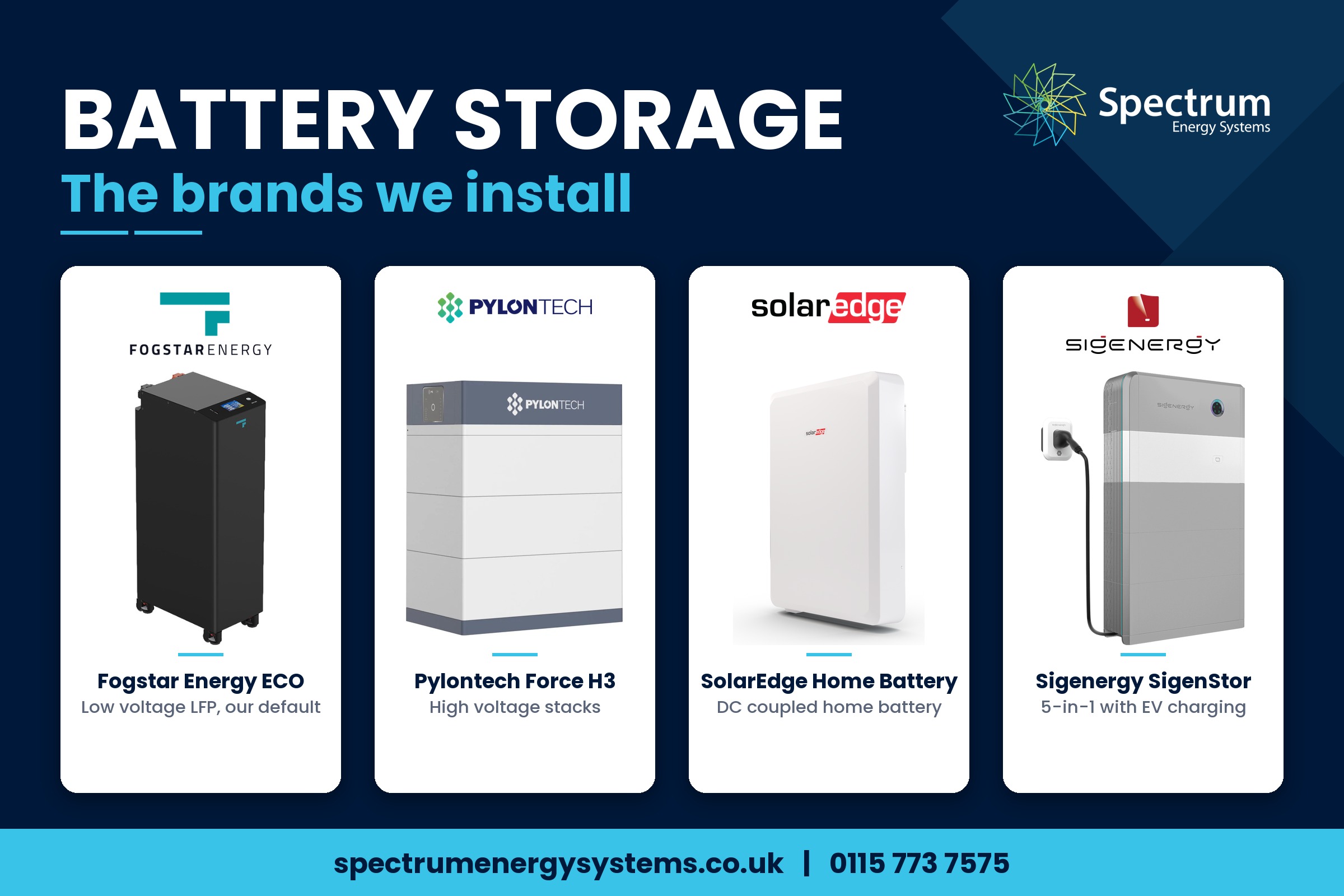
- One design conversationEven staged over years, the steps share wiring, wall space and supply headroom. Telling your step-1 installer the whole ambition, car coming, heat pump someday, costs nothing and prevents rework: hybrid inverter fitted, battery sited with the charger in mind, capacity checked once.
Start the journey where it pays first
Free design and quote: solar and battery designed for the home you have and the all-electric home you are planning, one all-in price. Call 0115 773 7575, 8am to 8pm, Monday to Friday.
Get EstimateFrequently asked questions
What order should I electrify my home in?
Solar and battery first, because they cut the running cost of everything after; the EV second, exploiting the cheap overnight tariffs the battery already justifies; heat pump and hot water when the boiler's age forces the decision, into a house whose electricity is already cheap. Sequence is what keeps the total bill down.
Can a normal house supply cope with going all-electric?
Usually yes: smart scheduling spreads the car, battery and heat pump loads so a single-phase supply copes far better than the raw numbers suggest. Homes planning everything at once, or with large loads, should check the three-phase question early, before designs harden around the answer.
Do I need to do it all at once?
No, staging over years is normal and sensible, and the roadmap is built for it. What pays is telling the first installer the whole ambition, so the inverter, battery siting and supply headroom are chosen once, with the future car and heat pump in mind, rather than reworked at every step.
Is an all-electric home cheaper to run?
Done in sequence, markedly: home generation covers the days, cheap-window charging covers the car and battery, and efficient electric heat replaces bought fuel. Done as a shopping list without the generating layer, it is simply a bigger electricity bill. The order is the saving.
Who installs what on the journey?
We design and install the solar, battery and generating infrastructure at the heart of it. Heat pumps and air conditioning are heating and cooling specialists' trades, and EV chargers pair with the system design. The steps coexist happily; each specialist just needs to know the whole plan.
Related reading
- Solar panel and battery package prices
- Solar panels or heat pump first?
- Intelligent Octopus Go with solar and an EV
- Best solar-compatible EV chargers
- Three-phase power and solar
The foundation layer, done properly
We are Spectrum Energy Systems, MCS certified (NIC200223), building the solar and battery foundation of all-electric homes across the East Midlands since 2011. Call 0115 773 7575, 8am to 8pm, Monday to Friday.
Get in touch