
Farm Diversification: Earning From Solar Exports
Solar earns a farm money three ways, and they pay very differently. Offsetting your own consumption is worth the most per kilowatt-hour, always, because it displaces electricity bought at full price. Exporting surplus earns a genuine but smaller income on top. And leasing your roof or land to a developer swaps both for rent: steady, hands-off, and a fraction of what owning the asset returns. The honest diversification sequence is self-consumption first, export income second, and developer leases only where scale, grid capacity or capital rule out owning it yourself.
In This Guide
The three income routes
| Route | How it pays | Honest value ranking |
|---|---|---|
| Own and consume | Every kilowatt-hour used on site displaces full-price bought electricity | Highest value per unit, always |
| Own and export | Surplus sold to the grid at export rates | Real income, at a fraction of the import rate |
| Lease roof or land | A developer pays rent, owns the kit, keeps the generation value | Lowest return, zero capital and zero involvement |
Most farm systems blend the first two, and the blend is a design decision made from your meter data. The third is a different business altogether, property letting rather than energy, and deserves clear eyes before any heads of terms get signed.
Route 1: own and consume, the anchor
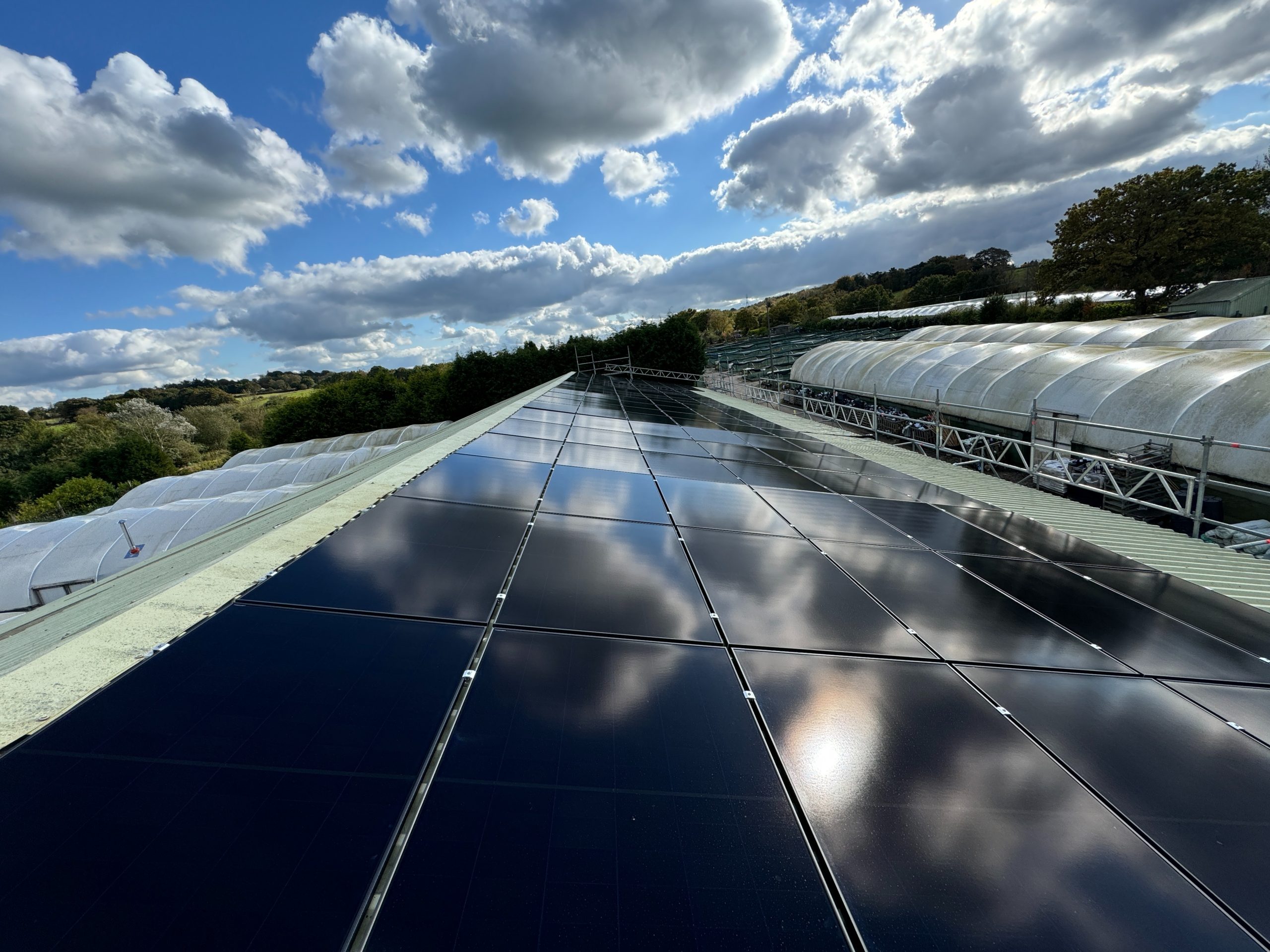
Unfashionable but true: the best-paying kilowatt-hour a farm array produces is the one the farm uses. Displacing bought electricity earns the full import rate, which is several times what any export tariff pays, and it is why every strong farm system starts by sizing against the yard's own loads, dairy plant, refrigeration, drying, ventilation, per the sector guides for poultry and grain stores. The diversification framing matters here: before solar earns the farm new income, it removes an old cost, and the removed cost is the bigger number on most yards. Capital allowances and the rates exemption sweeten the owned routes further.
Route 2: own and export, the income layer
Once the yard's own load is covered, surplus becomes product. Commercial-scale export is contracted through export tariffs or, at larger scale, power purchase arrangements with suppliers, with rates that move with the market, which is why we print the structure here rather than figures that would date. The design questions that decide whether export-led oversizing pays: what the grid connection will accept (below), whether the roof space is effectively free once the install is mobilised (usually yes, extra panels are the cheap part), and how the seasonal generation curve fits the farm calendar. For arable yards especially, spring surplus is a feature, not a bug, if the export side is contracted properly. Where overnight loads run hard, battery storage adds a third lever, shifting generation to the hours it is worth most, on either side of the meter.
Route 3: lease to a developer
Developers lease farm roofs and, more commonly, land parcels for their own arrays, paying rent for decades while keeping the generation. The appeal is honest: no capital, no operation, a stable income line. So are the trade-offs: the rent is a fraction of what the same asset returns owned; the lease binds the title for 25 to 40 years, with everything that means for succession, sales and lending; and the contract detail, decommissioning bonds, access rights, reinstatement, what happens if the developer sells the project on, deserves specialist legal eyes, the same discipline our PPA guide urges on commercial roofs. Leasing fits where the scale is beyond the farm's appetite or the capital is genuinely committed elsewhere; it is the route to compare against owning, never the default.
The grid reality check
Whichever route tempts, the grid connection is the gatekeeper, and on rural networks it is frequently the binding constraint before land, roof or money. Export-led schemes live or die on what the local network will accept: a G99 application or budget enquiry early in the thinking, before design money is spent, tells you whether the yard can export tens of kilowatts, hundreds, or only what a reinforcement bill makes uneconomic. Developer interest in your land runs on the same wire: parcels near capacity-rich substations attract offers, remote ones do not, and knowing your own grid position before a developer knocks is cheap negotiating power. It is the first question we answer on any farm income conversation, and it costs nothing to ask.
Weighing the routes for your holding?
Free farm design and quote: grid position checked first, loads analysed from your meter data, and the own-vs-export-vs-lease numbers laid out honestly, one all-in price plus VAT if you build. Call 0115 773 7575, 8am to 8pm, Monday to Friday.
Get EstimateFrequently asked questions
How much can a farm earn from solar?
It splits three ways: displaced electricity costs (the biggest number on most yards, worth the full import rate per unit), export income on surplus (real but smaller per unit, at market rates that move), and developer rent if you lease instead of own (the smallest return, for zero involvement). The blend depends on your loads and grid capacity, which is what our design establishes from your meter data.
Is it better to own farm solar or lease the roof to a developer?
Owning returns several times what leasing pays, because you keep the generation value rather than collecting rent on it, and capital allowances plus the rates exemption sweeten ownership further. Leasing fits where scale or capital genuinely rule owning out. Compare both with real numbers before signing anything that binds the title for decades.
Can a farm sell all its solar power to the grid?
Technically yes, economically rarely: export rates are a fraction of the import price, so a pure-export array underperforms one sized to displace the farm's own consumption first. Export-led schemes make sense at scale with a strong grid connection and contracted rates, which the G99 enquiry establishes before design money is spent.
What should I check before signing a solar land lease?
The term and its effect on succession, sales and lending; the rent review mechanism; decommissioning bonds and reinstatement obligations; access and cabling rights; and what happens when the developer sells the project on, which most do. Specialist legal advice earns its fee several times over on these contracts.
Does grid capacity limit farm solar income?
Frequently, yes, and before anything else does: rural networks vary enormously in what they will accept, and the connection answer shapes array size, export ambitions and even developer interest in your land. A budget enquiry to the network operator early is the cheapest de-risking step in the whole project.
Related reading
- Agricultural solar: the full guide
- Ground-mounted solar on farmland
- Solar for grain stores and arable farms
- Commercial solar finance: the four routes
- SFI and farm solar funding
Honest numbers before heads of terms
We are Spectrum Energy Systems, MCS certified (NIC200223), designing farm solar across the East Midlands since 2011, with the grid checked and the routes compared before anyone commits. Call 0115 773 7575, 8am to 8pm, Monday to Friday.
Get in touch