
Solar Panels on Listed Buildings: Rules, Tactics and Honest Odds
Solar on a listed building always needs listed building consent, and usually planning permission too: permitted development rights do not apply. Consent is harder than for ordinary homes but far from hopeless, especially for arrays hidden from principal views, outbuildings and ground mounts. The route is a conversation with the conservation officer before any application, not after a refusal.
In This Guide
The rules, precisely
Listing protects a building's special architectural or historic interest, inside and out, and any works affecting that character need listed building consent from the council. Solar panels on the roof of a listed building affect its character by definition in the planners' eyes, so consent is always required, and the permitted development rights that let ordinary homes fit panels without applications simply do not apply. Fitting panels without consent is not a paperwork slip; it is a criminal offence, which is why no reputable installer will touch a listed roof without the consent in hand.
Note the boundary of this article: listed buildings are individually protected structures. Living in a conservation area without a listed home is a different, gentler regime with its own rules, covered in our conservation areas guide. Plenty of people worry they are in the strict category when they are actually in the lenient one, so check your actual status first on the National Heritage List.
What gets approved in practice
Councils vary, and national policy has been nudging them towards supporting sensitive renewable installs. The pattern in real decisions:
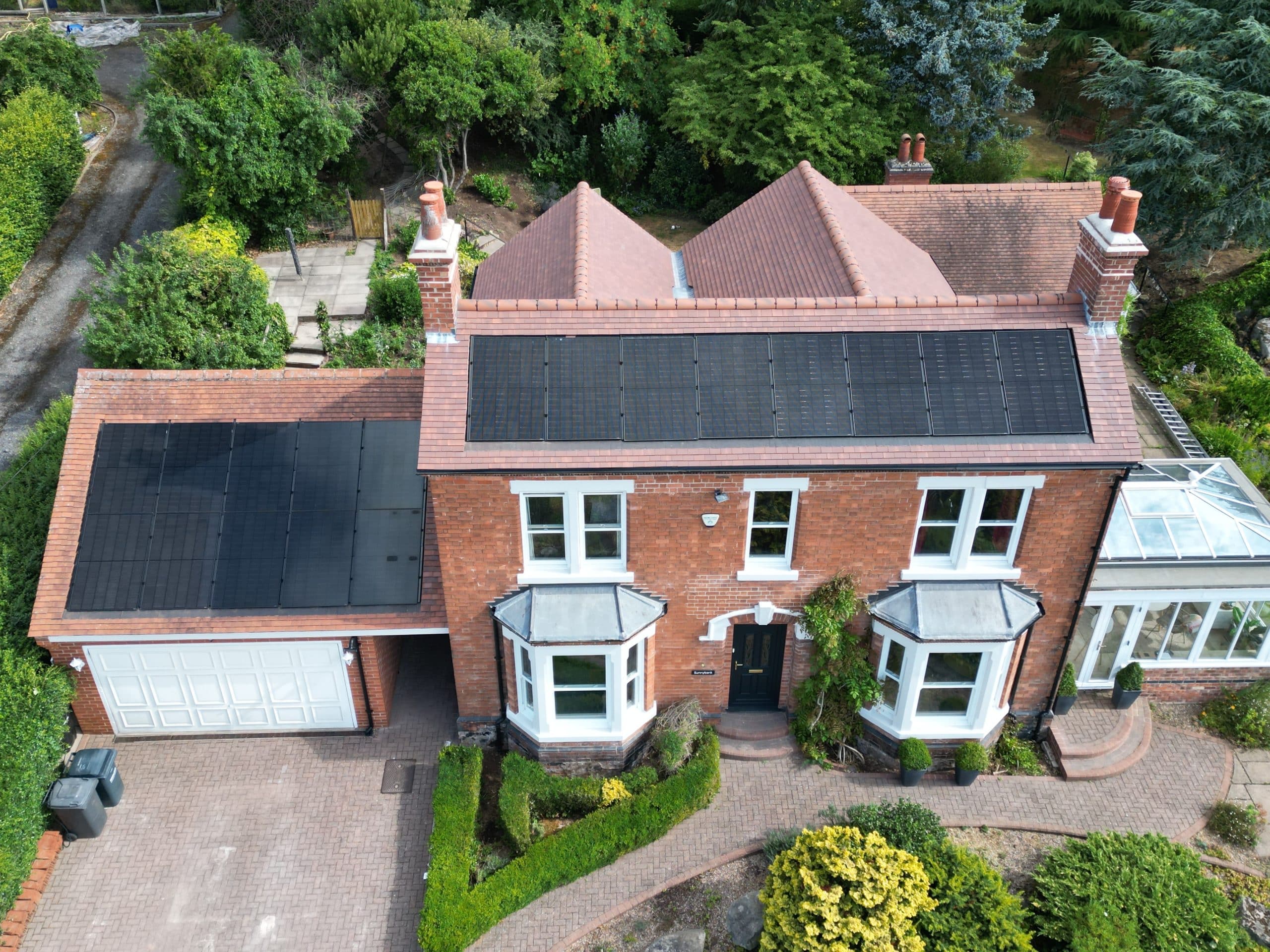
- Hidden roof slopes do bestArrays on rear or valley slopes invisible from the street and principal views win consent regularly.
- Outbuildings beat the main houseA barn, garage or later extension within the curtilage often takes panels a principal elevation never could.
- Ground mounts sidestep the roof entirelyA discreet garden array, screened by planting, protects the building's fabric completely.
- Principal elevations rarely succeedPanels facing the street on a Grade II frontage are the application that earns the refusals this topic is famous for.
Tactics that improve the odds
1. Pre-application advice first
Speak to the conservation officer before applying. They will tell you which slopes, if any, are winnable, and an application shaped by that conversation starts half-approved.
2. Minimise visual and physical impact
All-black panels, no visible trim, cable runs planned to avoid harming fabric, and reversibility emphasised: mounting that can be removed without permanent damage to historic material is a strong card.
3. Argue the heritage case, not just the energy case
Consent balances harm against benefit. Framing solar as part of keeping a historic building viable, heated and occupied speaks the planners' language better than bill savings do.
4. Offer the least sensitive location, even if imperfect
A smaller array on the hidden slope that wins consent beats a perfect south array that gets refused. Output lost to placement can be part-recovered with a battery working the tariff.
If the roof is off limits
A refusal on the main roof is not the end of the project:
- Ground mountOften the strongest listed-building answer of all, sized generously where the roof could not be, per our ground mount guide.
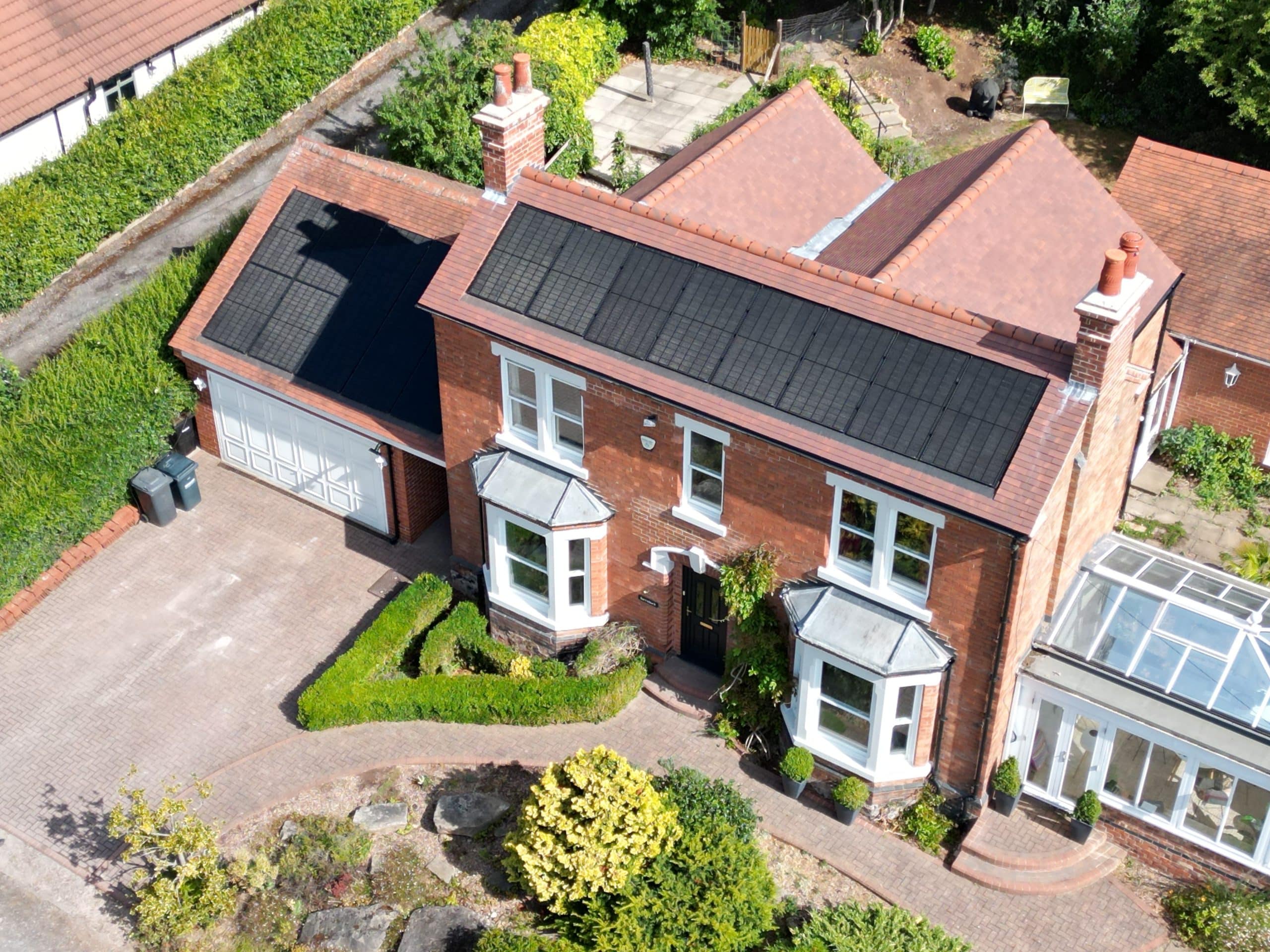
- Outbuilding roofsThe barn or garage array, with the cable run back to the house.
- Solar tiles and slatesThe niche where tile products genuinely earn consideration: some councils will consent a slate-format product on a roof where panels are refused.
- Battery-first setupsCharging cheaply overnight delivers a slice of the bill savings while the consent question grinds on.
Listed home, solar ambitions?
We survey listed and heritage properties, advise on winnable locations before you apply, and install with the reversibility conservation officers want to see. Call 0115 773 7575, 8am to 8pm, Monday to Friday.
Book a feasibility assessmentFrequently asked questions
Can you put solar panels on a listed building?
Yes, with listed building consent, which is always required and never automatic. Approvals favour hidden roof slopes, outbuildings and ground mounts; street-facing arrays on principal elevations are routinely refused. The realistic route starts with the conservation officer's pre-application advice, not with an installer's ladder.
Is fitting solar without listed building consent really an offence?
Yes, a criminal one, unlike ordinary planning breaches, and enforcement can require full removal and reinstatement. It is also why reputable installers refuse listed work without consent in place. The consent process is slower than everyone would like; skipping it is in a different category of mistake.
How do I know if my building is listed?
Check the National Heritage List for England, which records every listed building and its grade. Remember curtilage: outbuildings and boundary structures predating 1948 within the grounds can be covered by the main listing. If you are merely in a conservation area, gentler rules apply instead.
Do councils ever say yes to solar on listed buildings?
Regularly, for well-chosen locations: rear slopes, valleys, outbuildings and gardens. National policy increasingly supports sensitive renewables on heritage buildings, and applications shaped by pre-application advice succeed far more often than cold ones. The refusals cluster around visible principal elevations.
Are solar tiles easier to get approved on a listed roof?
Sometimes. Slate-format solar products preserving the roofscape have won consent where panels were refused, which is the one context where their heavy price premium buys something real. It remains council-by-council, so test the idea in pre-application advice before pricing anything.
What about the inside works, like the inverter and cabling?
Consent covers works affecting historic character inside as well as out, so cable routes, fixing points and equipment locations belong in the application. Reversible, fabric-respecting routing is both the approvable approach and simply the right way to treat an old building.
Related reading
- Solar panels in conservation areas
- Solar panels and planning permission
- Ground mounted solar: the UK guide
- Solar tiles vs solar panels
- Battery time-shifting: the other half of the value
Heritage respected, consent done properly
We are an MCS certified installer (NIC200223) based in Bulwell, Nottingham, and we would rather help you win consent slowly than lose it quickly. Call 0115 773 7575, 8am to 8pm, Monday to Friday.
Get in touch