

Should You Wait to Buy Solar Panels?
Waiting rarely pays. Panel technology improves incrementally, not in leaps, while every year of waiting costs a year of generation, several hundred pounds a typical home never gets back. And there is a hard date in the diary: 0% VAT on domestic installs is scheduled to end on 31 March 2027, after which the same system costs more.
In This Guide
What waiting hopes for
The waiting argument comes in two flavours: prices will fall, or technology will jump. Both contain a grain of truth and a misread of pace.
On prices: the dramatic falls happened over the last decade, when panel costs collapsed and turned solar mainstream. Today's UK install price is mostly labour, scaffolding, mounting, electrical work and certified expertise, none of which follows the cost curve of silicon. Panel hardware keeps drifting cheaper per watt, but hardware is now a minority of the invoice, so even a further hardware fall moves the all-in figure modestly.
On technology: efficiency creeps upward each product generation, and genuinely new approaches like the perovskite work covered in our technology trends guide are real but arrive gradually, first in labs, then premium products, then the mainstream, over years. The panel you can buy today at 25-year warranty quality is not about to be embarrassed by next spring's model.
What waiting actually costs
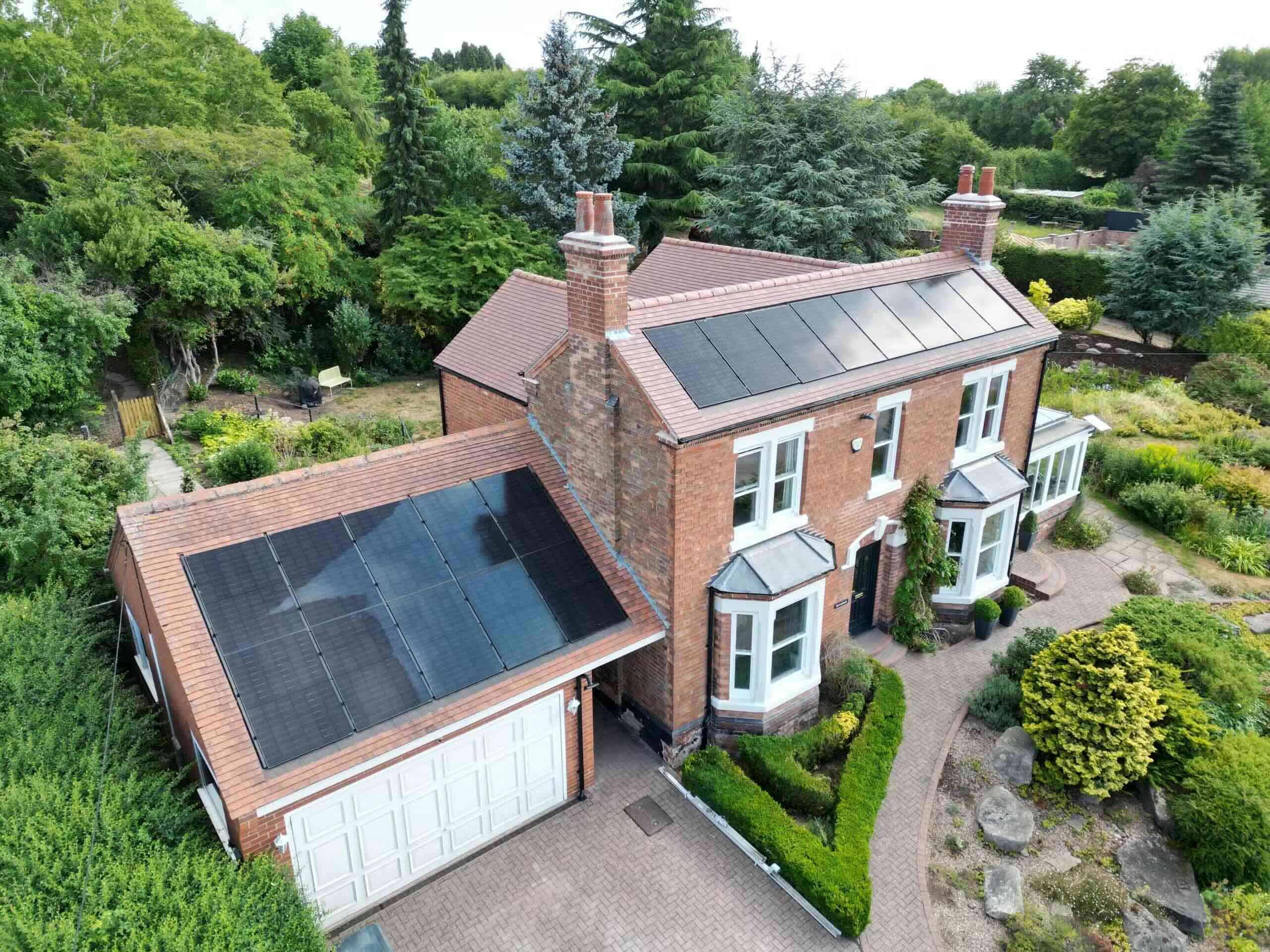
The system in the photo started earning the day it was commissioned. Waiting has a price with three parts:
- A year of generation, goneA typical 5 to 6kWp system with battery offsets and earns on over 5,000 kWh a year. Skip a year and that value simply never existed.
- A year of full-price bills, paidEvery month of waiting is a month bought entirely at grid rates, currently 26.11p per kWh at the Ofgem cap.
- Payback pushed, not improvedCirca 8 year payback starts when the system does. Waiting moves the finish line later without moving it closer.
For a plausible small future price fall to beat a year of lost savings, it would need to be far larger than the drift the market actually delivers.
The date that matters: March 2027
Most wait-or-buy debates trade in vague futures; this one has a published date. The zero rate on energy saving materials is scheduled to end on 31 March 2027, with the 5% reduced rate returning. On a £9,995-class install, that is a three-figure difference for identical kit, in the wrong direction for waiters. Anyone genuinely on the fence should at least price the decision against that calendar, and installers' diaries fill ahead of deadlines, so the practical cut-off lands earlier than the legal one. The mechanics are in our zero VAT guide.
When waiting genuinely makes sense
Honesty requires the exceptions, and they are practical rather than technological:
- The roof is due workRe-roofing in the next couple of years? Do the roof first, or together with in-roof panels, rather than paying to remove and refit.
- You are moving soonPayback assumes you stay to collect it. A move within a year or two complicates the case, though the value question softens this more than people expect.
- The budget is not there without bad borrowingSolar is worth doing and worth doing unstressed. Stretching into unaffordable debt for it inverts the point.
- Major building works are plannedExtensions that change the roofline belong before the panels, not after.
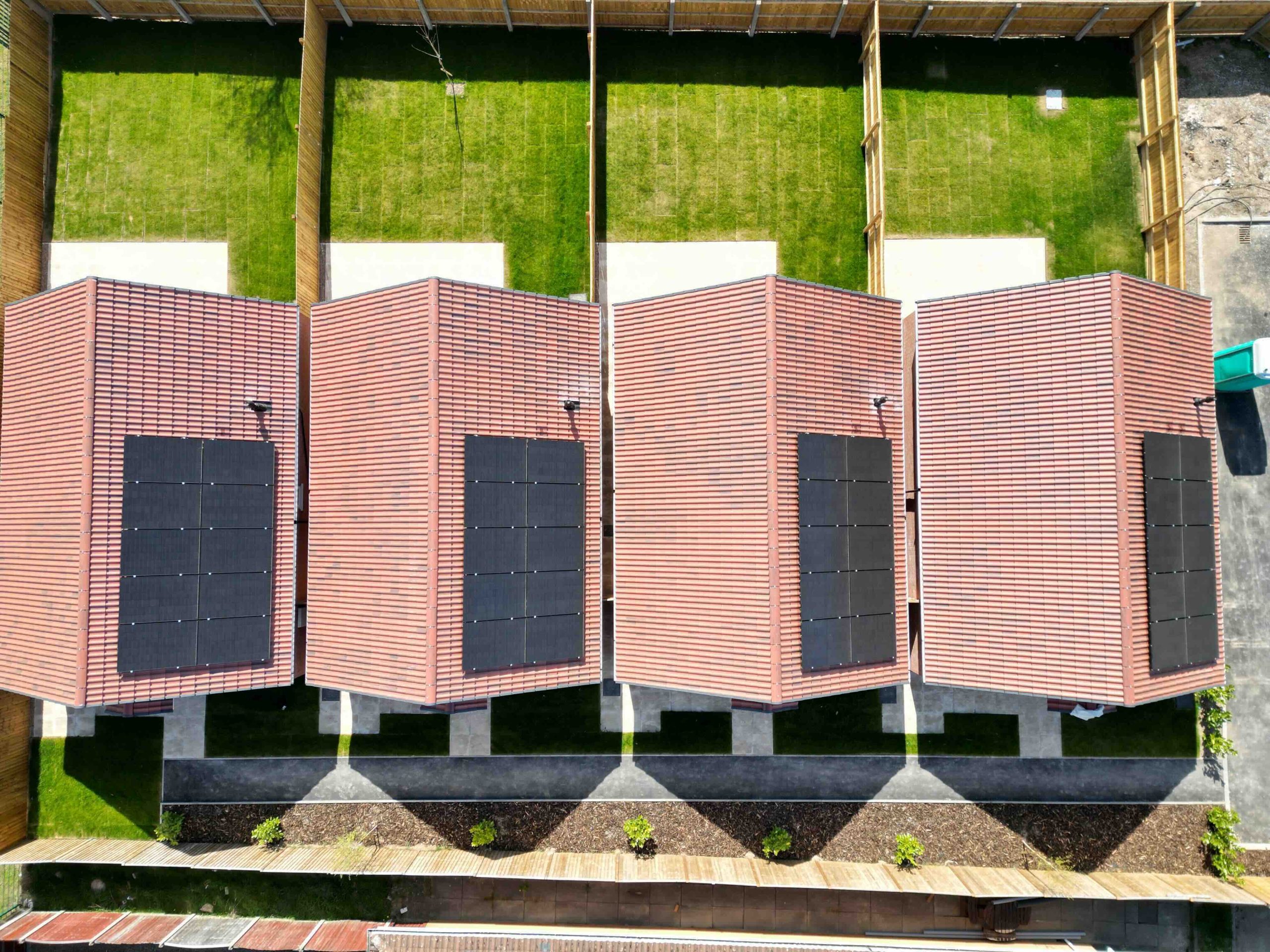
What does not make the list: waiting for the next panel generation. The estate in the photo is not staffed by people who regret missing next year's model.
Price the decision, not the guesswork
A feasibility assessment gives you your actual numbers: system, all-in price with today's 0% VAT, and honest payback. Then wait or buy with real figures on the table. Over 1,000 installs across the East Midlands since 2011. Call 0115 773 7575, 8am to 8pm, Monday to Friday.
Book a feasibility assessmentFrequently asked questions
Will solar panels get cheaper if I wait?
Panel hardware drifts cheaper per watt, but UK install prices are now mostly labour, scaffolding and certified electrical work, which do not fall with silicon. Meanwhile 0% VAT is scheduled to end 31 March 2027, pushing the same install upward. The plausible falls are smaller than a year of lost generation.
Is better solar technology coming soon?
Constantly and incrementally. Efficiency creeps up each product cycle, and next-generation approaches arrive over years, not seasons. Today's Tier 1 panels carry 25-year performance warranties, and nothing on any credible roadmap makes a system bought now regrettable, only very slightly less shiny than 2030's.
What does waiting a year actually cost?
A year of generation on a typical system, over 5,000 kWh offset or exported, plus a year of bills paid entirely at grid rates, plus a payback clock that starts later. Against that, the hoped-for saving from waiting has to be large and certain, and history says it is neither.
Should I wait until after winter to install?
No advantage: systems install year-round, winter installs are commissioned and earning before the strong months arrive, and installer diaries are often kinder in the off-season. Waiting for spring mostly means joining the spring queue with everyone who had the same thought.
What is the deadline for 0% VAT on solar?
The zero rate on domestic solar and battery installations is scheduled to run until 31 March 2027, with a 5% rate returning after. Remember the practical deadline is earlier: installs must complete, not merely be ordered, and diaries compress ahead of a published date.
Are there good reasons to delay solar?
Yes, practical ones: imminent re-roofing, a house move inside a year or two, major building works that change the roof, or a budget that only works with uncomfortable borrowing. Technology anticipation is the one popular reason that does not survive the arithmetic.
Related reading
- Are solar panels worth it in 2026?
- New solar panel technology for 2026
- 0% VAT on solar panels: the rules
- Solar panel and battery package prices
- How much do solar panels cost in the UK in 2026?
Every year on the roof is a year earning
We are an MCS certified installer (NIC200223) based in Bulwell, Nottingham. Honest numbers today beat hopeful numbers someday. Call 0115 773 7575, 8am to 8pm, Monday to Friday.
Get in touch