
Solar on Steel-Frame Barns: The Farm Owner's Guide
In This Guide
Why barns suit solar so well
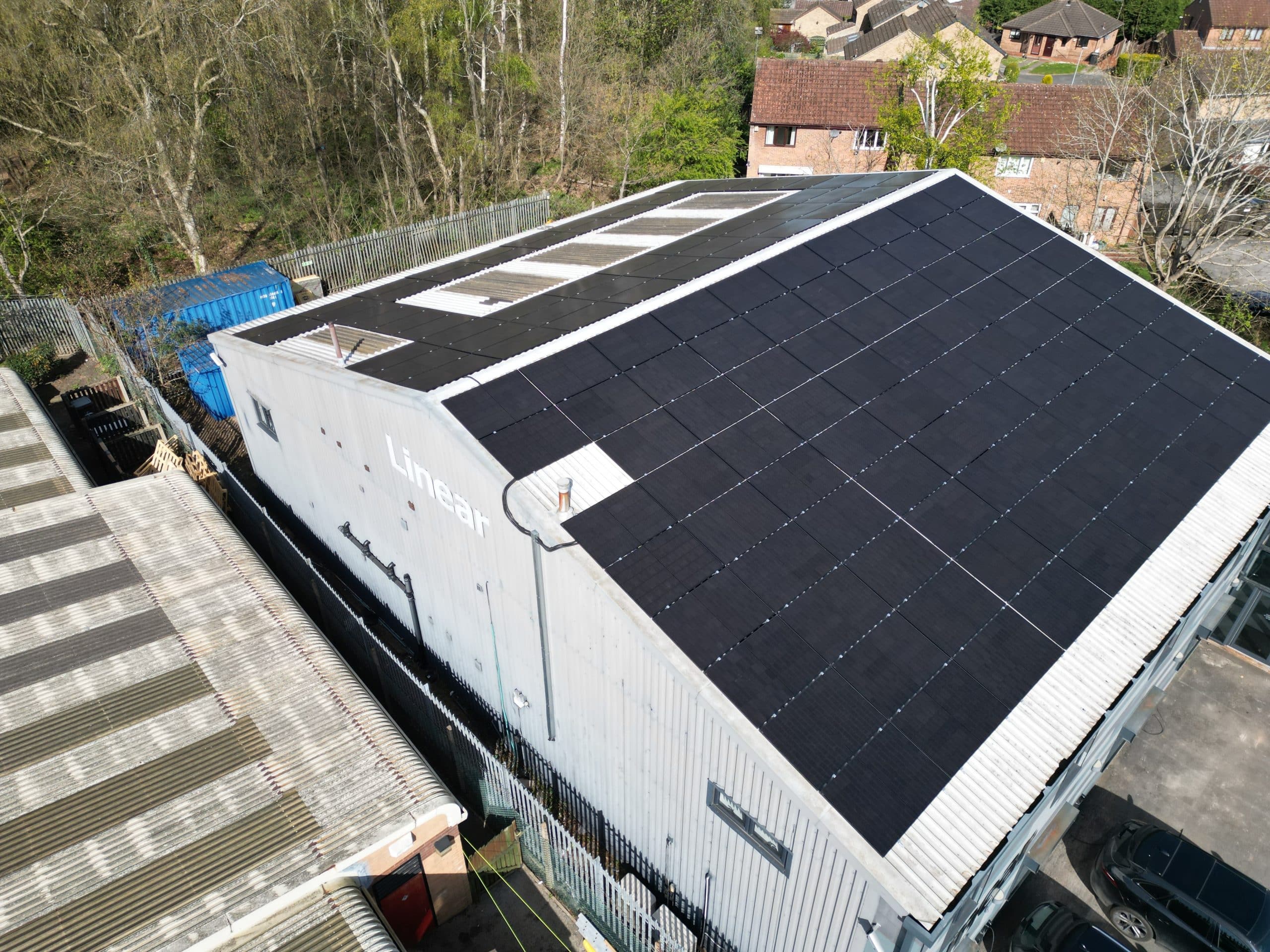
Domestic roofs make solar work around chimneys, velux windows and planning sensitivities. A modern steel portal-frame barn has none of that: hundreds of square metres of clean, single-pitch or duo-pitch roof, usually unshaded because farm buildings stand clear of trees by design, oriented by the yard layout rather than the street, and clad in profiled metal sheet that solar mounting systems were practically invented for. Installs like the ones pictured routinely reach tens or hundreds of kilowatts, sizes a house could never host, at a better cost per kilowatt than domestic work because the access is easier and the roof does not fight back. Our agricultural solar guide covers the whole farm picture; this one goes deep on the building itself.
Fixing to metal roofs, properly
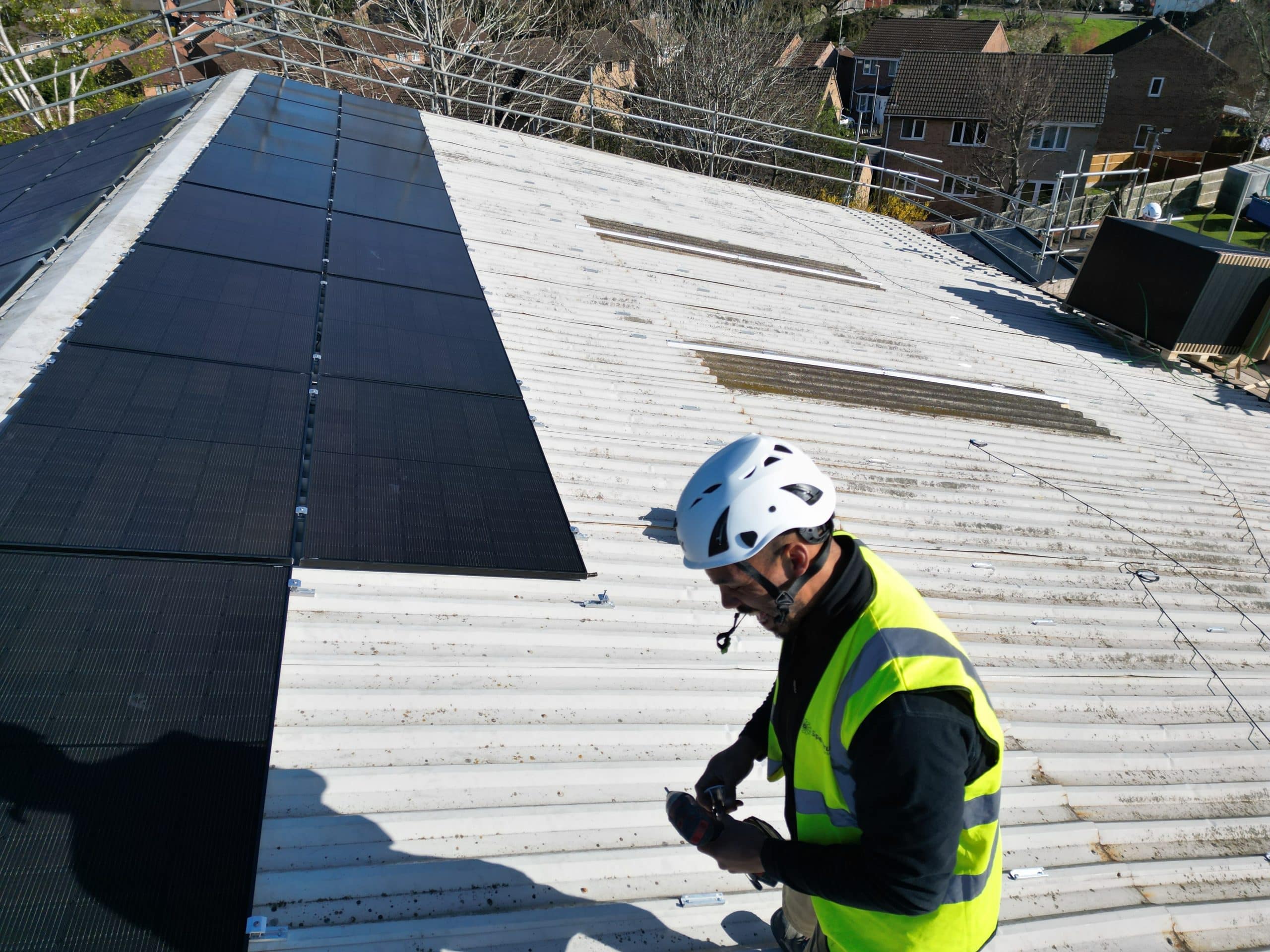
- Trapezoidal sheetThe common case, like the roof pictured: short rails or brackets fix through the sheet's crown into the purlins with sealed fixings, fast, secure, and weathertight when done right. The sealing detail is where cheap installs fail years later.
- Standing seamThe premium case: clamps grip the seams with no roof penetrations at all.
- Fibre cementThe careful case: older sheets are fragile and often pre-date modern fixing systems; survey honesty matters here, and sometimes the answer is a different roof on the holding.
- Condensation and linersFixings must respect the roof's condensation control; an installer who asks about your liner system before quoting is showing their agricultural mileage.
The structural checks
Panels and mounting add a modest distributed load, but agricultural purlins are engineered close to their design loads by economics, and older buildings have decades of alterations behind them. The survey question is not whether panels are heavy, they are not, but whether this specific roof's purlins, spacing and condition carry the addition comfortably within the design margins, including wind uplift, which matters more than dead weight on exposed farm sites. On most portal-frame buildings the answer is a straightforward yes; where it is marginal, the honest options are structural reinforcement, a reduced array, or putting the array on a better building or the ground instead, our ground-mount guide covers that route. What should never happen is an array installed without the question being asked.
Grid, supply and farm loads
Farms are where the electrical side gets interesting:
- Three-phase is common, not universalA three-phase supply allows 11kW-plus under fast-track G98 and supports the big inverters barn arrays want; single-phase holdings need the design tailored or the supply discussed with the DNO.
- G99 approval, earlyBarn-scale arrays usually exceed the fast-track threshold, so the G99 application goes in before anyone orders steel; rural network capacity varies and the answer shapes the design.
- Load matching drives the returnRefrigeration, dairy parlours, grain drying, ventilation: daytime loads that soak up generation are what make farm solar pay, with exports as the topping rather than the plan.
The money side
A barn array is a commercial project and inherits the whole commercial stack: capital allowances against the farm business's profits, the business rates exemption to 2035 where rates apply, payback logic in line with our commercial payback guide when daytime loads are strong, and the finance routes from cash to asset finance. Grant support comes and goes by scheme and round, our SFI and farm funding guide tracks that side, but the core case has stopped depending on it: a big clean roof over a hungry daytime load is simply a good investment on its own arithmetic.