

Adding a Battery to an Existing Solar System: The UK Guide
Almost any existing solar system can have a battery added. The route depends on your inverter: a hybrid inverter accepts a battery directly, while older string-inverter systems take an AC coupled battery alongside. Retrofit batteries currently carry 0% VAT until 31 March 2027, which puts a deadline on a decision many owners have been sitting on.
In This Guide
Why retrofit now
Thousands of UK homes fitted panels a decade ago when batteries were an expensive novelty, and those systems have been exporting their surplus cheaply ever since. Three things have changed the arithmetic. Battery prices per kWh have fallen substantially. Two-rate tariffs turned batteries into year-round earners rather than summer accessories. And the 0% VAT relief was extended to battery-only installations, a saving that is scheduled to end on 31 March 2027.
The two retrofit routes
✓ AC coupled battery
- Works with any existing system, whatever the inverter
- Your panels and their setup stay untouched
- Battery has its own inverter, adding capacity independently
- The default for Feed-in Tariff systems, which stay unmodified
✗ Hybrid inverter swap
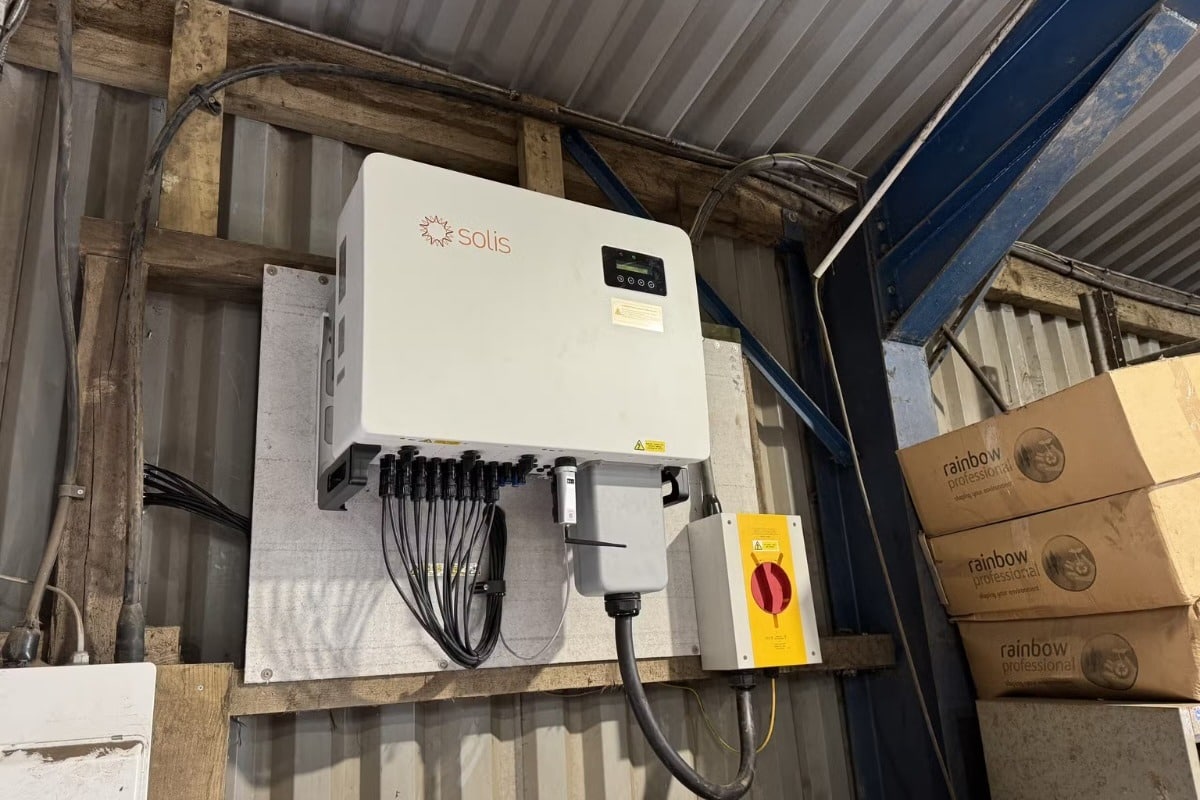
- Replaces your existing inverter with a battery-ready hybrid
- One unit manages panels and battery together efficiently
- Makes most sense when the old inverter is due replacement anyway
- More disruption than AC coupling on a healthy young inverter
Which route fits your system
The decision usually makes itself once we see three things:
- Your inverter's ageString inverters typically want replacing once in a system's life. If yours is a decade old, swapping to a hybrid like the Solis unit pictured kills two birds: battery readiness and a fresh inverter warranty.
- Your inverter's typeAlready got a hybrid from a phased install? The battery bolts straight on, the cheapest retrofit there is.
- Your tariff situationFeed-in Tariff systems point firmly at AC coupling, for reasons covered below.
Sizing the battery for your setup
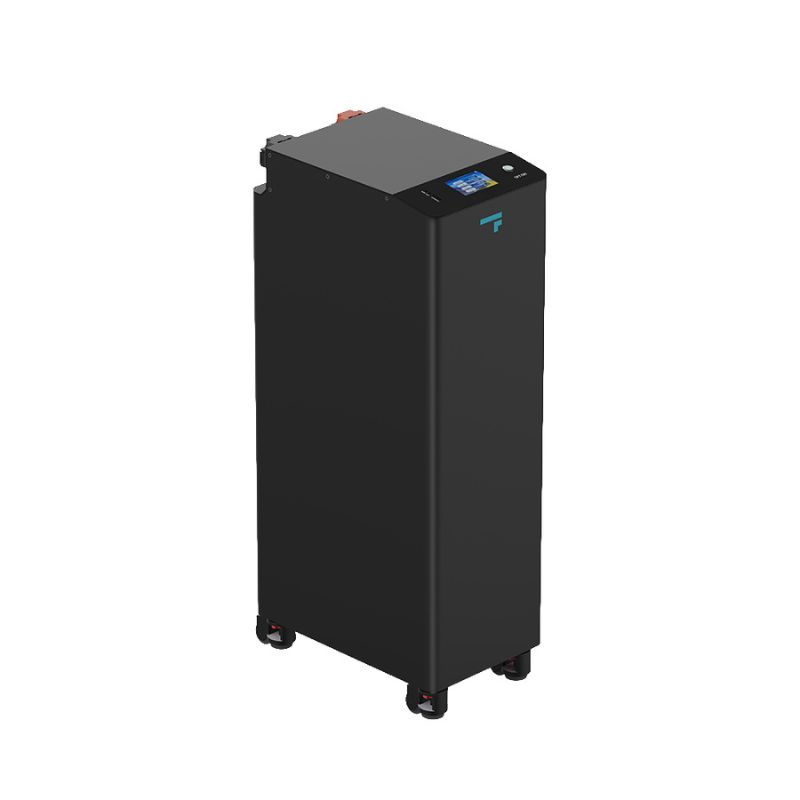
Retrofit sizing follows the same logic as a new install: match the battery to your evening and overnight usage, then check the winter time-shifting case for going a size up. A 10kWh battery suits lighter users; our most fitted 16.1kWh size covers a typical family evening with room for cheap-rate charging through winter. The full working is in our battery sizing guide, and the payback assumptions live in our payback analysis. One retrofit-specific note: your existing array's size matters less than you might think, because on a two-rate tariff the battery earns from cheap overnight charging even on days the panels contribute little.
Paperwork and grid notification
Adding storage is notifiable work: the battery's inverter counts as generation equipment, so your network operator needs informing under the same G98 and G99 framework as the original panels. Smaller setups are notified after connection; larger combined systems need approval first. We handle the paperwork as part of every retrofit, the same way we do on new installs, and our grid connection guide explains the thresholds if you want the detail. The battery's location also matters under current installation guidance, which favours positions like garages and utility areas; we cover placement at survey.
FIT systems: read this first
If your panels earn Feed-in Tariff payments, retrofit carefully. FIT generation payments are based on your system as registered, and modifying the original generator can put payments at risk if done wrongly. The safe, standard route is an AC coupled battery that leaves the registered system untouched, charging from your surplus without altering what the FIT meter sees. Reputable installers will confirm the approach in writing before touching a FIT system; walk away from anyone casual about it. Our battery-or-not guide covers the economics if you are still weighing whether to add storage at all.
Got panels? We can add the battery
We retrofit batteries to systems we fitted and systems we have never seen before, including takeover servicing where your original installer has gone. Survey first, honest sizing, one all-in price with 0% VAT until 31 March 2027. Call 0115 773 7575, 8am to 8pm, 7 days.
Book a feasibility assessmentFrequently asked questions
Can I add a battery to my existing solar panels?
Almost certainly yes. AC coupled batteries work alongside any existing system regardless of inverter type, and hybrid-inverter systems accept a battery directly. The retrofit is typically a one-day job. The questions that shape the quote are your inverter's age and type, your usage pattern and where the battery can live.
How much does it cost to add a battery to solar panels?
It depends on capacity and route, and we price retrofits at survey rather than off a rate card. What helps the sums: retrofit battery installations carry 0% VAT until 31 March 2027, and a battery added to a hybrid inverter costs less than one needing its own AC coupling equipment.
Is it worth adding a battery to old solar panels?
Usually, if the panels are healthy. The battery does not care how old the array is: it stores whatever surplus exists and charges cheaply overnight on a two-rate tariff, which carries winter. Where the system is ailing, fix that first; a battery cannot store what broken panels never generate.
Will adding a battery affect my Feed-in Tariff payments?
Not if done the right way. An AC coupled battery leaves your registered FIT system unmodified, so generation payments continue as before. Modifying the original system itself is where risk lives. Insist on the AC coupled route and written confirmation of the approach on any FIT system.
Do I need to tell anyone I have added a battery?
Yes: your electricity network operator, under the G98 or G99 process depending on combined system size, and it is worth informing your home insurer too. Your installer should handle the network notification as part of the job and give you the paperwork for your records.
Where can a retrofit battery be installed?
Garages, utility rooms and plant areas are the usual homes, with current installation guidance favouring locations away from living and sleeping areas and escape routes. Batteries also prefer stable temperatures. We confirm placement at survey, including cable runs back to your consumer unit and inverter.
Related reading
- How much battery storage do I need?
- Battery time-shifting: the other half of the value
- Solar battery payback time in the UK
- Micro inverters vs string inverters
- 0% VAT on solar and batteries: the rules
Retrofits done properly
We are an MCS certified installer (NIC200223) based in Bulwell, Nottingham. Fogstar batteries, Solis hybrid inverters, and takeover servicing for orphaned systems. Call 0115 773 7575, 8am to 8pm, 7 days.
Get in touch