
Solar Battery Warranties Explained: What the Small Print Means
A solar battery warranty is really three promises wearing one name: a number of years, a limit on how much energy can pass through the cells in that time, and a guaranteed minimum capacity at the end. The years get the headlines; the throughput and capacity clauses decide what you can actually claim. Read all three, check what conditions void the cover, and remember the product warranty only protects you if the company honouring it answers the phone, which is where installer guarantees and UK-based suppliers earn their keep.
In This Guide
The three promises in every warranty
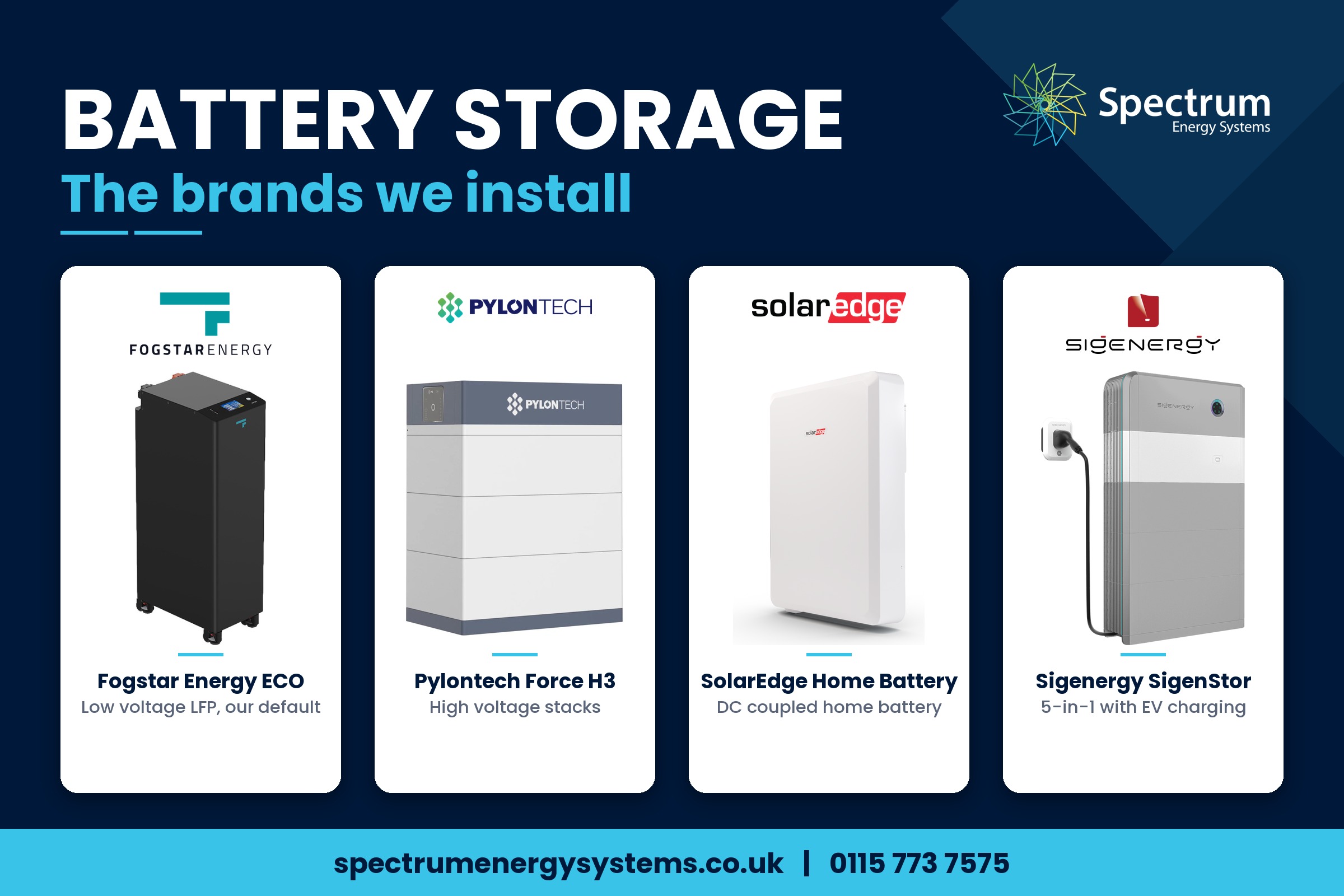
- YearsThe headline number, commonly eight to twelve across the quality end of the market. Fogstar's published cover on the units we fit is 8 years, on cells with a 15-year design life behind them.
- Cycles or throughputThe cap on work done: either a cycle count (the Fogstar cells are rated beyond 3,500) or total energy throughput in megawatt-hours. Whichever you exhaust first, years or work, ends the cover, though home use rarely outpaces the clock.
- Capacity retentionThe promise that at the end of the period the battery still holds some stated percentage of its original capacity. This is the clause claims actually turn on, so it gets its own section below.
The capacity retention clause
Lithium batteries do not fail like kettles; they fade, gradually and predictably, as our lifespan guide covers. Warranties are written around that reality: rather than promising the battery works, they promise it retains at least a stated share of its original capacity, typically somewhere around two-thirds to four-fifths depending on the brand, through the warranty period. Fade faster than the floor and you have a claim; fade slower, which well-treated LiFePO4 units usually do, and the warranty quietly expires unused. The practical reading: a warranty is insurance against abnormal degradation, not a guarantee of showroom capacity for a decade, and no honest brand sells it as one.
What voids battery cover
Warranty documents differ, but the void list is remarkably consistent across brands, and every entry is avoidable:
- Uncertified installationThe big one. Cover typically requires installation by a competent, certified installer, with commissioning done to the manufacturer's process. A bargain DIY install can cost the entire warranty on day one.
- ModificationExtra cells, third-party firmware, home-brew monitoring wired into the management system: all classic void triggers, the same behaviours our safety article warns against.
- Siting outside the specificationBatteries have rated temperature ranges and location requirements; a unit cooked in a loft or soaked in an open yard hands the manufacturer an easy refusal, one more reason the PAS 63100 rules and the datasheet agree with each other.
- Unregistered productsSome brands require warranty registration after commissioning. A good installer does it before leaving; worth confirming rather than assuming.
How the guarantees stack
Your protection is layered, and the layers cover different failures:
- Product warrantyThe manufacturer's promise about the battery itself, the years-cycles-retention package above.
- Workmanship guaranteeThe installer's promise about the install: ours runs 5 years, backed by QANW insurance so it survives even if the installer does not, which our installer-gone-bust guide explains matters more than people think.
- Consumer lawStatutory rights against the seller sit underneath both, independent of any warranty document.
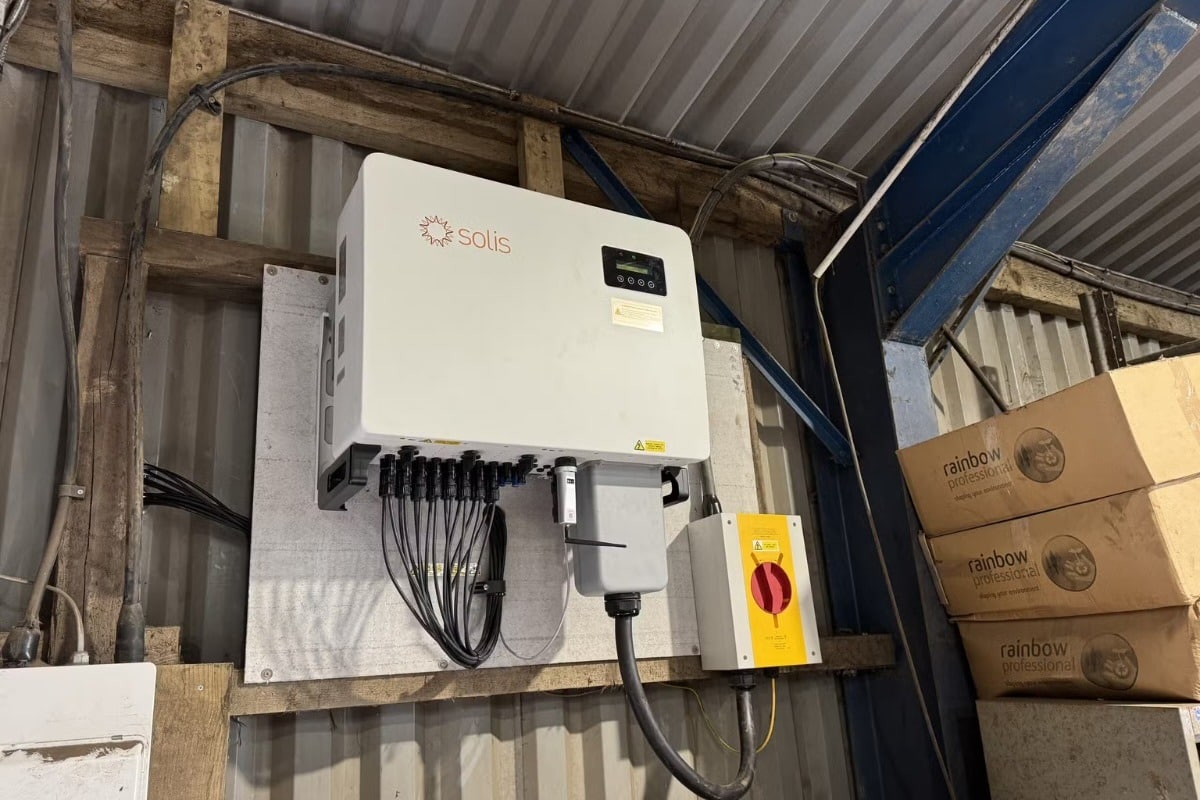
A proper certified install, like the system pictured, is what keeps all three layers intact at once.
Comparing warranties when you buy
When quotes land, compare the warranty terms on the same footing: the years, the throughput or cycle cap, the retention floor, and, the one nobody prints in the brochure, who you would actually call. A twelve-year warranty from a distant manufacturer with no UK presence can be worth less in practice than eight years from a UK-based supplier who answers, which is part of why our kit choices fall as they do in the Fogstar review. And check the panel and inverter cover at the same time, our panel warranty guide covers that side, because the system's weakest warranty is the one you will remember.
Warranties that mean something
Free survey and a quote with every warranty stated plainly: product cover, our 5-year QANW-backed workmanship guarantee, and nothing hiding in small print. Design normally within 2 to 4 days depending on workload. Call 0115 773 7575, 8am to 8pm, Monday to Friday.
Book a feasibility assessmentFrequently asked questions
How long is a solar battery warranty?
Commonly eight to twelve years at the quality end of the market, always paired with a cycle or throughput cap and a capacity retention floor. The Fogstar units we fit carry 8-year cover on cells rated beyond 3,500 cycles with a 15-year design life.
What does a battery warranty actually cover?
Defects and abnormal degradation: if the battery fails outright or fades below the guaranteed retention floor within the period, you have a claim. Normal gradual fade within the promised envelope is expected behaviour, not a fault, which is the distinction the small print exists to draw.
Can a DIY install void a battery warranty?
Routinely, yes. Most manufacturers condition cover on certified installation and correct commissioning, and an uncertified install hands them a clean refusal before any fault is even examined. It also undermines insurance and safety, so it is the worst possible place to save money.
What happens to the warranty if my installer goes bust?
The manufacturer's product warranty survives, it is with the maker, not the installer. The workmanship guarantee is the vulnerable layer, which is why insurance-backed guarantees matter: ours is backed by QANW, so the cover stands independently of us. Always ask who underwrites a workmanship promise.
Do I need to register my battery warranty?
Some brands require registration after commissioning for full cover, and a good installer completes it as part of handover. Check your handover pack for the confirmation, and if it is missing, ask; five minutes of admin protects an eight-year promise.
Related reading
- How long do solar batteries last?
- Solar panel warranties explained
- Fogstar battery review
- When your installer goes bust
- Are home batteries safe?
Cover you can actually claim on
We are Spectrum Energy Systems, MCS certified (NIC200223), installing battery storage across the East Midlands with manufacturer cover kept valid and our own QANW-backed 5-year workmanship guarantee on top. Call 0115 773 7575, 8am to 8pm, Monday to Friday.
Get in touch