Solar Panels for Flats: What Leaseholders Can Actually Do
Owning a flat usually means owning the inside, not the roof, so rooftop solar needs the freeholder or management company on board. That is a paperwork problem with known routes, not a dead end. And since August 2026 there is a genuinely new option: compliant plug-in balcony solar up to 800W, no roof rights required.
In This Guide
Why flats are different
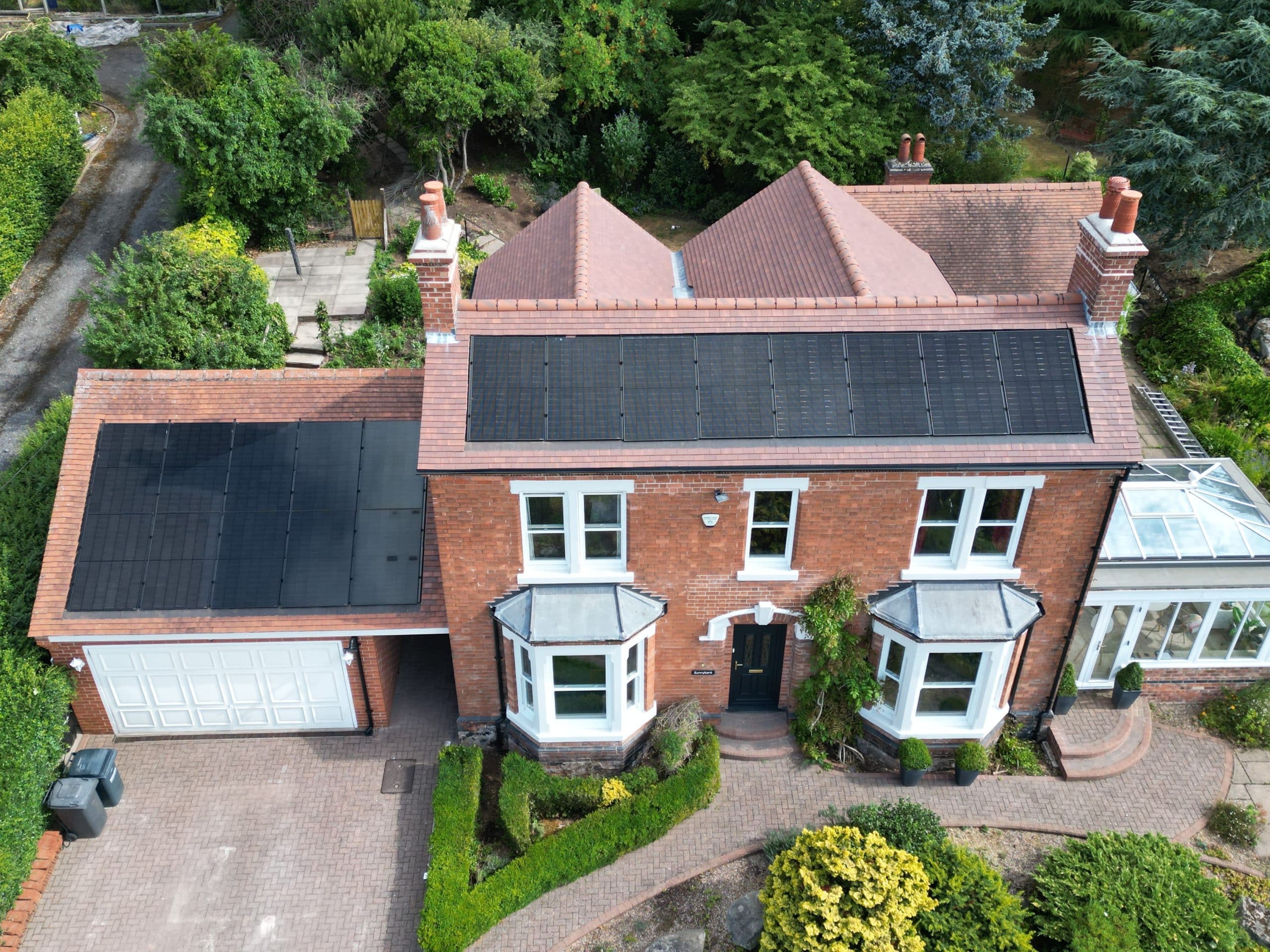
The obstacle is legal, not technical. A leaseholder typically owns everything within the flat's walls while the freeholder or a management company owns the structure, including the roof, and the lease usually forbids alterations to common parts without consent. Bolting panels to a roof you do not own, however sunny it is, breaches the lease. Share-of-freehold buildings move the question rather than removing it: the freehold company, meaning you and your neighbours collectively, still has to agree.
None of this makes solar impossible for flats. It changes who has to say yes, and how the electricity gets shared once it flows.
The four real routes
| Route | How it works | Best for |
|---|---|---|
| Freeholder-approved individual system | You get written consent, panels feed your flat's meter, typically a top-floor arrangement | Small converted buildings, top-floor leaseholders, cooperative freeholders |
| Communal building system | The freeholder or residents' company installs; power offsets communal areas or is shared through the service charge | Blocks with lifts, lighting and communal loads worth offsetting |
| Share-of-freehold collective project | The owners jointly commission the system as a building improvement | Small share-of-freehold buildings where a few neighbours can agree |
| Plug-in balcony solar | A compliant kit up to 800W on your own balcony, plugged into your own socket | Any flat with a decent balcony and no realistic roof route |
Getting a freeholder to yes
1. Read the lease first
Find the alterations clause and what consent it requires. Some leases say consent cannot be unreasonably withheld, which shapes the whole conversation.
2. Bring a professional proposal, not an idea
A freeholder saying yes wants to see certified installers, structural care, insurance and MCS paperwork. A survey-backed design with our credentials attached answers the questions before they are asked.
3. Solve their problem too
Offer what protects them: a licence for alterations, your covenant to maintain, and reinstatement obligations. Freeholders refuse vague requests and consider precise ones.
4. Put communal benefit on the table
A communal system cutting the service charge electricity bill turns the freeholder from gatekeeper into beneficiary, which is why route two often succeeds where route one stalls.
The balcony option, finally legal
For decades the honest answer to most flat owners was "sorry". The 2026 rule changes moved that line: compliant plug-in kits up to 800W can now connect through an ordinary socket, following the wiring regulation changes made in April 2026 and the socket-connection provision from that August. For a flat with a south or west facing balcony, a kit trims daytime usage, running the fridge, router and background load, without touching the roof, the lease, or the freeholder's patience.
Keep expectations honest: an 800W kit is roughly a tenth of a proper roof system, there are generally no export payments without MCS certification, and balcony fixings still need doing safely and, in some buildings, a nod from the management company for anything visible outside. The full picture, including what compliant kits must have, is in our plug-in solar guide.
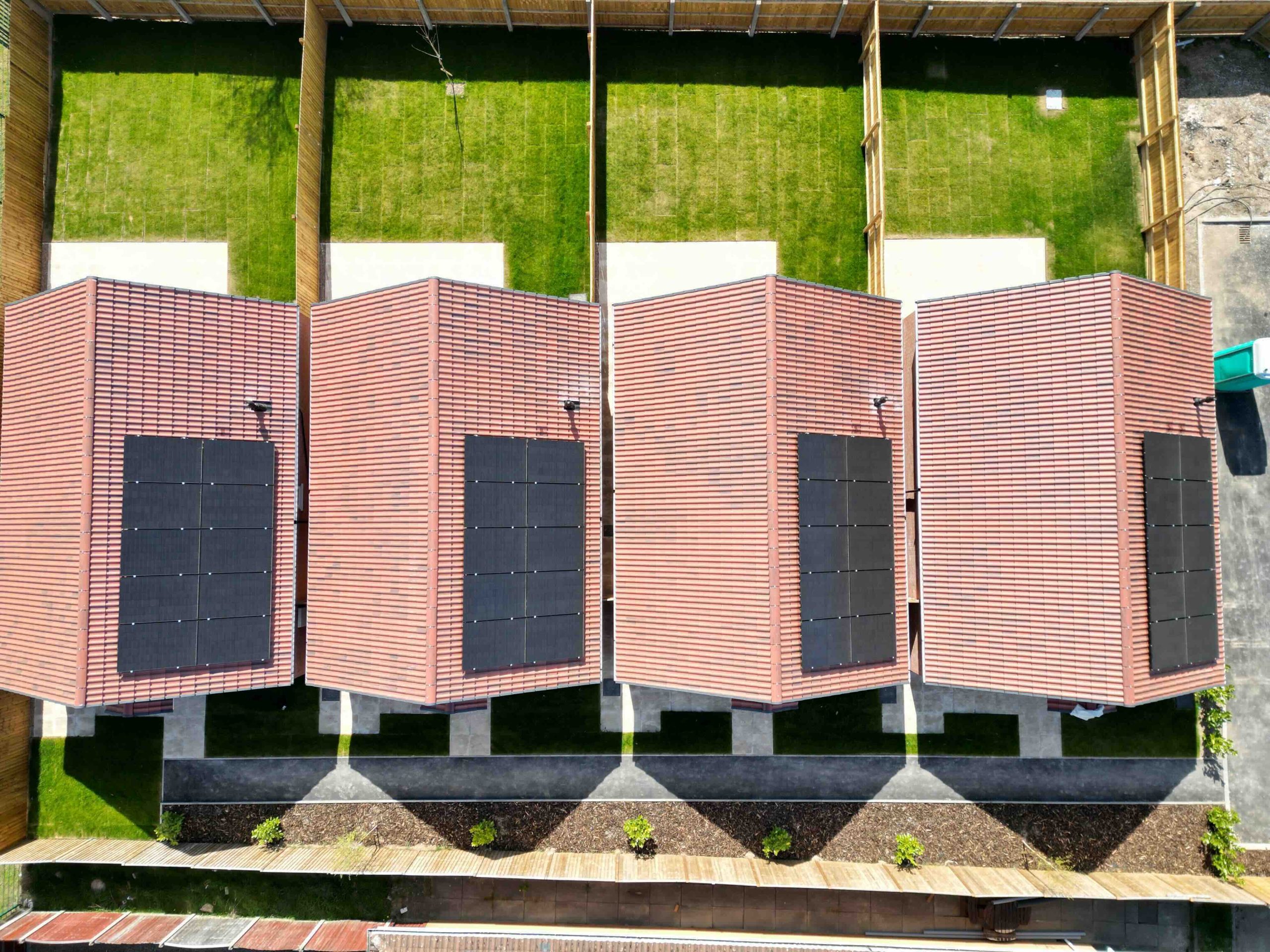
One more honest note for buyers: if you are flat-hunting with solar ambitions, the questions to ask are about the lease and the freeholder, not the roof. A cooperative residents' management company is worth more than a perfect south-facing slope with an absent freeholder behind it. And if you are a freeholder or block manager reading this, communal solar on a well-oriented block is increasingly the easy yes: the roof earns, the service charge falls, and the EPC story improves across every flat at once.
Freeholder, block manager, or determined leaseholder?
We survey shared buildings, produce the consent-ready proposals freeholders actually approve, and install communal and individual systems across the East Midlands. Call 0115 773 7575, 8am to 8pm, Monday to Friday.
Book a feasibility assessmentFrequently asked questions
Can I put solar panels on my flat?
Not unilaterally: the roof belongs to the freeholder or management company, and leases require consent for alterations to common parts. With consent, top-floor and small-building installs happen regularly. Without a roof route, a compliant plug-in balcony kit up to 800W is now a legal alternative.
Who owns the roof of a leasehold flat?
Almost always the freeholder or a management company, even for the top-floor flat directly beneath it. Share-of-freehold buildings own it collectively. Your lease states the position precisely, and reading its alterations clause is the genuine first step of any flat solar project.
Can our block install communal solar panels?
Yes, and it is often the strongest route: the freeholder or residents' company commissions the system, generation offsets communal electricity like lifts and lighting, and every leaseholder benefits through the service charge. Blocks with decent roofs and real communal loads see the best case.
Is balcony solar worth it for a flat?
For a sunny balcony and no roof route, genuinely yes at the right expectations: a compliant 800W kit trims daytime consumption for a few hundred pounds of outlay, with payback of circa 4 years. It is a tenth of a roof system, not a substitute for one, and generally earns no export payments.
Does a freeholder have to allow solar panels?
No, consent is theirs to give, though some leases require that it not be unreasonably withheld. What moves freeholders in practice is a precise, professionally backed proposal covering structure, insurance, maintenance and reinstatement. Vague requests get vague refusals; complete ones get considered.
Who gets the export payments on a communal system?
Whoever holds the supply the system feeds, usually the communal meter account, so export income and savings land in the service charge accounts for everyone's benefit. Individual arrangements differ where a system feeds one flat, which is a design decision to settle before installation, not after.
Related reading
- Plug-in solar panels: legal, safe, worth it?
- Do solar panels improve your EPC rating?
- Solar for housing associations and MEES
- Solar panels and planning permission
- What is MCS certification and why it matters
Shared buildings, done properly
We are an MCS certified installer (NIC200223) based in Bulwell, Nottingham, handling the paperwork side of shared-building solar as carefully as the roof side. Call 0115 773 7575, 8am to 8pm, Monday to Friday.
Get in touch