How Solar Panels Fit into a Smart Home System
Modern solar installations do far more than generate electricity—they integrate seamlessly with smart home technology to optimise energy use, automate consumption, and maximise self-sufficiency. For UK homeowners already embracing home automation, solar panels represent the natural next step toward intelligent energy independence.
This guide explores how solar panels connect with smart home ecosystems, from real-time monitoring apps to automated load shifting, battery storage integration, and EV charging coordination.
Contents
- Why Solar and Smart Homes Work Together
- Understanding Smart Home Solar Integration
- Real-Time Solar Monitoring and Control
- Automated Energy Management
- Smart Battery Storage Integration
- EV Charging Integration with Solar
- Smart Home Devices That Enhance Solar
- Tariff Optimisation with Smart Solar
- Installation and Compatibility Considerations
- Data Security and Privacy
- Frequently Asked Questions
Why Solar and Smart Homes Work Together
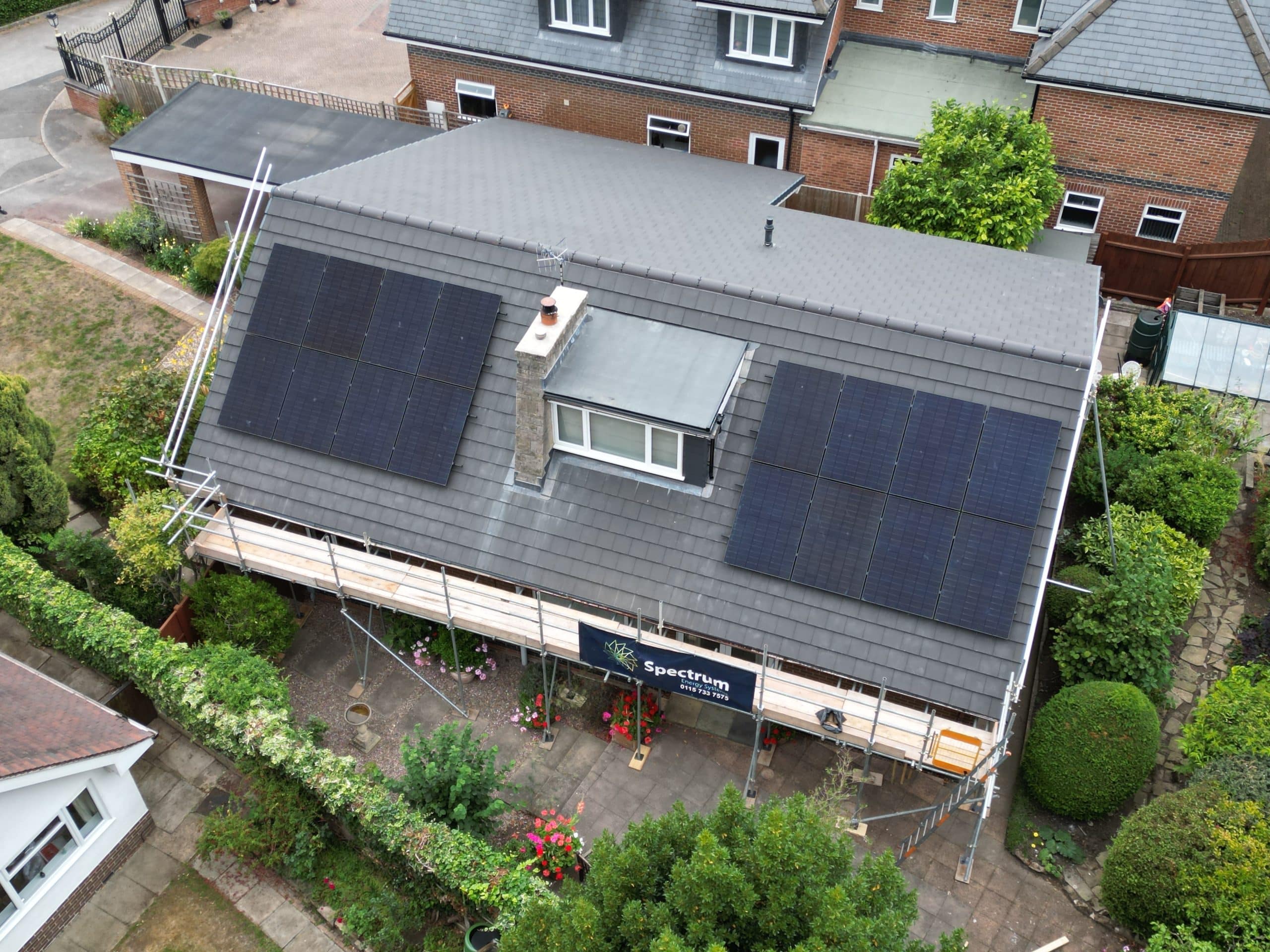
The combination of solar panels and smart home technology creates a synergy that neither achieves alone. Solar provides clean electricity during daylight hours, whilst smart systems ensure that energy gets used efficiently rather than simply exported to the grid. For homeowners exploring solar panels smart home UK solutions, this integration represents the future of smart home renewable energy.
Key benefits of smart home solar integration include automated energy optimisation that shifts consumption to peak generation periods, real-time monitoring providing complete visibility of energy flows, maximised self-consumption reducing grid dependence, and enhanced system performance through intelligent management. Home automation solar panels work together to create a truly smart solar system UK homeowners can control from anywhere.
For households across Nottinghamshire, Derbyshire, Leicestershire, and Lincolnshire, smart solar integration maximises the benefits of your solar system. Our homeowners guide to solar panels covers the fundamentals before exploring these advanced capabilities.
Understanding Smart Home Solar Integration
A "smart" solar system combines traditional photovoltaic generation with WiFi-enabled monitoring, cloud-based analytics, and app-controlled management. Unlike basic installations that simply generate power, IoT solar panels provide complete visibility and control over energy production and consumption through solar panel WiFi monitoring technology.
Core Components of Smart Solar Systems
Smart inverters form the heart of intelligent solar systems, converting DC power from panels whilst communicating performance data to monitoring platforms. Solar inverter smart home integration from manufacturers like GivEnergy, SolarEdge, and Enphase includes built-in WiFi connectivity and sophisticated monitoring capabilities.
Home Energy Management Systems (HEMS) coordinate multiple devices—solar, batteries, EV chargers, and appliances—to optimise overall energy efficiency. Smart home energy management solar technology analyses consumption patterns and generation data to make intelligent decisions about when devices should operate.
Smart meters and solar panels work together to provide the data backbone, measuring electricity imports, exports, and consumption in near real-time. This granular data enables tariff optimisation and accurate performance tracking—essential for maximising solar incentives and Smart Export Guarantee benefits.
Ready for Smart Solar Integration?
Our MCS-accredited team designs intelligent solar systems tailored to your smart home setup and energy goals
Get Your Free Assessment Contact Our TeamReal-Time Solar Monitoring and Control
Solar monitoring apps have transformed how homeowners interact with their solar systems. Rather than wondering whether panels are performing correctly, monitoring apps provide instant access to live generation data, consumption versus production comparisons, and historical performance analysis.
Desktop portals offer deeper analytics for those wanting comprehensive insights—system health alerts, performance comparisons against expected output, and detailed export tracking. Smart notifications alert you to generation milestones, potential system faults, and opportunities to use excess solar before it exports.
This visibility proves particularly valuable for understanding energy patterns and identifying optimisation opportunities. Many homeowners discover through monitoring that simple behaviour changes—running the dishwasher mid-afternoon rather than evening—significantly improve self-consumption rates.
Automated Energy Management
Intelligent load shifting represents one of the most impactful smart solar features. Rather than manually timing appliance use, automated systems run washing machines, dishwashers, and tumble dryers when solar generation exceeds household demand.
Weather-forecast integration takes automation further—systems anticipate sunny periods and schedule high-consumption tasks accordingly. Some platforms integrate with weather APIs to predict generation hours in advance, enabling sophisticated energy planning.
Home Energy Management Systems coordinate these activities across multiple devices. AI-powered optimisation learns household patterns and adjusts automatically, with automated energy management solar technology maximising utilisation without requiring constant user intervention. The result is typically improved self-consumption compared to manual management, with some households seeing meaningful gains depending on their usage patterns and system configuration.
Smart Battery Storage Integration
Battery storage systems become significantly more valuable when integrated with smart controls. A solar battery smart home setup enables automated charging that captures excess solar during peak generation, whilst home battery storage automation manages evening consumption without grid imports.
Time-of-use tariff optimisation allows batteries to charge during off-peak overnight periods when solar isn't generating, then discharge during peak demand times. For households on tariffs like Octopus Agile, this strategy maximises the benefit of time-based tariff structures.
Backup power automation ensures seamless response to grid outages—batteries detect supply interruption and switch to backup mode within milliseconds. Critical load prioritisation means essential circuits (refrigeration, internet, lighting) receive power first, with reserve levels configurable through apps. Learn more about battery storage efficiency and how intelligent management maximises performance.
Self-Consumption Impact: Smart battery integration typically increases self-consumption from 30-40% (solar only) to 70-80% or higher. This translates directly to reduced grid imports, though actual results depend on household consumption patterns and system sizing.
EV Charging Integration with Solar
Electric vehicle owners gain particularly from solar EV charging smart home setups. Smart EV chargers like Zappi, Ohme, and Wallbox offer solar-aware charging modes that prioritise your own solar electricity over grid imports.
Excess solar diversion ensures that surplus generation charges your vehicle rather than being exported. For many households, this effectively provides solar-powered commuting—panels generate whilst you work, and your car charges ready for the journey home.
Optimised charging schedules balance solar availability with tariff structures and journey requirements. Smart chargers integrate with calendar apps to ensure sufficient charge for planned trips whilst still maximising solar utilisation.
Smart Home Devices That Enhance Solar
Beyond major systems, everyday smart devices contribute to solar optimisation. Smart plugs solar optimisation enables solar-triggered operation of any appliance—pool pumps, dehumidifiers, or space heaters can activate automatically when excess generation is available.
Voice control integration depends on your chosen equipment. GivEnergy systems offer native Amazon Alexa support, allowing voice queries about generation, battery status, and consumption. Other brands like SolarEdge and Enphase can integrate with voice assistants through platforms like Home Assistant, though this requires additional configuration. Some integrations allow voice-activated device control—"Alexa, turn on the immersion heater" when monitoring shows surplus solar.
Smart thermostats with solar from Nest, Hive, or Tado can coordinate with your system for intelligent heating. Running heat pumps during peak solar generation maximises self-consumption whilst maintaining comfort. Immersion heater diverters automatically route excess electricity to hot water, capturing energy that would otherwise export.
Tariff Optimisation with Smart Solar
Time-of-use tariffs transform energy management for smart solar homes. Agile Octopus and similar products offer dynamic tariff structures that change every 30 minutes—smart systems respond automatically, importing during off-peak periods and reducing consumption during peak demand times.
Smart Export Guarantee optimisation ensures you maximise the benefit of exported electricity. Automated systems make intelligent decisions about whether to store, use, or export surplus generation based on your household patterns and tariff structure.
As energy markets evolve toward dynamic pricing, smart solar systems position homeowners to benefit from future developments—including potential participation in grid balancing services and virtual power plant schemes.
Installation and Compatibility Considerations
New Installations
- Specify smart-compatible inverters
- Include monitoring from day one
- Plan WiFi coverage for equipment locations
- Consider future battery/EV integration
Retrofitting Existing Systems
- Assess current inverter capabilities
- Add monitoring hardware where needed
- Integrate with existing smart home platforms
- Upgrade components as necessary
Professional installation by MCS-certified installers ensures proper system configuration, integration testing, and optimal network connectivity. Our experienced team has installed smart solar systems across the East Midlands since 2011, configuring everything from basic monitoring to complex multi-device integrations.
WiFi reliability matters for consistent monitoring—equipment typically needs stable 2.4GHz connectivity. For outbuildings or locations with weak signal, powerline adapters or dedicated access points ensure reliable communication. Most systems continue operating during brief outages, syncing data once connectivity returns.
Data Security and Privacy
Smart solar systems collect detailed energy data, raising legitimate privacy questions. Reputable manufacturers implement encryption standards and clear data policies—review these before installation. Most platforms offer local monitoring options for privacy-conscious households, though this limits some remote features.
Regular firmware updates maintain security against emerging threats. Smart systems should include automatic update capabilities or clear notification when manual updates are required. Network security best practices—strong passwords, separate IoT networks—apply equally to solar monitoring equipment.
Frequently Asked Questions
Smart Solar Integration: The Future of Home Energy
Smart home solar integration represents the natural evolution of both renewable energy and home automation. The combination delivers more than the sum of its parts—automated optimisation, enhanced visibility, and intelligent control maximise the performance of your solar system whilst simplifying daily energy management.
For UK homeowners across Nottinghamshire, Derbyshire, Leicestershire, and Lincolnshire, smart solar offers a compelling path toward energy independence. Whether upgrading existing panels or planning a new installation, intelligent integration ensures you maximise the benefit of every kilowatt-hour generated.
Ready to explore smart solar for your home? Our comprehensive guide to installing solar PV covers the complete process, or request a free assessment to discuss your specific requirements with our MCS-accredited team.
Start Your Smart Solar Journey
From initial consultation to ongoing monitoring, we deliver intelligent solar solutions that integrate seamlessly with your smart home
Get Your Free Quote Speak to an Expert