
How much electricity does a solar panel produce in the UK? Understanding solar panel yield is essential for planning system size and making informed decisions about your energy needs. A typical residential solar panel produces between 250-400 kWh per year—but actual output depends on several factors specific to your property.
This guide explains exactly how PV panel output works, the solar panel energy production factors UK homeowners need to consider, and how to estimate your potential household solar energy production.
Understanding Solar Panel Output
Wattage vs kWh: What's the Difference?
Understanding solar panel wattage vs kWh in the UK is fundamental to estimating your system's output. Solar panels are rated in watts (W), which measures their maximum power output under ideal laboratory conditions. A 400W panel can produce 400 watts of power at peak performance. However, real-world output is measured in kilowatt-hours (kWh)—the actual electricity generated over time.
To convert panel wattage to kWh, you need to account for daily sunlight hours and system efficiency. The UK receives approximately 2.5-3.5 peak sun hours daily on average, varying significantly by season and location. Learn more about how solar panel efficiency affects output.
Average Daily and Annual kWh Output
The daily kWh from a solar panel in the UK varies significantly by season—from around 0.5 kWh in December to over 1.5 kWh in June for a typical 400W panel. Here's what you can typically expect from different panel sizes across a full year:
| Panel Wattage | Daily Average | Monthly Average | Annual Output |
|---|---|---|---|
| 300W | 0.7-0.9 kWh | 22-28 kWh | 250-320 kWh |
| 350W | 0.8-1.1 kWh | 26-34 kWh | 300-380 kWh |
| 400W | 0.9-1.3 kWh | 30-40 kWh | 340-450 kWh |
| 450W | 1.0-1.4 kWh | 34-45 kWh | 380-500 kWh |
These figures assume south-facing installation at optimal tilt. East or west-facing panels typically produce 15-20% less. Discover how different solar panel types affect your potential output.
Factors Affecting PV Panel Electricity Production
Orientation and Tilt of Panels
Roof-mounted solar panel electricity generation depends heavily on orientation. South-facing panels capture maximum sunlight throughout the day, whilst east-facing arrays perform better in mornings and west-facing in afternoons. The optimal tilt angle for UK installations is typically 30-40° from horizontal.
Our expert solar fitting service includes detailed site assessment to determine optimal panel positioning for your specific property.
Shading and Obstructions
Even partial shading from trees, chimneys, or neighbouring buildings can significantly reduce output. A shadow covering just 10% of a panel can reduce its output by 30-50% in traditional string inverter systems. Microinverters or power optimisers help mitigate shading losses by allowing each panel to operate independently.
Panel Efficiency and Technology
Solar panel efficiency and kWh output in the UK are directly linked—higher efficiency panels generate more electricity from the same amount of sunlight. Modern monocrystalline panels typically achieve 19-23% efficiency, converting more sunlight into electricity per square metre than older technologies. Higher efficiency panels generate more kWh from the same roof space—particularly valuable for properties with limited installation area.
System Size Examples: Annual solar panel energy production in the UK depends on system size. A 4kW domestic system (10 × 400W panels) typically generates 3,400-4,200 kWh annually. A 10kW system produces 8,500-10,500 kWh, whilst commercial installations of 50kW+ can generate 42,500-52,500 kWh per year.
Calculating Your PV Panel Output in kWh

Using a Solar Estimation Formula
While a dedicated solar PV system output calculator can help UK homeowners estimate generation, you can also use this simple formula:
Solar Output Calculation
Annual kWh = Panel Wattage × Peak Sun Hours × 365 × System Efficiency
Example for a 400W panel in the East Midlands:
400W × 2.7 hours × 365 days × 0.85 efficiency = 335 kWh/year
System efficiency factor (0.75-0.85) accounts for inverter losses, cable losses, and real-world conditions.
For accurate estimates tailored to your property, our comprehensive solar PV guide explains the full assessment process, or request a free site survey for personalised calculations.
Typical UK Output for Domestic and Commercial Panels
Typical residential solar panel kWh in the UK ranges from 850-1,100 kWh per kWp installed annually, depending on location—southern England achieving the higher end, Scotland the lower. A standard 4kW home solar installation generates enough electricity to cover 50-70% of a typical household's annual consumption.
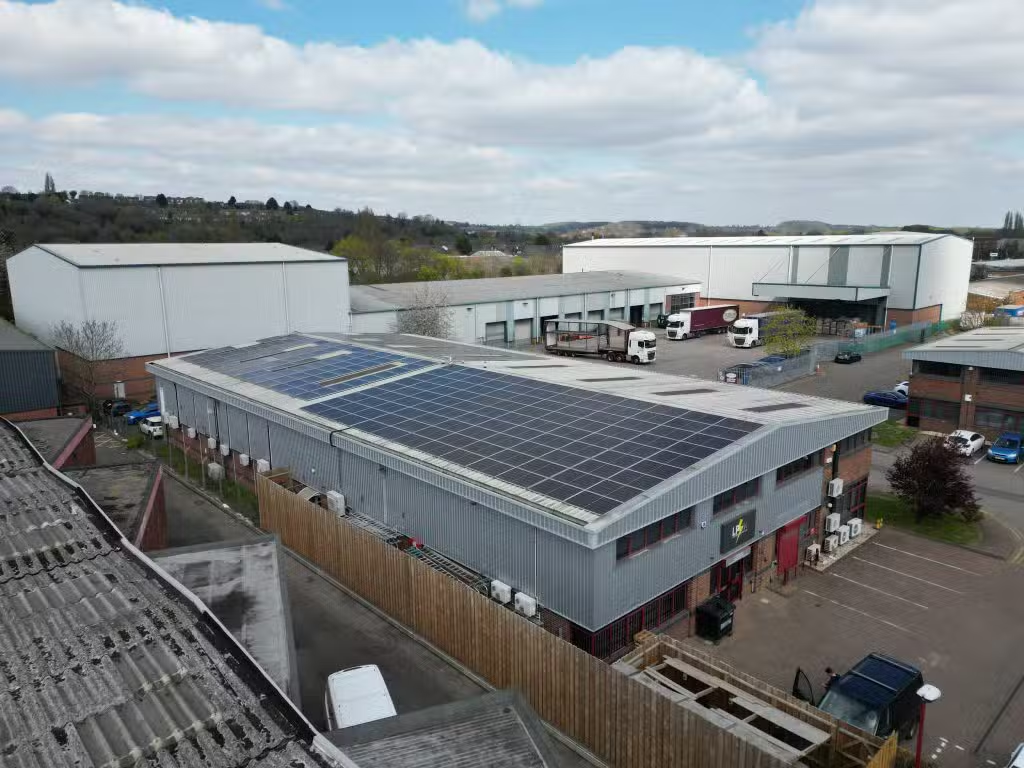
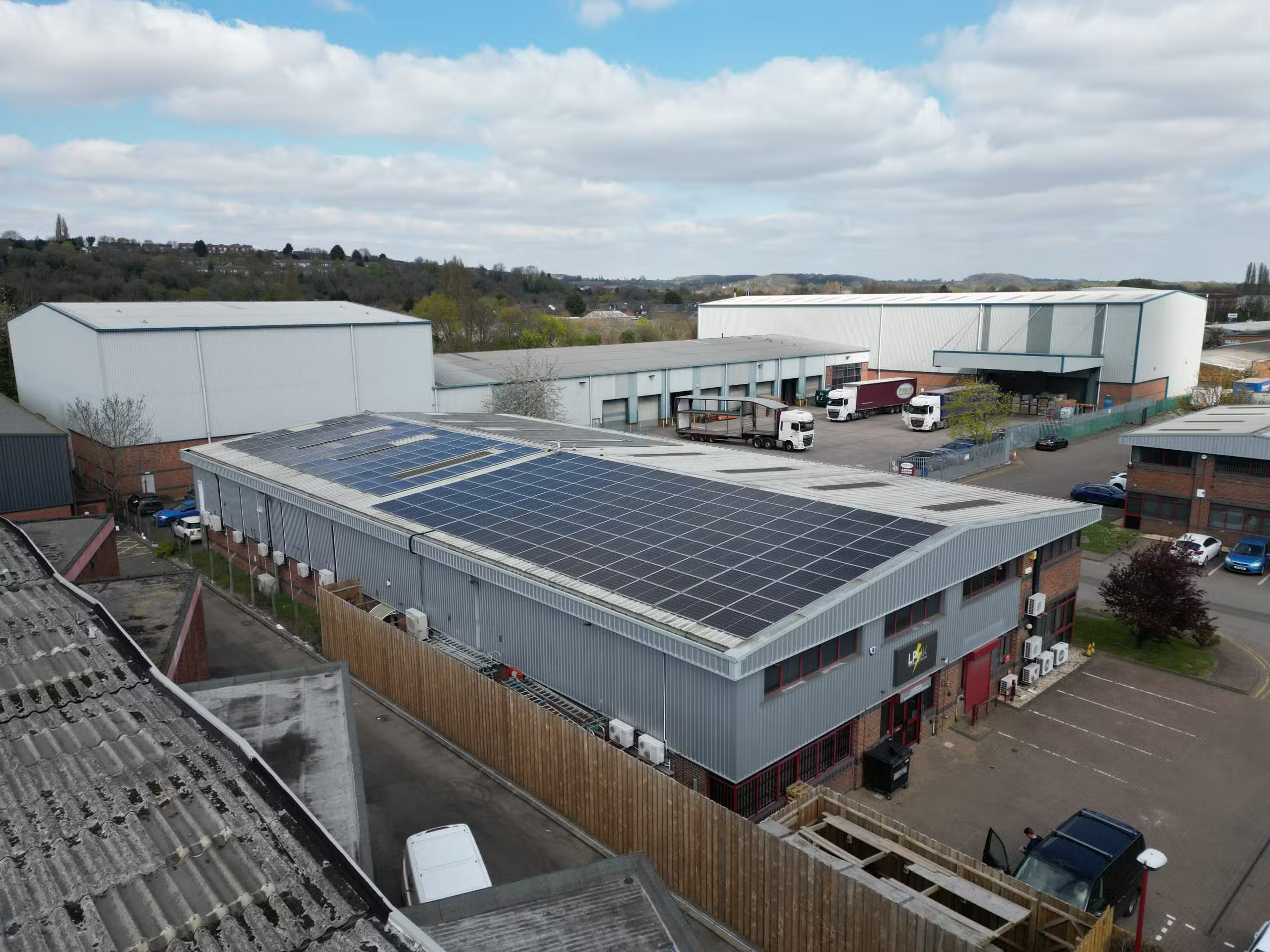
Commercial solar panel kWh output in the UK scales proportionally with system size. Commercial buildings with larger roof areas can install systems generating 40,000+ kWh annually, providing substantial on-site renewable energy. Manufacturing facilities and office buildings particularly benefit from daytime generation matching consumption patterns.
Seasonal and Weather Considerations
How Weather Affects kWh Production
UK solar panels generate electricity year-round, though output varies significantly by season. The sunnier half of the year (April-September) typically produces 65-75% of annual generation, with June delivering peak output. Winter months still generate useful electricity—panels work with daylight, not direct sunshine.
Cloudy conditions reduce output to approximately 10-25% of peak capacity, but the UK's cool temperatures actually improve panel efficiency compared to hotter climates. Solar panels typically lose 0.3-0.5% efficiency for each degree above 25°C.
Maximising Winter Generation: Pairing solar panels with battery storage allows you to store summer surplus for winter use, whilst smart energy management systems optimise self-consumption throughout the year.
Maximising kWh Output from Your PV Panels
Regular Maintenance and Cleaning
Dirt, bird droppings, moss, and debris can reduce panel efficiency by 5-15% over time. Regular inspection and cleaning maintains optimal output. Our solar panel maintenance services include professional cleaning, electrical checks, and performance monitoring. Read our complete guide to cleaning solar panels for best practices.
Smart Inverters and Monitoring
Modern inverters and monitoring systems track panel-level performance, identifying issues before they significantly impact generation. Microinverters and optimisers maximise output from each panel independently, particularly beneficial for partially shaded installations.
Frequently Asked Questions
A 300W panel typically produces 250-320 kWh per year in UK conditions. Daily output varies from approximately 0.3 kWh in winter to 1.2 kWh during peak summer days, depending on orientation and local weather.
A typical 400W panel generates approximately 0.9-1.3 kWh daily on average, 30-40 kWh monthly, and 340-450 kWh annually. The sunnier months (April-September) typically produce 2-3 times more than winter due to longer daylight hours.
Key solar panel energy production factors in the UK include roof orientation (south-facing optimal), tilt angle (30-40° ideal), shading, panel technology and efficiency rating, temperature, and maintenance. Professional site assessment identifies your specific conditions.
Yes—use the formula: Annual kWh = Panel Wattage × Peak Sun Hours × 365 × System Efficiency (0.75-0.85). For accurate estimates, request a professional site survey assessing your specific conditions.
Yes, significantly. South-facing roofs at 30-40° achieve maximum output. East/west orientations typically produce 15-20% less, whilst north-facing may produce 40-50% less. Modern panel efficiency means most orientations still deliver worthwhile returns.
UK panels generate 50-60% of annual output during May-August. A 4,000 kWh/year system might produce 600-700 kWh in June but only 100-150 kWh in December. Battery storage helps balance seasonal variation.
Regular maintenance improves output by 5-15%. Dirt, bird droppings, and debris reduce efficiency over time. Annual inspections and cleaning maintain optimal generation—see our solar panel maintenance guide.
Conclusion: Understanding PV Panel Output for Smart Solar Decisions
Knowing how many kWh your PV panels will produce helps you plan the right system size and make confident decisions about your energy needs. UK conditions typically deliver 850-1,100 kWh per kWp installed annually, with output varying by location, orientation, shading, and seasonal factors.
Accurate output estimation requires professional assessment of your specific property. Factors like roof angle, shading patterns, and local climate significantly impact real-world generation. Working with experienced MCS-accredited installers ensures your system is designed for optimal performance.
Calculate Your Property's Solar Potential
Get accurate kWh estimates based on your specific roof, orientation, and energy needs. Our free site surveys include detailed output projections and system recommendations tailored to your property.
Get Your Free Solar Assessment Speak to Our TeamAbout Spectrum Energy Systems: Established in 2011, we're MCS-accredited and NICEIC-certified solar installers serving Nottinghamshire, Derbyshire, Leicestershire, Lincolnshire and the wider East Midlands. Our experienced team designs and installs tailored solar solutions for homes and businesses, ensuring maximum performance from your system. Explore our case studies to see real-world results, or browse our solar energy articles for more expert guidance.