What Is the Downside of Solar Panels in the UK? An Honest Installer's Answer
The main downsides of solar panels in the UK are the upfront cost, typically £8,500 to £11,800 all in with a battery, a payback of circa 7 years, and the fact that not every roof suits them. Inverters also need replacing after 10 to 15 years. For most homes these are manageable; for low users they are not.
In This Guide
Why an installer is writing this
Most pages about solar panel disadvantages are written by people trying to sell you solar panels, so the downsides get softened until they mean nothing. We are Spectrum Energy Systems, an MCS certified installer (NIC200223) based in Bulwell, Nottingham, and we have been fitting solar across the East Midlands since 2011. We would rather you knew the real drawbacks before we ever survey your roof.
Some of what follows costs us sales. We tell low-usage households not to buy. We turn down roofs that are wrong for it. We would rather do that than install a system someone regrets, because a regretted system turns into bad reviews and callbacks for years.
The eight real downsides of solar panels
1. The upfront cost is real money
A properly installed domestic system with battery storage costs £8,500 to £11,800 all in on our current pricing, with £9,995 the figure we quote most often for a 5 to 6kWp array with a 16.1kWh battery. Those numbers are illustrative and every roof is priced from its own design, but nobody should pretend this is a small purchase. Our UK solar panel cost guide breaks the pricing down system by system.
2. Payback takes years, not months
On a typical home the system pays for itself in circa 7 years, based on our own install data with savings and export income included. That is a solid return on a product warrantied for 25 years, but it is a long wait, and anyone promising payback in a year or two is lying to you. If you might move house within three or four years, think carefully.
3. Low-usage households often should not bother
If your home uses under about 2,500 kWh of electricity a year, the savings are usually too small to justify the spend, and we say so on the survey. Solar pays back fastest when there is plenty of daytime and evening usage to offset. A small flat with two people out at work all day is rarely a good candidate, and we have told plenty of them exactly that.
4. Not every roof is suitable
A roof that only faces north is a poor candidate. Heavy shade from trees or neighbouring buildings drags generation down unless we design around it with optimisers, which adds cost. Slate roofs can be done but need more care and more time. And if your roof covering is due for replacement in the next few years, reroof first; nobody wants to pay to take an array off and put it back on.
5. Some people do not like the look
Aesthetics are subjective, and panels do change the look of a house. All-black panels sit much better against dark tiles than the old silver-framed blue modules, and in-roof systems sit flush with the roofline, but both options cost a little more than a standard on-roof array with standard panels. If kerb appeal matters to you, budget for it.
6. The inverter will not last 25 years
Panels are warrantied for 25 years. Inverters are not. A typical inverter lasts 10 to 15 years, and a like-for-like replacement currently costs £1,200 to £2,500 all in. Any honest long-term sum should include one inverter change, and we say that in our quotes. Our inverter replacement service page covers what the job involves.
7. Export pays much less than import
Grid electricity costs 26.11p per kWh under the Ofgem price cap for July to September 2026. Export tariffs on typical bundled deals pay 12 to 15p per kWh. Every unit you send to the grid instead of using yourself earns roughly half what it would have saved you. This gap is exactly why battery storage matters. Store the surplus and use it yourself in the evening rather than selling it cheap.
8. The install itself is disruptive for a few days
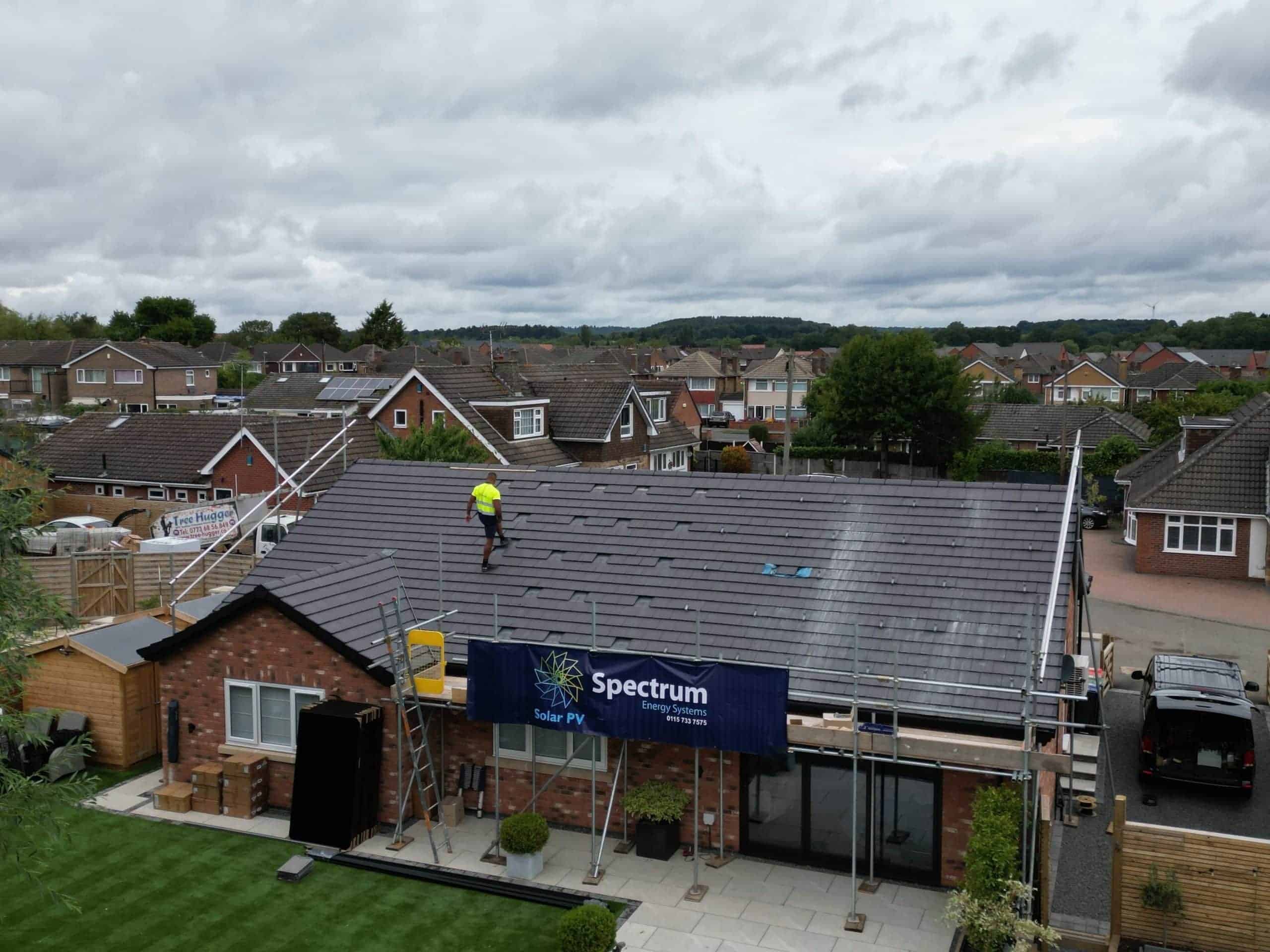
Scaffolding goes up around your home, usually for a week or so either side of the install. The electrical work means some short power-offs on install day, and there will be a crew on your roof and in your loft. A domestic install typically takes our in-house team 1 to 2 days on site, but the scaffolding bookends stretch the visible disruption longer.
The one downside that should worry you most
There is a ninth downside that belongs in its own box: bad installers exist. Most of the horror stories you read trace back to a cheap quote from a firm that subcontracted the whole job and vanished after handover.
The fix is boring but effective. Check the installer's MCS certification number on the MCS website before you sign anything, ask who actually turns up on the day, and get the workmanship guarantee in writing. Our guide to the common mistakes people make when hiring a solar installer walks through the checks in full.
Who we tell not to bother
- Low-usage householdsUnder about 2,500 kWh a year, the sums rarely work. We say so and save you the money.
- North-facing-only roofsIf the only usable roof faces north, generation is too weak to justify the spend in most cases.
- Roofs due for replacementReroof first. Fitting panels to a tired roof just moves a bigger bill a few years down the road.
- Short-term moversPlanning to sell within three or four years? You may not be in the house long enough to see the benefit, although a fitted system can help the sale.
- Heavily shaded plotsSome shade can be designed around with optimisers. A roof in permanent tree shadow cannot, and we will tell you on the survey.
Want a straight answer on your own roof?
Book a feasibility assessment. If your home is not a good candidate, we will tell you that too. Design and quote, normally within 2 to 4 days of the survey.
Book a Feasibility Assessment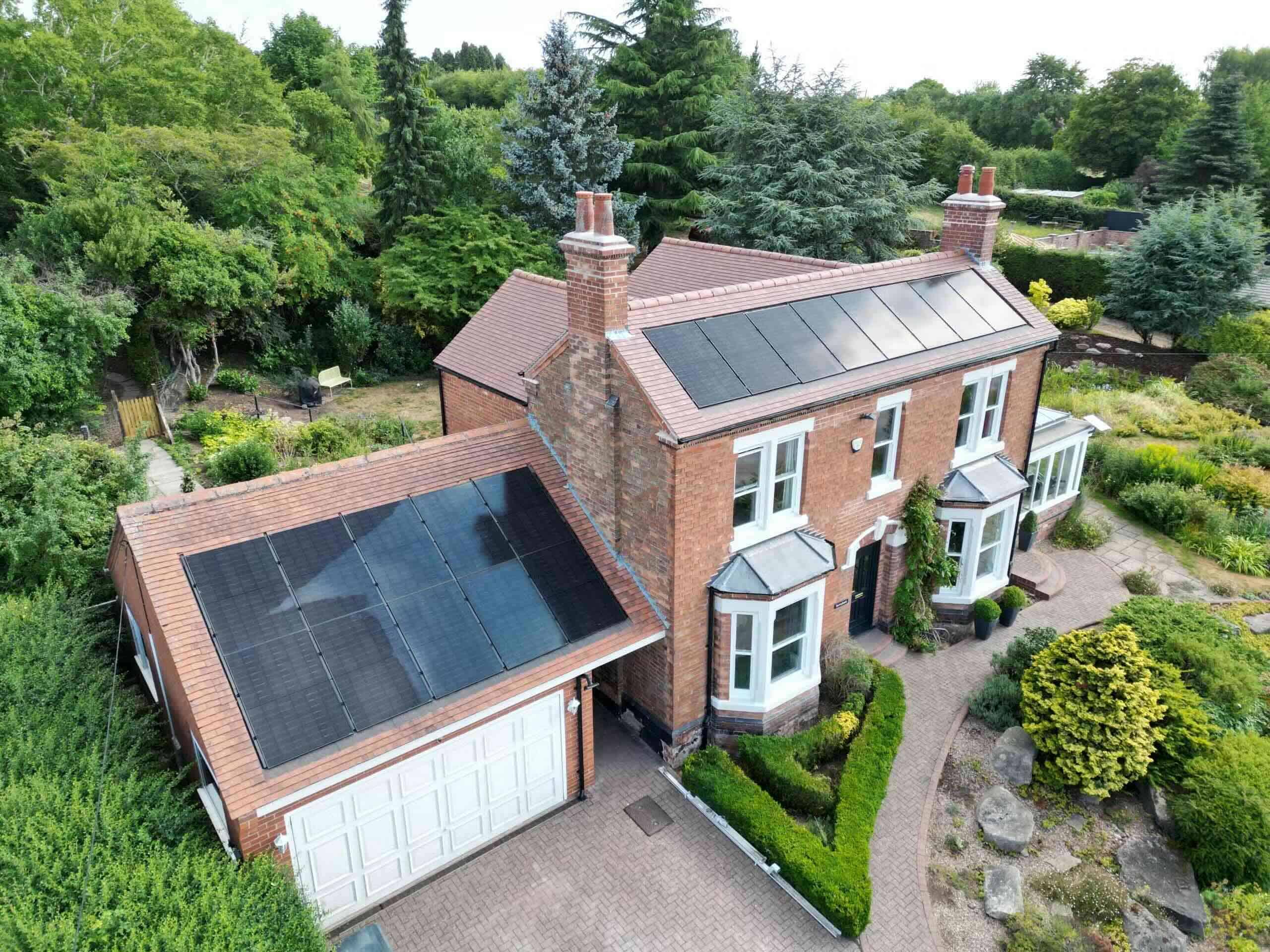
Why we still install solar every week
Read the list back and a pattern appears. Every downside is either a known, priceable cost (the system, the inverter change, the in-roof upgrade) or a suitability question a decent survey answers before you spend a penny.
For a home with decent usage and a reasonable roof, the sums work even with every drawback counted in. The Kimberley install pictured is a typical example: all-black arrays across the house and garage that the owners chose partly for the look. The downsides are real. They are also manageable, and priced in, which is why we fit systems like this week in, week out. The flip side of this article, whether the numbers stack up for you, lives in our guide to whether solar panels are worth it in 2026.
Frequently asked questions
Do solar panels damage your roof?
Properly installed, no. The mounting system is designed for your specific roof type, fixes to the rafters rather than the tiles, and is weatherproofed at every penetration. In-roof systems replace the tiles entirely, so there is nothing sitting on top of the covering at all. Damage almost always traces back to poor installation, not to solar itself.
Are solar panels a fire risk?
Solar fires are extremely rare, and the incidents that do occur usually involve poor DC connections or substandard installation work. The protection is straightforward: use an MCS certified installer, insist on quality isolators and connectors, and have the system signed off properly. We have installed since 2011 and design every system to those standards.
What is the biggest disadvantage of solar panels?
The upfront cost. A typical domestic system with battery storage runs £8,500 to £11,800 all in on our current pricing, and however good the long-term return is, that is a significant outlay. Everything else on the list, from inverter replacement to aesthetics, is smaller and easier to plan around.
Do solar panels work on cloudy days in the UK?
Yes, at reduced output. Panels generate from daylight, not just direct sun, so a cloudy day still produces electricity, just less of it. UK systems are designed around our actual climate: in the East Midlands a well-sited system generates 900 to 1,050 kWh per kWp per year under the MCS-standard estimation methodology, clouds included.
Why is my export rate so much lower than my import rate?
Because suppliers buy your surplus at wholesale-ish rates and sell you electricity at retail rates. Grid power costs 26.11p per kWh under the current Ofgem cap, while typical bundled export deals pay 12 to 15p. A battery closes the gap by storing surplus for evening use instead of exporting it cheaply.
How long does the disruption last during installation?
The install itself typically takes our team 1 to 2 days on a domestic job. Scaffolding usually goes up a few days beforehand and comes down within a week or so afterwards, so allow for it being around your home for a couple of weeks in total. Power is only off briefly on install day.
Will an unsuitable roof stop me having solar completely?
Not always. Shade can often be designed around with per-panel optimisation, east-west roofs work well, and slate is workable with the right mounting and more installation time. The genuine stoppers are a north-facing-only roof, permanent heavy shade, or a roof covering that needs replacing first. A survey settles it either way.
A good installer designs around every drawback listed here - see solar panels Derby for how we do it locally.
Related reading
- 8 common solar power myths debunked
- Are solar panels worth it in 2026?
- How much do solar panels cost in the UK?
- Problems with solar panels: a diagnostic guide
- Common mistakes to avoid when hiring a solar installer
For the wider picture on system options for your home, start with our domestic solar overview.
Speak to Spectrum Energy Systems
MCS certified (NIC200223), NICEIC Approved Contractor (3182878), installing across the East Midlands since 2011 with in-house crews from our Bulwell HQ. One survey, one design, one fixed all-in price, and a straight answer if solar is not right for you.
Request a Quote