Do Solar Panels Work in Winter? UK Performance Guide
One of the most common questions we hear from homeowners is: do solar panels work in winter UK conditions? The short answer is yes—solar panels absolutely work in winter, and cold temperatures actually improve their efficiency. Whilst output is lower due to short days, winter generation remains a valuable part of your annual electricity generation.
This comprehensive guide explains exactly how solar panels perform in UK winter conditions, what to realistically expect, and why seasonal variation shouldn't deter you from choosing solar energy.
In This Guide
- How Solar Panels Actually Work: Light, Not Heat
- Winter vs Summer Solar Performance in the UK
- Do Solar Panels Work in Snow?
- Do Solar Panels Work on Cloudy Days?
- Winter Solar Myths Debunked
- Maximising Winter Solar Panel Performance
- Technology Improvements for UK Winter Performance
- Factors Affecting Winter Solar Performance
- Does Solar Make Sense Considering UK Winters?
- Frequently Asked Questions
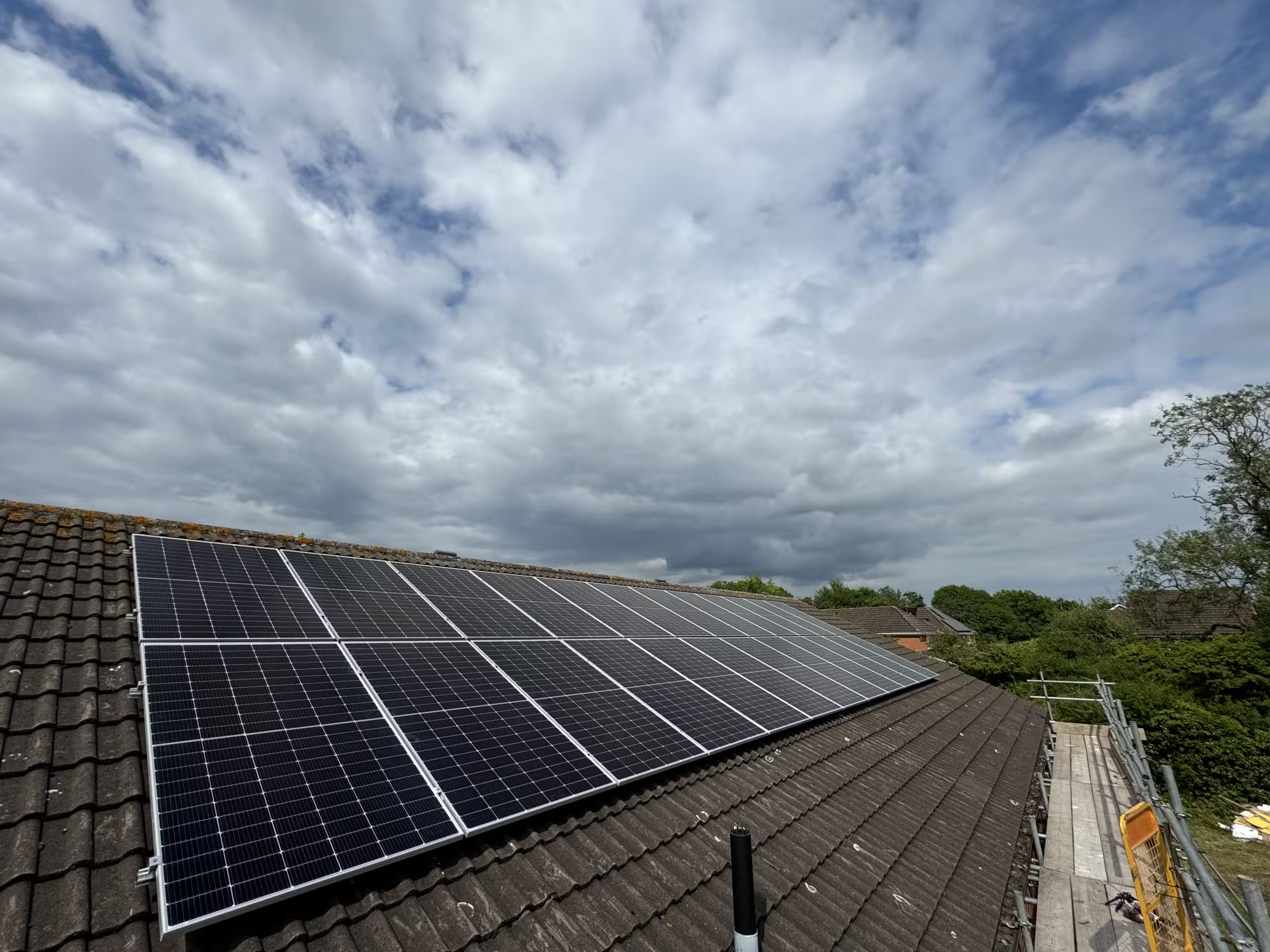
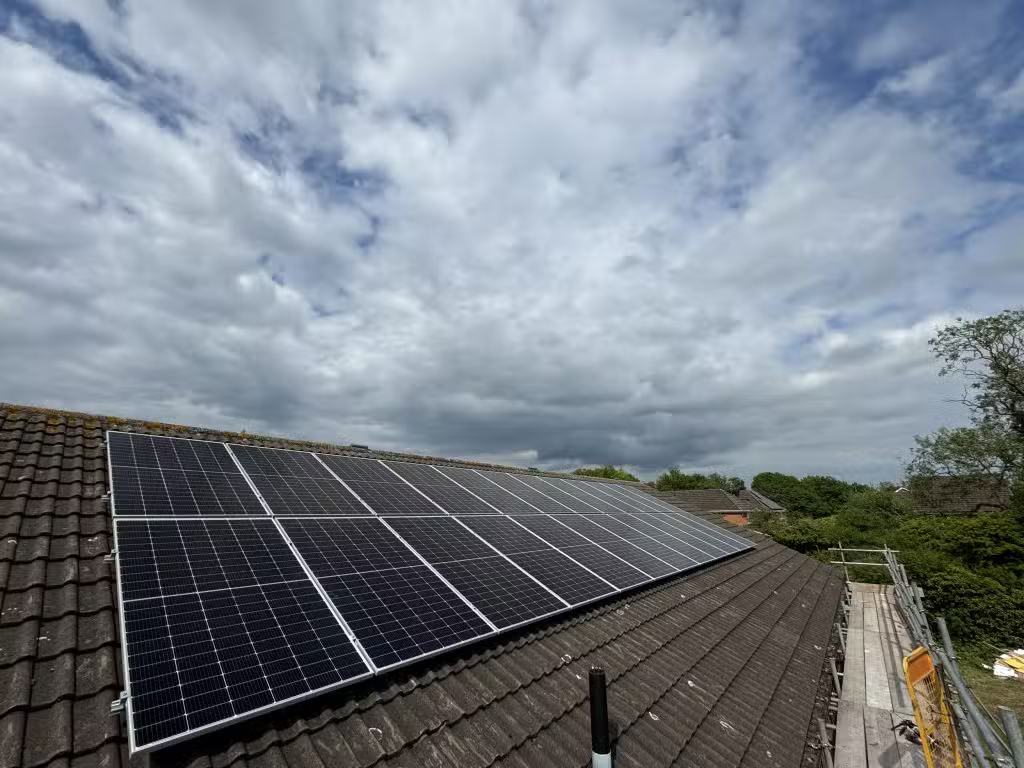
At Spectrum Energy Systems, established in 2011, we've installed hundreds of solar systems across Nottinghamshire, Derbyshire, Leicestershire, and Lincolnshire. Our monitoring data from real installations confirms that winter generation, whilst reduced, contributes meaningfully to annual energy production. Understanding how efficient solar panels are throughout the year helps set realistic expectations.
Many people assume solar panels need heat to function, but this is a fundamental misconception. Do solar panels need sunlight or heat? The answer is light—solar panels need light, not warmth—and this distinction makes all the difference when evaluating winter performance. In fact, the science behind photovoltaic technology means cold weather actually helps panels work more efficiently.
How Solar Panels Actually Work: Light, Not Heat
Understanding the basic science behind solar energy generation dispels the most common winter solar myths. Solar panels convert light into electricity through the photovoltaic effect—a process that has nothing to do with temperature.
The Photovoltaic Effect Explained
When photons (light particles) strike the silicon cells in your solar panels, they knock electrons loose from atoms within the semiconductor material. This creates an electrical current that flows through the panel's circuitry. The process requires light energy, not thermal energy, which is why panels generate electricity on cold but bright winter days.
This distinction matters enormously for UK winter performance. Even on overcast days, sufficient light reaches your panels to generate meaningful electricity. The diffuse light that penetrates cloud cover still contains the photons needed to trigger the photovoltaic effect, just at reduced intensity compared to direct sunlight.
Why Cold Weather Actually Improves Efficiency
Here's a fact that surprises many homeowners: do solar panels work when cold? Not only do they work, but solar panels actually demonstrate improved cold temperature efficiency. Every panel has a temperature coefficient, typically -0.3% to -0.5% per degree Celsius. This means panels lose efficiency as they get hotter—and gain winter efficiency when cooler.
Panel efficiency ratings (like 20% or 22%) are measured at Standard Test Conditions of 25°C. On hot summer days, panel surface temperatures can reach 60-70°C, reducing efficiency by 15-20% compared to rated capacity. Conversely, on a crisp 5°C winter day, panels can operate 5-10% more efficiently than their rated specifications.
Temperature Efficiency Example
A 400W panel rated at 25°C with a temperature coefficient of -0.4%/°C:
- Hot summer day (65°C panel temp): Loses 16% efficiency = ~336W output
- Cold winter day (5°C panel temp): Gains 8% efficiency = ~432W output
This temperature advantage partially compensates for winter's reduced daylight hours.
The Real Winter Challenge: Shorter Days and Lower Sun Angle
If cold weather helps efficiency, why is winter output lower? The answer lies in two factors that do reduce generation: daylight hours and sun angle.
UK winter provides approximately 7-8 hours of usable daylight in December and January, compared to 16-17 hours in June and July. This alone roughly halves potential generation time. Additionally, the sun sits lower in the sky during winter, reducing solar irradiance (the power per square metre hitting your panels) even during daylight hours.
These factors—not temperature—explain why typical winter output reaches 20-30% of summer levels. Understanding this helps you appreciate that your panels are working efficiently; they simply have less light energy available to convert. For detailed insights into year-round performance, read our guide on how long solar panels last in the UK.
Considering Solar for Your Home?
Our MCS-accredited team designs systems optimised for year-round UK performance
Get Your Free Quote Speak to Our TeamWinter vs Summer Solar Performance in the UK
Understanding solar panel efficiency winter vs summer helps set realistic expectations. Here's what typical UK installations actually produce across the seasons, demonstrating how winter solar power contributes to annual totals.
Monthly Generation Comparison
The following table shows typical winter solar panel production UK homeowners can expect from a standard 4kW domestic system in the East Midlands. Actual output varies based on panel orientation, shading, local weather patterns, and system components.
| Month | Typical Generation (kWh) | % of Peak Output | Daylight Hours |
|---|---|---|---|
| January | 90-140 | 22-30% | 7-8 hours |
| February | 120-180 | 30-40% | 9-10 hours |
| March | 220-300 | 55-65% | 11-12 hours |
| April | 320-400 | 75-85% | 13-14 hours |
| May | 400-480 | 90-100% | 15-16 hours |
| June | 420-500 | 95-100% | 16-17 hours |
| July | 400-480 | 90-100% | 16-17 hours |
| August | 350-420 | 80-90% | 14-15 hours |
| September | 260-320 | 60-70% | 12-13 hours |
| October | 160-220 | 40-50% | 10-11 hours |
| November | 90-140 | 25-30% | 8-9 hours |
| December | 70-120 | 18-25% | 7-8 hours |
These figures demonstrate that whilst December and January produce the lowest output, generation never stops entirely. Even on the shortest days, your system continues converting available light into electricity. Our ultimate guide to installing solar PV provides comprehensive information on expected performance throughout the year.
Daily Winter Generation Examples
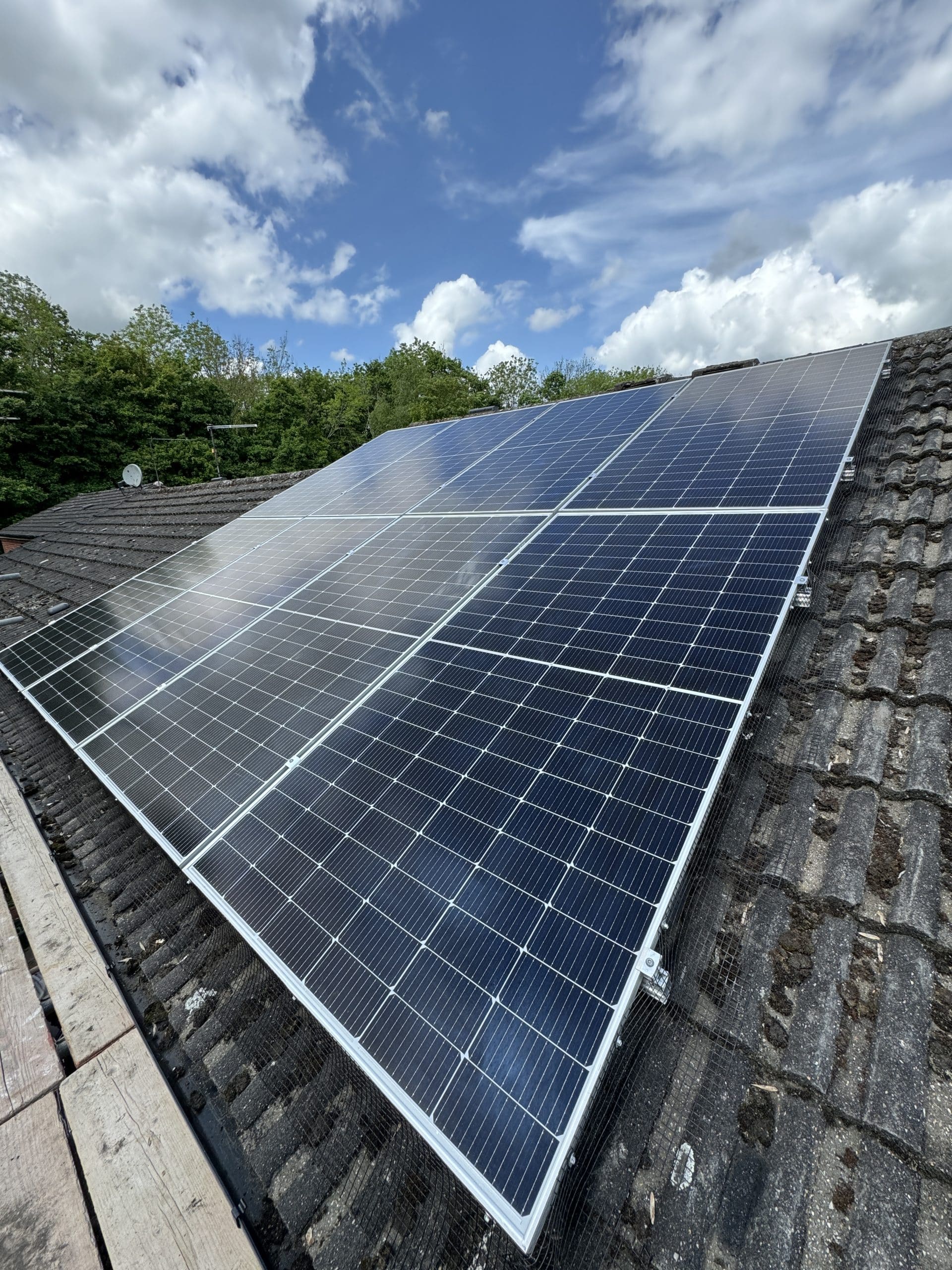
Understanding daily output variations helps manage expectations. A typical 4kW system in winter might produce:
- Bright winter day: 5-8 kWh (approaching spring/autumn levels)
- Partly cloudy: 2-4 kWh (most common scenario)
- Overcast day: 1-2 kWh (grey but generating)
- Heavy grey/rainy day: 0.5-1 kWh (minimal but present)
Compare this to summer daily generation of 15-25 kWh on good days. The important point is that winter days contribute to your annual total, reducing grid reliance even during the darker months. For homes seeking maximum winter benefit, adding battery storage solutions allows you to store sunny day generation for evening use.
Regional UK Variations
Winter solar performance varies somewhat across the UK, though differences are more modest than many assume:
- Southern England: Highest winter output, approximately 10-15% above national average
- East Midlands: Moderate winter performance, close to national average
- Northern England: Slightly lower, approximately 5-10% below average
- Scotland: Lowest UK winter output, but still viable and productive
Coastal areas often perform better due to clearer skies and reflected light from water. Our installations across Lincolnshire, including coastal regions, demonstrate consistent year-round generation. Germany, at similar latitudes to Scotland, produces more solar energy than sunnier Spain—proof that northern climates support effective solar generation.
Do Solar Panels Work in Snow?
Snow is a common concern for prospective solar owners, though its impact on UK installations is typically minimal. Understanding how panels handle snow helps address this worry.
Light Snow Coverage
Light dustings of snow rarely stop generation entirely. Solar panels' dark surfaces absorb any available light, generating heat that melts thin snow layers quickly. Additionally, the small amount of electricity panels produce even through light snow coverage contributes to warming the surface. Most light snow clears within hours once daylight arrives.
Heavy Snow Accumulation
Heavy snow covering panels completely does temporarily halt generation. However, several factors limit this impact in the UK:
- Most English regions experience 5-15 days of lying snow annually, with Scotland averaging 23 days (Met Office data)
- Tilted panels (typical installations angle at 30-40°) encourage snow to slide off
- Dark panel surfaces accelerate melting once any light reaches them
- Snow typically clears within 1-3 days in most UK conditions
For the vast majority of UK installations, annual generation loss from snow totals less than 1%—a negligible impact on overall system performance. Scotland and higher-altitude locations may experience slightly more snow-related downtime, but the impact remains minor in annual terms.
Snow Removal: Usually Unnecessary
We generally recommend allowing snow to melt naturally rather than attempting manual removal. Here's why:
- Safety first: Climbing onto snowy, icy roofs creates serious injury risks
- Panel damage risk: Improper tools or techniques can scratch or crack panels
- Warranty concerns: Some manufacturers void warranties if panels are damaged during cleaning
- Minimal impact: Lost generation from a few snow days is negligible in annual terms
If heavy snow persists for extended periods (rare in most UK regions), professional intervention may be warranted. Otherwise, patience is the safest approach. For general panel care advice, see our complete UK solar panel cleaning guide.
Snow's Silver Lining
Interestingly, fresh snow on the ground around panels can actually boost output through the albedo effect. Snow reflects sunlight, increasing light reaching panel surfaces from below. Bifacial panels, which capture light from both sides, particularly benefit from snowy ground conditions. This reflected light can increase output by 10-15% on clear days after snowfall.
Do Solar Panels Work on Cloudy Days?
Given the UK's reputation for grey skies, understanding how solar panels perform in cloudy weather winter conditions matters enormously. The good news: solar panels absolutely generate electricity on cloudy days.
Understanding Diffuse Light
Even when clouds block direct sunlight, diffuse light still reaches the ground. This scattered light contains the photons needed to generate electricity, just at lower intensity than direct sunshine. Modern panels are designed to capture this diffuse radiation efficiently, making them well-suited to UK conditions.
Typical output in various cloud conditions:
- Light cloud/hazy: 50-80% of clear sky output
- Moderate overcast: 25-40% of clear sky output
- Heavy grey clouds: 10-25% of clear sky output
- Very dark, stormy conditions: 5-15% of clear sky output
This means even on grey December days, your panels contribute to your electricity supply. The cumulative effect of many grey days generating 10-25% capacity adds meaningfully to annual production.
Modern Panel Technology Advantages
Today's solar panels incorporate technologies that enhance performance in low light winter conditions compared to older models. Do solar panels work in shade winter months? Yes—though reduced, they still generate meaningful output:
- PERC cells: Passivated Emitter Rear Cell technology captures more light, especially in low-light conditions
- Half-cut cells: Reduce resistance losses, improving output when light is limited
- Bifacial panels: Capture reflected light from surroundings, boosting grey-day generation
- Higher efficiency ratings: Modern 20%+ efficient panels extract more energy from available light
When comparing monocrystalline vs polycrystalline solar panels, monocrystalline technology typically performs better in low-light conditions—one reason it has become the industry standard. The choice between micro inverters vs string inverters also affects how systems handle partial shading common in winter.
Winter Solar Myths Debunked
Several persistent misconceptions discourage people from considering solar. Let's address these directly.
Myth 1: Solar Panels Don't Work When It's Cold
Reality: Cold weather improves panel efficiency. Panels lose 0.3-0.5% efficiency per degree above 25°C, so UK winter temperatures actually help performance. A cold, bright winter day can produce impressive output.
Myth 2: You Need Direct Sunlight for Solar to Work
Reality: Panels generate electricity from any light, including diffuse light on cloudy days. Whilst direct sunlight maximises output, panels continue working effectively in UK's typical overcast conditions.
Myth 3: Solar Isn't Effective in the UK Climate
Reality: Germany, with similar latitude and weather to the UK, leads Europe in solar installations with over 105 GW of capacity. The UK receives sufficient annual sunshine for effective solar generation—a typical 4kW system produces 3,500-4,500 kWh annually across all seasons. Understanding the key benefits of solar panels for homes and businesses demonstrates year-round value.
Myth 4: Snow Stops Solar Production Entirely
Reality: Snow rarely impacts UK installations significantly. Most regions experience minimal lying snow, panels clear quickly once daylight arrives, and annual generation loss from snow typically totals less than 1%.
Myth 5: Winter Makes Solar Pointless
Reality: Solar is a year-round energy source. Summer's surplus generation compensates for winter's lower output in annual totals. Battery storage further maximises winter value by storing sunny day generation for evening use.
Maximising Winter Solar Panel Performance
Whilst you can't change the weather, you can optimise your system for winter performance. These strategies help extract maximum value during darker months.
Optimal Panel Placement
System design significantly impacts winter output. Key considerations include:
- South-facing orientation: Even more critical in winter when sun angles are low
- Steeper tilt angles: 35-45° optimises capture of low winter sun (vs 30-35° for summer)
- Shading analysis: Low winter sun creates longer shadows—assess shading patterns year-round
- Vegetation management: Deciduous trees drop leaves (helpful), but evergreens may create new winter shadows
Our expert solar fitting services include comprehensive shading analysis to ensure your installation performs optimally throughout the year. For homeowners, our guide to choosing the right solar panel covers selection criteria for UK conditions.
Maintain Clean Panels
Proper solar panel winter maintenance addresses specific soiling challenges that can reduce output:
- Fallen leaves accumulating in autumn persist into winter
- Bird droppings are more impactful when every photon counts
- Dust and dirt build up when rain is insufficient for cleaning
- Moss or algae growth in damp conditions
Consider professional cleaning before winter or in early spring to ensure panels are generating at full capacity. Regular solar panel maintenance and support keeps systems performing optimally year-round.
Monitor System Performance
Tracking your system's output helps identify issues quickly. Modern monitoring platforms show daily generation, allowing you to:
- Compare actual vs expected output
- Identify underperforming panels or strings
- Spot issues like shading or soiling immediately
- Confirm your system is working correctly
If output seems unusually low, investigate promptly. Problems addressed quickly mean less lost generation. Our solar system health check services can diagnose and resolve performance issues.
Optimise Your Solar Performance
Professional maintenance ensures your system performs at its best throughout winter and beyond
Maintenance Services Book a Health CheckTechnology Improvements for UK Winter Performance
Solar technology continues advancing, with several innovations particularly benefiting UK winter conditions.
Bifacial Panels
Bifacial panels capture light from both front and rear surfaces, benefiting from ground-reflected light. In winter, this proves advantageous when snow or light surfaces increase ground reflection. These panels can generate 5-15% additional energy in appropriate conditions.
Half-Cut Cell Technology
Half-cut cells reduce electrical resistance within panels, improving performance particularly in low-light conditions. This technology enhances winter output compared to traditional cell designs, extracting more energy from limited available light.
PERC Technology
Passivated Emitter Rear Cell technology adds a reflective layer behind solar cells, capturing light that would otherwise pass through unused. PERC panels demonstrate notably better low-light performance, making them well-suited to UK's frequent overcast conditions.
Module-Level Power Electronics
Micro-inverters and power optimisers maximise output from each panel individually. This proves especially valuable in winter when partial shading from low sun angles might otherwise reduce entire string output. Panel-level optimisation ensures shading on one panel doesn't disproportionately impact system performance.
For more on optimising system components, see our article on micro inverters vs string inverters and explore next-generation solar technology options.
Factors Affecting Winter Solar Performance: Summary
Several interrelated factors determine your system's winter output. Understanding these helps set realistic expectations.
| Factor | Winter Impact | Can You Influence It? |
|---|---|---|
| Daylight hours | 7-8 hours vs 16-17 summer—major reduction | No—natural variation |
| Sun angle | Lower intensity per m²—moderate reduction | Partial—optimal tilt helps |
| Temperature | Cold improves efficiency—5-10% boost | No—but it's beneficial |
| Cloud cover | More frequent—reduces to 10-50% output | No—natural variation |
| Panel orientation | South-facing critical for low winter sun | Yes—design consideration |
| Shading | Low sun creates longer shadows | Partial—vegetation management |
| Panel cleanliness | Dirt, leaves, bird droppings reduce output | Yes—regular cleaning |
| Snow coverage | Temporary halt when covered (rare in UK) | Limited—usually melts naturally |
The factors you can influence—panel placement, cleanliness, shading management—are addressed during professional system design and through ongoing maintenance. Our expert solar installation services optimise these controllable factors from the outset.
Does Solar Make Sense Considering UK Winters?
After examining winter performance in detail, the conclusion is clear: UK winters do not undermine solar viability. Here's why:
The Annual Perspective Matters Most
Solar generates electricity year-round, with summer's high output compensating for winter's reduction. A typical 4kW system generates 3,500-4,500 kWh annually—this total accounts for all seasonal variations. Winter contributes meaningfully to this annual figure whilst summer delivers the majority of generation.
Environmental Benefits Year-Round
Every kilowatt-hour your panels generate—whether in December or June—displaces grid electricity. Winter generation still reduces carbon emissions, even if volumes are lower. The cumulative environmental impact over your system's 25-30 year lifespan is substantial.
Who Should Consider Solar?
Winter performance shouldn't deter anyone with:
- A suitable roof (south, east, or west-facing, minimal shading)
- A long-term perspective (5+ years in the property)
- Realistic expectations (understanding seasonal variation)
- Typical electricity consumption patterns
For commercial properties, winter variation matters less because daytime generation aligns with operating hours when electricity demand is highest. Explore our commercial solar panel installation services for business applications, or read our complete business solar guide.
Frequently Asked Questions
Conclusion: Winter Doesn't Stop Solar
The evidence is clear: solar panels work effectively in UK winter conditions. Whilst output is lower due to shorter days and reduced sun intensity, cold temperatures actually improve panel efficiency. The combination of year-round generation and environmental benefits makes solar a practical choice regardless of seasonal variation.
Key points to remember:
- Solar panels need light, not heat—cold weather improves efficiency
- Winter output is 20-30% of summer levels, but still valuable
- Snow impact is minimal in most UK regions (less than 1% annual loss)
- Cloudy days still generate electricity (10-25% of rated capacity)
- Annual generation estimates already account for seasonal variation
- Battery storage maximises winter value by storing daytime generation
At Spectrum Energy Systems, established in 2011, we've helped hundreds of East Midlands homeowners and businesses go solar—and winter performance has never disappointed those with realistic expectations. Our MCS-accredited team designs systems optimised for UK conditions, ensuring reliable year-round performance.
Don't let winter concerns delay your transition to renewable energy. The best time to install solar is before the next winter—giving you a full year of generation, including summer's peak production, before experiencing your first winter season.
Ready to Go Solar?
Discover how solar can work for your property year-round with a free site assessment from our expert team
Get Your Free Quote Read Homeowners GuideFor businesses considering solar, winter variation matters less because daytime generation aligns perfectly with operating hours. Explore our commercial solar installation services or read our complete business solar guide for more information. We serve all sectors including offices, manufacturing facilities, agricultural buildings, and retail premises.
About Spectrum Energy Systems: Established in 2011, we're MCS-accredited solar installers serving Nottinghamshire, Derbyshire, Leicestershire, Lincolnshire, and the wider East Midlands. Our experienced engineers design and install tailored solar solutions for homes and businesses, ensuring maximum performance throughout the year. Learn more about our expertise or view our case studies to see real installation examples. We also offer EV charging solutions, battery storage systems, and comprehensive maintenance support.