
Can Solar Panels Charge an Electric Car or EV?
Yes, solar panels can absolutely charge an electric car—and for UK homeowners, combining solar PV with EV charging represents one of the smartest energy decisions available today. By generating your own renewable electricity to power your vehicle, solar-powered EV charging delivers genuine environmental and practical benefits.
As electric vehicle adoption accelerates across the UK, more homeowners are asking whether their domestic solar panel system can power their daily commute. The answer involves understanding how solar energy flows from your roof to your car's battery, and what equipment bridges the gap between panel and plug.
At Spectrum Energy Systems, established in 2011, we've installed hundreds of integrated solar and EV charging systems across the East Midlands. This guide explains exactly how solar EV charging works, how many panels you need, and whether it's the right choice for your situation.
In This Guide
Is It Possible to Charge an EV with Solar Panels?
Solar panels can charge an electric vehicle, though the energy doesn't flow directly from panel to car. Understanding this distinction helps you design the most effective system for your needs.
How Solar Energy Powers an EV
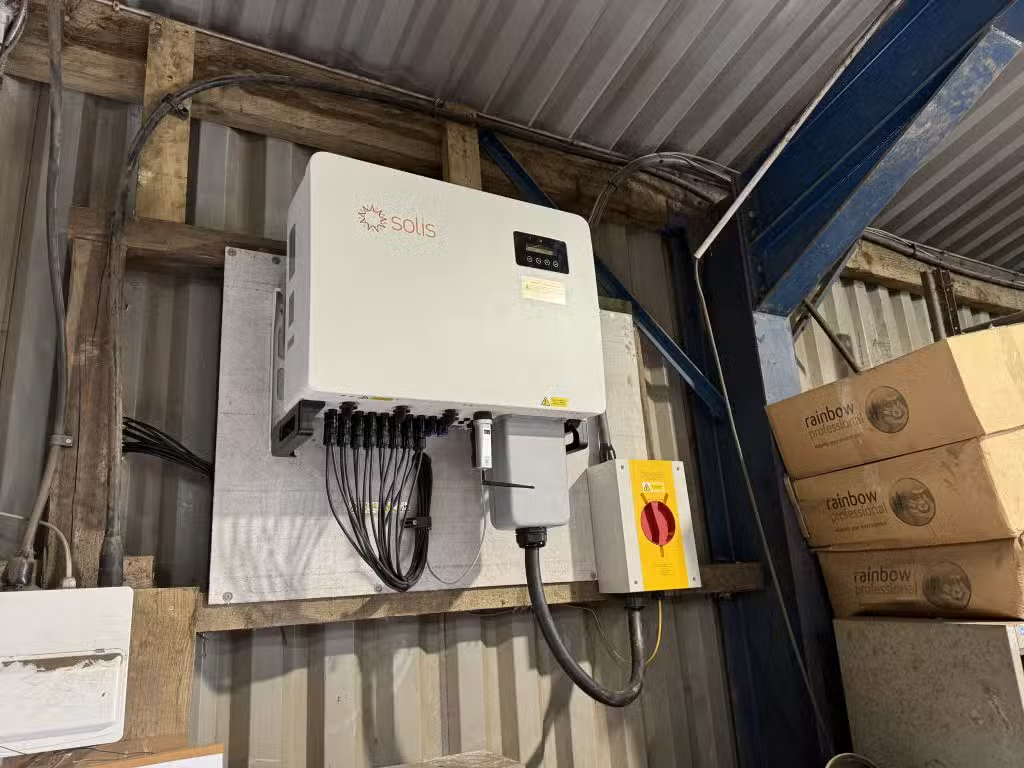
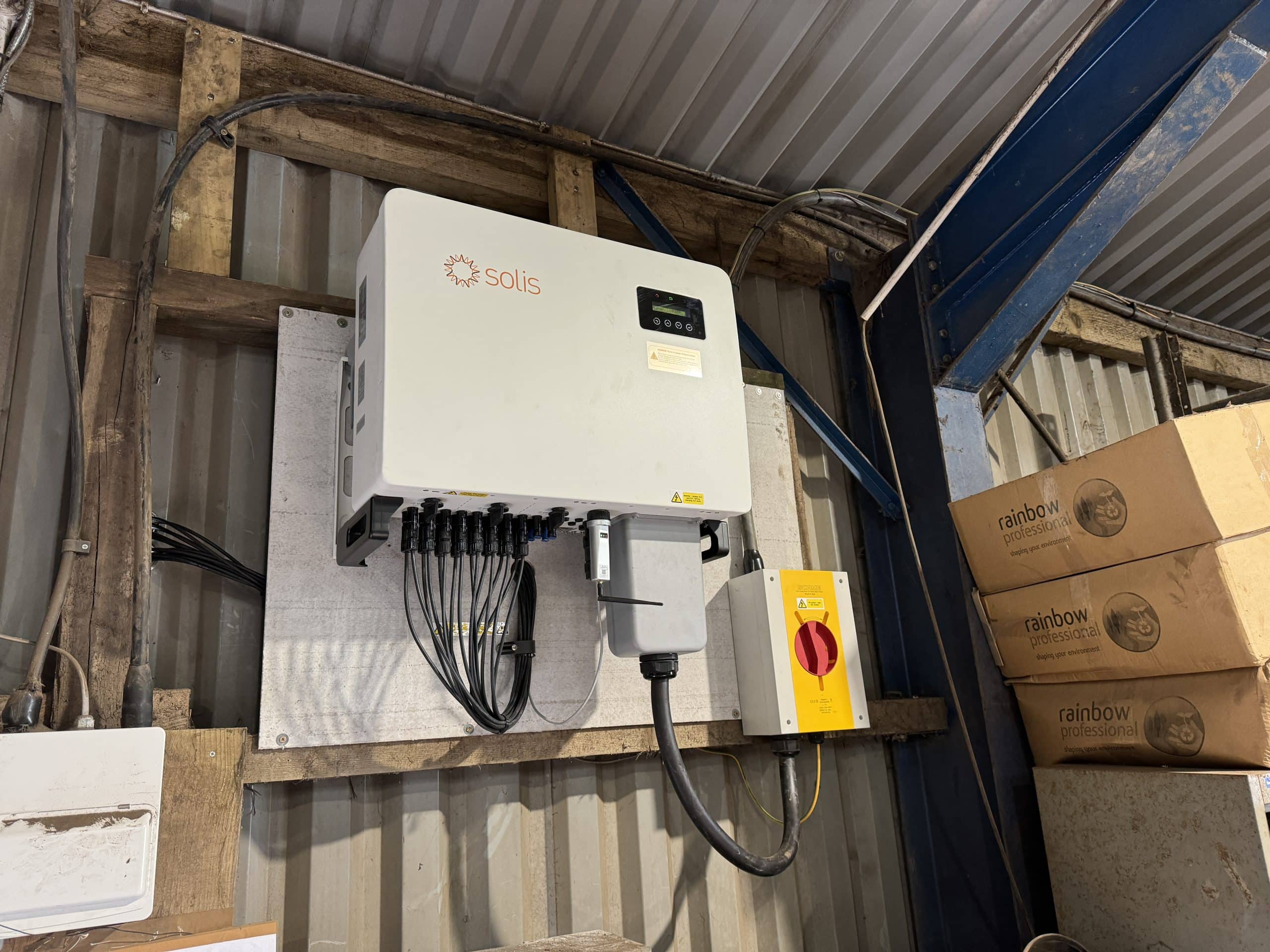
Solar panels generate direct current (DC) electricity from sunlight. Your EV's onboard charger also requires AC electricity to charge the battery. The conversion process works like this: solar panels produce DC power, which flows to your solar inverter and converts to AC electricity. This AC power then travels through your home's electrical system to a dedicated EV charging point, which delivers it to your vehicle.
Direct vs Indirect EV Charging
When we talk about charging an EV with solar, there are two approaches:
- Real-time solar charging: Using solar generation as it happens during daylight hours
- Stored solar charging: Using battery storage to save excess solar energy for evening or overnight charging
Most UK homeowners benefit from a hybrid approach, charging during peak solar generation when possible and drawing from battery storage or the grid when needed.
Ready to Power Your EV with Solar?
Get a free assessment of your property's solar EV charging potential
Get Your Free Quote Speak to Our TeamHow Solar EV Charging Works
A complete solar EV charging system comprises several interconnected components working together to convert sunlight into miles of driving range.
The Energy Flow: Solar Panels → Inverter → EV Charger
Your solar panels capture sunlight and generate DC electricity. The inverter converts this to AC power compatible with your home's electrical system. A dedicated EV charger, typically rated at 7kW for home installations, draws from this supply to charge your vehicle. Smart chargers can prioritise solar energy, only drawing grid power when necessary.
The Role of Solar Batteries
Battery storage systems transform solar EV charging flexibility. Without batteries, you're limited to charging during daylight hours when panels are generating. With a battery storage system, excess daytime generation gets stored for evening use—precisely when most people plug in their cars after work.
Smart Charging Integration
Modern smart home energy systems can automatically schedule EV charging during peak solar generation or when stored battery power is available. This maximises self-consumption and reduces reliance on grid electricity.
Grid-Tied vs Off-Grid Charging
Most UK solar EV installations are grid-tied systems. This means your home stays connected to the national grid, drawing power when solar generation is insufficient and potentially exporting excess. True off-grid EV charging is possible but requires substantial battery storage capacity and careful energy management—typically only practical for rural properties with limited grid access.
How Many Solar Panels Do You Need to Charge an EV?
Calculating your solar panel requirements depends on your daily driving distance, your EV's efficiency, and your panel output. Here's how to work out what you need.
Daily EV Energy Consumption
The average UK driver covers approximately 20-30 miles daily. Most modern EVs achieve 3-4 miles per kWh (consuming approximately 0.25-0.35 kWh per mile), meaning typical daily energy requirements range from 6-12 kWh. Your actual consumption depends on your vehicle's efficiency, driving style, and journey type.
Solar Panel Output Estimates
A typical 400W solar panel in UK conditions generates approximately 1.2-1.5 kWh daily on average, depending on orientation, angle, and seasonal variation. Understanding solar panel efficiency helps set realistic expectations for your system's output.
| Daily Driving | Energy Needed | Panels Required (400W) | Roof Space Needed |
|---|---|---|---|
| 10-15 miles | 4-6 kWh | 4-6 panels | 8-12 m² |
| 20-30 miles | 8-12 kWh | 6-10 panels | 12-20 m² |
| 40-50 miles | 16-20 kWh | 12-16 panels | 24-32 m² |
| 60+ miles | 24+ kWh | 18-20+ panels | 36-40+ m² |
Example Calculation
For a homeowner driving 25 miles daily in a vehicle consuming approximately 0.35 kWh per mile, energy consumption equals approximately 8.75 kWh daily. With 400W panels generating around 1.2 kWh each in typical UK conditions, you'd need 8 panels (approximately 9.6 kWh) to cover this consumption. A typical 4kW system with 10 panels provides comfortable headroom for variable weather and seasonal changes.
Planning Tip
Consider your future needs when sizing your system. If you plan to add a second EV or increase driving distance, installing additional capacity now is simpler than retrofitting later. Our expert installation services include future-proofing consultations.
Charging Speed and Performance
How quickly you can charge depends on your solar output, charger rating, and time of day.
Level 1 vs Level 2 Solar Charging
Standard three-pin plug charging (Level 1) delivers approximately 2.3kW, adding 8-10 miles of range per hour. A dedicated 7kW home charger (Level 2) adds 25-30 miles per hour. For solar-powered charging, Level 2 chargers make better use of peak generation periods, charging more efficiently during limited sunshine hours.
Factors Affecting Charging Speed
Several variables influence solar EV charging performance:
- Solar generation: Peak output occurs midday on clear days; cloudy conditions reduce generation by 50-80%
- System size: Larger arrays maintain charging even in suboptimal conditions
- Battery storage: Enables faster charging by combining real-time generation with stored power
- Charger rating: Higher-rated chargers can utilise more available power
Benefits of Charging an EV with Solar
Solar EV charging delivers numerous advantages for UK homeowners.
✓ Key Benefits
- Free fuel from sunshine: Power your vehicle using renewable solar energy
- Lower carbon footprint: Truly zero-emission driving
- Energy independence: Less reliance on grid electricity
- Increased property value: Combined solar and EV infrastructure appeals to buyers
- Maximised self-consumption: Use more of your generated electricity
✗ Challenges to Consider
- Weather dependence: UK weather creates variable generation
- Initial commitment: System requires professional installation
- Daytime limitation: Without storage, charging limited to daylight hours
- Roof requirements: Need sufficient unshaded south-facing space
- Installation complexity: Requires professional design and fitting
Required Equipment
A functional solar EV charging system requires several key components working together.
Essential Components
- Solar panels: Monocrystalline panels deliver the best efficiency for UK conditions
- Inverter: Converts DC solar power to AC for your home and charger
- EV charger: Dedicated wallbox with smart functionality for solar integration
- Electrical upgrades: Your consumer unit may need upgrading to handle additional load
Recommended Additions
- Battery storage: Dramatically improves flexibility and self-consumption
- Energy management system: Optimises power flow between panels, battery, charger, and home
- Generation monitoring: Track performance and identify any potential issues
Professional solar panel installation ensures all components integrate correctly and meet regulatory requirements.
Is Solar EV Charging Worth It?
The value proposition depends on your specific circumstances and priorities.
For Homeowners
If you already have solar panels or plan to install them, adding EV charging capability is highly worthwhile. The ability to power your vehicle with renewable energy you generate yourself offers genuine independence from the grid. Our homeowner's guide to solar panels provides detailed guidance on getting started.
For Daily Commuters
Regular commuters benefit most from solar EV charging. Consistent daily energy requirements make it easy to size systems accurately, and the benefits compound over time. If you drive 20-40 miles daily, solar EV charging can significantly reduce your reliance on grid electricity or public charging infrastructure.
For Off-Grid Applications
True off-grid EV charging requires careful planning and substantial battery storage. While possible, it's typically only practical for rural properties where grid connection is limited. Most UK homeowners find grid-tied systems with battery backup offer the best balance of flexibility and reliability.
Design Your Solar EV Charging System
Our MCS-accredited engineers create tailored solutions for your driving needs and property
Get Your Free Quote Learn About EV ChargingFrequently Asked Questions
Conclusion: Making Solar EV Charging Work for You
Solar panels can absolutely charge an electric car, and for most UK homeowners, the combination represents a smart choice for energy independence. By generating your own renewable electricity to power your vehicle, you reduce reliance on the grid whilst lowering your carbon footprint.
The ideal setup for most households includes:
- A 4-6kW solar array sized for your driving needs
- A 7kW smart EV charger with solar integration
- Optional battery storage for maximum flexibility
- Professional installation ensuring optimal performance
Whether you're an existing solar owner looking to add EV charging, or planning a complete renewable energy system from scratch, expert design ensures your system performs optimally. Regular solar panel maintenance and system health checks keep performance optimal for decades.
Start Your Solar EV Journey Today
Free site assessment and personalised system design from our MCS-accredited team
Get Your Free Quote Contact UsAbout Spectrum Energy Systems: Established in 2011, we're MCS-accredited solar installers serving Nottingham, Derby, Leicester, Lincoln and the wider East Midlands. From solar panels and battery storage to EV charging solutions, we deliver complete renewable energy systems for homes and businesses. Learn more about our expertise or explore our recent solar projects.