Automated Solar Panels: How Smart Technology Is Transforming Solar Energy in the UK
The term "automated solar panels" appears frequently in search results, but what does it actually mean? Unlike a single product you can purchase, solar automation encompasses several distinct technologies—from panels that physically track the sun to intelligent systems that optimise every kilowatt-hour you generate.
Understanding these different automation approaches helps you make informed decisions, whether you're a homeowner seeking hands-off energy management or a business owner wanting to maximise returns across multiple sites.
In This Guide
- What Does Automated Solar Actually Mean?
- Solar Tracking Systems: Automation That Follows the Sun
- Smart Energy Management: The Most Valuable Form of Automation
- Automated Solar Monitoring and Performance Management
- Automated Solar Panel Cleaning Systems
- Automated Solar for Homes
- Automated Solar for Businesses and Commercial Properties
- When Does Solar Automation Make Sense?
- Choosing the Right Automated Solar System
- Frequently Asked Questions
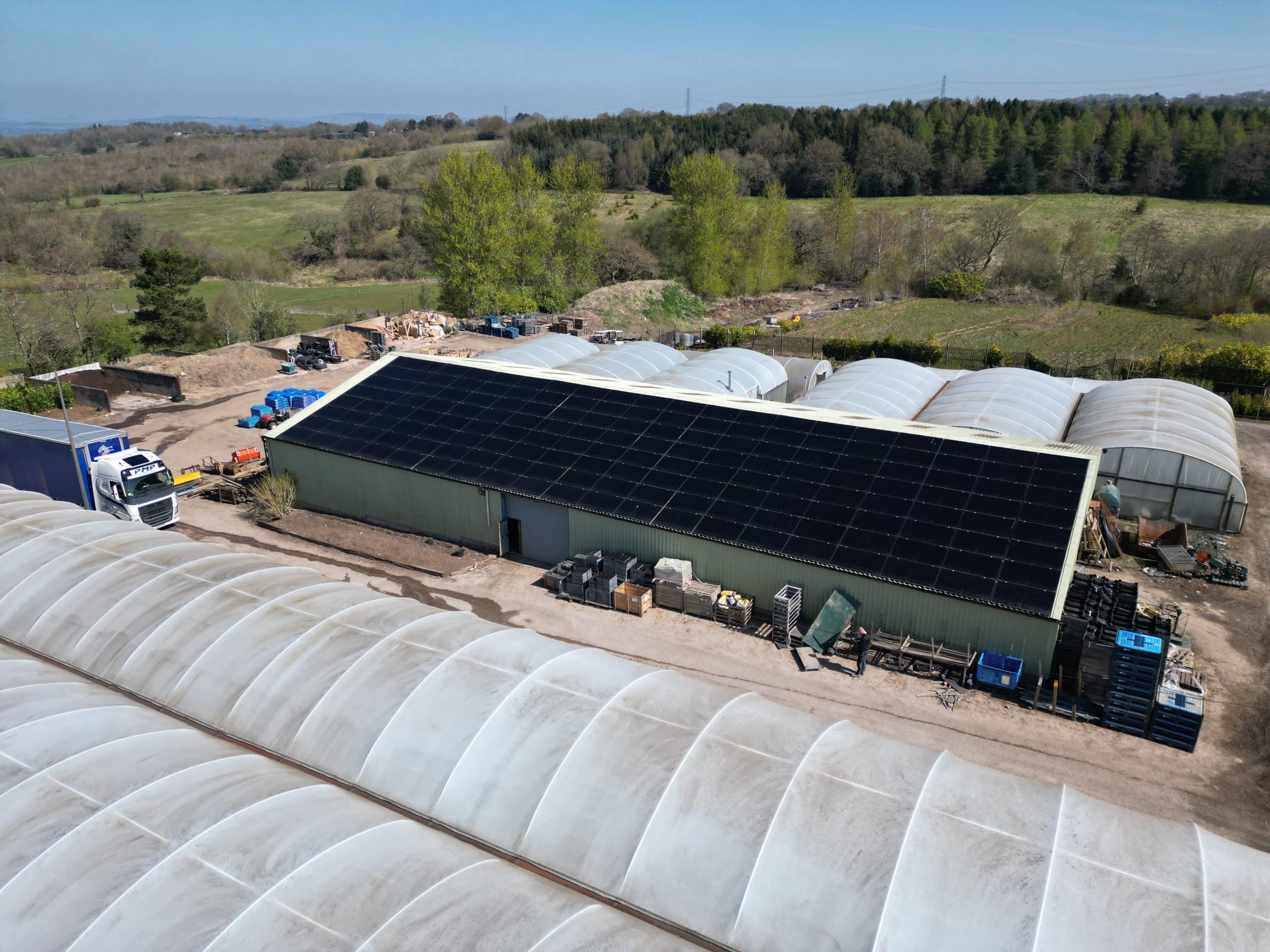
Modern solar panel systems have evolved far beyond simple generate-and-export setups. Today's smart solar installations actively manage energy flow, predict consumption patterns, and optimise performance automatically—delivering better returns with minimal owner involvement.
This guide explores every form of solar automation available in the UK market, explaining what each technology does, where it adds genuine value, and when simpler solutions might serve you better. We'll cover everything from mechanical tracking systems to AI-powered energy management, giving you the knowledge to make informed decisions about automated solar for your property.
Ready to Explore Smart Solar Options?
Discuss automated solar solutions tailored to your home or business with our expert team.
Get Your Free Quote Contact Our TeamWhat Does Automated Solar Actually Mean?
When people search for "automated solar panels," they're typically looking for one of three distinct technologies. Each serves different purposes and suits different property types, so understanding the distinctions helps you identify what's actually relevant to your situation.
The Three Categories of Solar Automation
Solar Tracking Systems
Motorised mounts that physically rotate panels to follow the sun's path, maximising direct exposure throughout the day
Smart Energy Management
Intelligent systems controlling power flow between panels, batteries, appliances, and grid—optimising value automatically
Automated Monitoring
Cloud-connected platforms providing real-time performance data, fault detection, and remote system management
For most UK homes and businesses, smart energy management delivers the greatest practical benefit. Solar tracking suits specific commercial applications, whilst automated monitoring has become standard across quality installations. Understanding how solar panel efficiency works helps contextualise where solar panel automation UK technology adds most value.
How Solar Automation Has Evolved
Early solar installations operated on a simple principle: panels generated electricity, and whatever you didn't use immediately was exported to the grid. Owners had no real-time visibility and no control over energy flow.
Modern intelligent solar energy systems UK are fundamentally different. Connected inverters communicate with batteries, smart appliances, and energy tariffs in real-time. Software algorithms predict generation and consumption, automatically directing power where it delivers maximum financial benefit. This shift from passive generation to active automated energy management solar UK represents the most significant advancement in residential and commercial solar technology.
Key Insight
Automation is increasingly standard rather than optional. Most quality inverters now include smart monitoring and basic energy management as standard features, with advanced automation available through battery storage integration and smart tariff compatibility.
Solar Tracking Systems: Automation That Follows the Sun
Automated solar tracking systems UK represent the most literal interpretation of "automated solar panels"—systems where the panels themselves physically move to maintain optimal sun exposure throughout the day.
How Solar Tracking Works
Single-axis trackers rotate panels from east to west, following the sun's daily journey across the sky. Motors adjust panel angle throughout daylight hours based on time and calculated sun position.
Dual-axis trackers add vertical adjustment, accounting for seasonal changes in sun elevation. This additional axis maximises exposure year-round but adds mechanical complexity.
Tracking systems can increase energy yield by 20-35% compared to fixed installations, capturing more direct sunlight hours and reducing the efficiency losses that occur when light hits panels at oblique angles.
Where Solar Tracking Makes Sense in the UK
Tracking technology suits specific applications rather than general use:
- Large ground-mount commercial installations where the yield increase justifies additional infrastructure requirements
- Agricultural settings with available land and high energy demands, such as solar for farms and agricultural businesses
- Utility-scale solar farms where marginal efficiency gains multiply across thousands of panels
- Specific industrial applications requiring maximum generation from limited ground area
Limitations of Solar Tracking in the UK
Tracking systems rarely suit UK rooftop installations for several practical reasons:
- Space requirements: Trackers need clearance for movement, impractical on most roofs
- Weight considerations: Motorised mounts significantly increase structural loading
- Maintenance demands: Moving parts require servicing that fixed systems don't
- Diminished returns: UK's diffuse light conditions reduce tracking advantages compared to sunnier climates
- Planning complications: Moving structures may require permissions fixed panels don't
For most properties, professionally optimised fixed installations deliver better value. A well-designed static system with optimal orientation and tilt captures sufficient energy without tracking complexity. Learn more about solar panel installation best practices to understand how fixed systems are optimised.
Smart Energy Management: The Most Valuable Form of Solar Automation
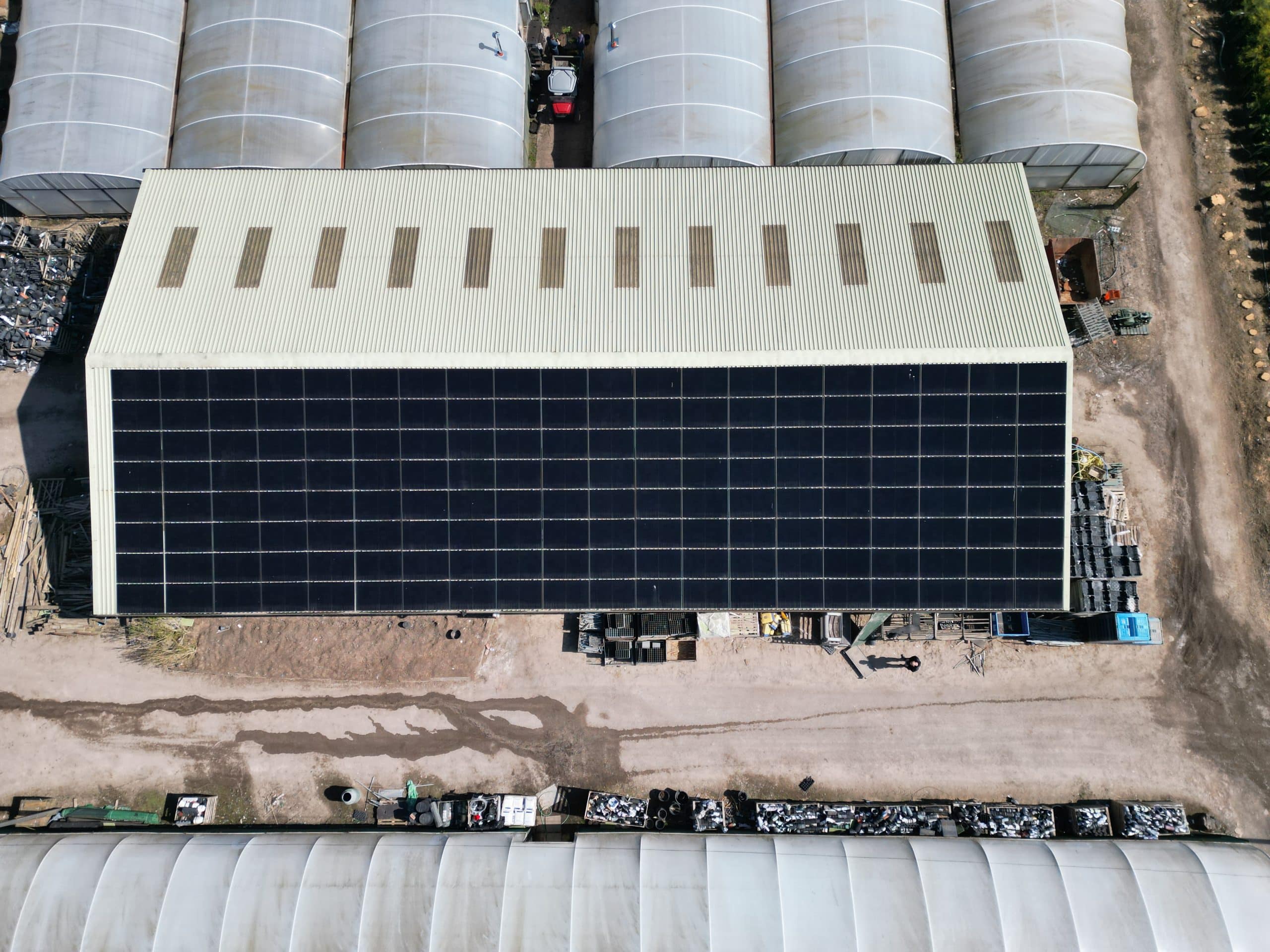
For the majority of UK homes and businesses, automated solar energy management UK represents the most beneficial form of automation. Rather than moving panels, these systems intelligently manage the electricity your panels produce through automated solar power optimisation UK technology.
What Smart Energy Management Does
Smart energy management systems continuously monitor and optimise three key elements:
- Real-time solar generation: How much power your panels are currently producing
- Consumption patterns: What your property is using and when demand peaks
- Battery state: Charge levels and optimal charging/discharging timing
The system automatically directs solar power where it delivers most value—charging batteries during peak generation, powering high-consumption appliances when solar is plentiful, and minimising grid export when self-consumption offers better returns. Solar panel smart controls UK enable this level of intelligent operation.
How Smart Inverters Enable Automation
The inverter sits at the heart of any smart solar system. A modern automated solar inverter UK combines solar conversion, battery management, and grid interaction in a single intelligent unit.
Key capabilities include:
- Dynamic power routing: Automatically directing generation to batteries, home loads, or grid export based on real-time conditions
- Export limiting: Managing grid feed-in to comply with DNO requirements or optimise tariff returns
- Remote updates: Firmware improvements delivered over-the-air, adding features without hardware changes
- Tariff integration: Responding to time-of-use electricity pricing automatically
Understanding next-generation solar technology helps appreciate how rapidly these capabilities are advancing.
Automated Battery Charging and Discharging
Battery storage transforms solar automation possibilities. Automated solar battery storage UK systems automatically:
- Charge from solar during peak generation hours when panels produce more than immediate demand
- Discharge stored energy during evening peak periods when grid electricity costs most
- Optimise for tariffs like Octopus Agile, charging from grid during cheap overnight periods
- Respond to forecasts, pre-charging batteries when cloudy weather is predicted
For commercial battery storage installations, automation extends to demand management, peak shaving, and grid services participation.
Smart Home and Building Integration
Solar automation increasingly connects with broader smart home and building systems:
- EV charging: Smart EV chargers automatically divert surplus solar to your vehicle
- Heat pumps: Scheduling heating to coincide with solar generation peaks
- Appliances: Dishwashers, washing machines, and immersion heaters triggered by surplus power
- Building management: Integration with HVAC and lighting systems in commercial buildings
Maximise Your Solar Generation
Smart energy management can significantly improve your self-consumption. Let's discuss the right automation level for your property.
Request Free AssessmentAutomated Solar Monitoring and Performance Management
Solar panel monitoring automation UK has become standard across quality installations, but the sophistication of automated monitoring features varies significantly between systems. A smart solar monitoring system UK provides continuous oversight without manual intervention.
Real-Time Performance Monitoring
Cloud-connected monitoring platforms provide continuous visibility into system performance:
- Live generation data: Current output in watts, daily/monthly/annual totals in kWh
- Consumption tracking: Understanding when and how energy is used
- Export monitoring: Tracking grid feed-in for Smart Export Guarantee payments
- Historical analysis: Comparing performance across seasons and years
This solar panel performance automation UK data proves invaluable for verifying system performance and identifying issues early. Our solar panel maintenance and monitoring services leverage these platforms to ensure your system performs optimally.
Automated Fault Detection
Modern monitoring systems automatically identify problems that would otherwise go unnoticed:
- String failures: Detecting when a series of panels underperforms
- Inverter errors: Alerting to fault codes and communication issues
- Panel-level issues: Systems with microinverters or optimisers identify individual panel problems
- Connection interruptions: Flagging communication losses that might indicate broader issues
Automated alerts notify both system owners and installers, enabling rapid response that minimises generation losses. Understanding common solar panel problems helps appreciate the value of automated detection.
Remote Access and Control
Solar panel remote monitoring UK enables management via smartphone apps and web portals:
- Battery settings: Adjusting charge/discharge schedules without visiting the property
- Export limits: Modifying grid feed-in parameters remotely
- Installer access: Allowing technical support without on-site visits
- Multi-site management: Monitoring portfolios from a single dashboard
For landlords and businesses with multiple solar installations, remote management dramatically reduces oversight burden.
Automated Solar Panel Cleaning Systems
Automated solar panel cleaning UK represents a niche but relevant category of solar automation, primarily for large commercial installations.
How Automated Cleaning Works
Robotic cleaning systems traverse panel arrays automatically, removing dust, bird droppings, and accumulated soiling that reduces output. These systems typically operate on:
- Scheduled programmes: Cleaning at set intervals regardless of soiling level
- Sensor-triggered cleaning: Activating when detected soiling exceeds thresholds
- Weather-responsive timing: Scheduling around rainfall and optimal conditions
Understanding solar panel cleaning best practices helps evaluate when automation makes sense.
When Automated Cleaning Is Worth Considering
Automated cleaning systems suit specific scenarios:
- Large commercial arrays where manual cleaning requires specialist access equipment
- Agricultural installations in dusty environments with high soiling rates
- Properties with difficult access where scaffolding makes manual cleaning impractical
- High-output installations where even small efficiency losses significantly affect performance
For most residential and smaller commercial installations, professional periodic maintenance is typically more practical than automated cleaning systems.
Automated Solar for Homes
Homeowners benefit most from smart energy management automation rather than mechanical systems like tracking or robotic cleaning.
Smart Solar Systems for Homeowners
A typical smart home solar system UK combines smart solar energy system home UK technology with practical components:
- Solar panels: Appropriately sized for roof space and consumption
- Hybrid inverter: Managing solar, battery, and grid interaction intelligently
- Battery storage: Capturing surplus generation for evening use
- Smart monitoring: App-based visibility and control
- Optional EV charging: Automated surplus diversion to electric vehicles
This combination maximises self-consumption automatically, requiring minimal owner input after professional configuration. For guidance on system selection, explore our homeowner's guide to solar panels.
Popular Home Automation Platforms
AI solar energy management UK platforms have transformed how homeowners interact with their systems:
| Platform | Key Automation Features | Tariff Integration | Best For |
|---|---|---|---|
| GivEnergy | Battery scheduling, EV diversion, consumption priority | Octopus Agile, Intelligent Go | Flexible, feature-rich automation |
| Tesla Powerwall | Storm Watch, self-consumption optimisation, backup power | Tesla Energy Plan | Fully integrated ecosystem |
| SolarEdge | Panel-level optimisation, smart EV charging, backup | Various via app | Shaded roofs, panel-level monitoring |
| Huawei FusionSolar | AI generation prediction, battery optimisation | Various via app | Large residential systems (note: UK supply may be limited) |
What Homeowners Can Realistically Expect
Automated systems work quietly in the background with minimal day-to-day involvement required. After professional installation and configuration:
- Self-consumption optimises automatically based on generation and demand patterns
- Battery charging responds to tariffs without manual scheduling
- Alerts notify you of issues before they impact performance significantly
- Periodic review as your consumption changes (new EV, heat pump, etc.) ensures settings remain optimal
Choosing the right installer ensures proper configuration from day one. Our expert installation services include comprehensive automation setup.
Automated Solar for Businesses and Commercial Properties
Commercial solar installations benefit from solar automation for businesses UK features specifically designed for business energy management.
Energy Management Systems for Commercial Solar
Business-grade automation typically includes:
- Building Energy Management System (BEMS) integration: Connecting solar with HVAC, lighting, and process equipment
- Demand response: Automatically reducing consumption during grid stress periods
- Peak shaving: Using battery storage to reduce maximum demand charges
- DUoS charge optimisation: Automated response during red-band distribution charge periods
For manufacturing facilities and commercial buildings, these features deliver substantial benefits beyond basic generation.
Benefits for Facilities and Operations Managers
Centralised Visibility
Single dashboard showing performance across all sites, systems, and energy sources
Automated Reporting
ESG compliance, carbon tracking, and energy audit documentation generated automatically
Reduced Manual Oversight
Systems manage themselves, alerting only when intervention is needed
Performance Accountability
Data-driven verification that systems deliver predicted returns
Businesses across multiple sectors benefit from these capabilities, from retail operations to office buildings and educational institutions.
Automation for Landlords and Property Portfolios
Property owners with multiple solar installations face unique management challenges that automation addresses:
- Remote monitoring: Verifying performance without site visits
- Tenant reporting: Demonstrating solar benefits for lease negotiations
- Maintenance coordination: Automated alerts triggering service responses
- Portfolio analytics: Comparing performance across properties to identify underperformers
When Does Solar Automation Make Sense?
The value of automation depends on your specific circumstances. Understanding where smart features deliver the greatest benefits helps you make informed decisions.
Where Automation Adds Clear Value
Scenarios Where Smart Features Excel
- Battery systems: Automation is essential—manual battery management is impractical
- Time-of-use tariffs: Automated tariff response maximises the benefit of variable rate electricity
- High self-consumption properties: Optimisation ensures maximum usage of every kWh generated
- Remote properties: Monitoring prevents unnoticed faults from reducing system performance
- Multi-site portfolios: Centralised management enables efficient oversight across properties
For detailed analysis of automation options, our smart solar guide covers the considerations comprehensively.
When Basic Solar Is Sufficient
Not every installation requires full automation:
- Simple residential systems with predictable daytime consumption may not benefit significantly
- Properties without battery storage have fewer optimisation opportunities
- Retrofit-ready systems: Basic installations can add automation later when needs change
Comparing different solar panel options helps you understand the full range of system configurations available.
Future-Proofing with Automation
Choosing smart-ready equipment now ensures compatibility with emerging technologies:
- Vehicle-to-grid (V2G): Emerging technology using EV batteries for home backup and grid services
- Peer-to-peer trading: Local energy markets enabling direct sale to neighbours
- Grid services: Revenue from providing frequency response and demand flexibility
- Software improvements: Smart systems gain capabilities through updates without hardware changes
Choosing the Right Automated Solar System
Key Questions to Ask Your Installer
- What monitoring platform is included and what data does it provide?
- Does the inverter support battery storage addition now or in future?
- Can the system integrate with time-of-use tariffs like Octopus Agile?
- What automation features are included versus optional extras?
- How does the system connect with existing smart home devices?
- What ongoing support and monitoring is included post-installation?
- Can settings be adjusted remotely if my energy use changes?
What to Look for in an Automated Solar Installer
Quality automated solar installation requires specific expertise:
- Platform experience: Familiarity with major smart inverter and battery systems
- Tariff knowledge: Understanding time-of-use optimisation and grid interaction
- Integration capability: Experience connecting solar with EV chargers, heat pumps, and building management
- Ongoing support: Monitoring and optimisation services beyond initial installation
- MCS certification: Essential for quality assurance and incentive eligibility
Spectrum Energy Systems has delivered smart solar solutions since 2011, with particular expertise in automated commercial and domestic installations across the East Midlands. Learn more about our team and experience or explore our completed solar projects.
Frequently Asked Questions
Automated solar panels refers to solar systems incorporating smart technology for autonomous operation. This includes solar tracking systems that follow the sun, smart energy management that optimises power flow between panels, batteries and appliances, and automated monitoring that detects faults and reports performance without manual intervention.
Yes, all solar panels generate electricity automatically when sunlight hits them. However, "automated solar" typically refers to additional smart features like intelligent battery charging, consumption optimisation, and performance monitoring that maximise value without requiring manual management.
Yes, with the right setup. Smart EV chargers integrated with solar inverters can automatically divert surplus solar generation to your electric vehicle. Systems like Zappi, Ohme, and integrated solutions from GivEnergy and SolarEdge enable automated solar EV charging.
A smart solar inverter converts DC power from panels to AC for home use whilst also providing intelligent energy management. Smart inverters monitor generation, consumption and battery state in real-time, automatically optimising power flow and enabling features like time-of-use tariff integration and remote monitoring.
Often yes. Adding a smart battery system with hybrid inverter can introduce automation to existing installations. Retrofit monitoring systems, smart export diverters, and energy management devices can also add automated features to older solar arrays.
Solar tracking systems use motors to rotate panels following the sun's path, increasing energy yield by 20-35%. However, the mechanical complexity and UK's diffuse light conditions mean tracking typically suits large ground-mount commercial installations rather than residential rooftops.
Yes, most modern solar systems integrate with popular smart home platforms. GivEnergy, SolarEdge, and Tesla systems work with smart tariffs like Octopus Agile, whilst broader home automation integration is available through platforms and APIs enabling automated appliance control.
Most modern inverters include cloud-connected monitoring accessible via smartphone apps. Platforms like GivEnergy Portal, SolarEdge Monitoring, Huawei FusionSolar, and Tesla app provide real-time generation data, consumption tracking, and automated performance alerts from anywhere.
Standard grid-tied systems shut down during power cuts for safety. However, battery systems with backup functionality can automatically switch to stored power, maintaining supply to essential circuits. This requires specific inverter capability and installation configuration.
Automation Makes Solar Work Harder for You
Modern solar automation transforms passive generation into active energy management. Whether you're considering a new installation or upgrading an existing system, understanding what automation actually delivers helps you make informed decisions.
Key takeaways:
- Smart energy management delivers the greatest value for most UK properties
- Solar tracking suits specific large-scale commercial applications
- Automated monitoring has become standard across quality installations
- Battery storage unlocks the full potential of automation
- Future-proofing with smart-ready equipment ensures long-term compatibility
The right level of automation depends on your property, consumption patterns, and goals. Some installations benefit enormously from comprehensive smart management; others perform well with simpler setups. What matters is matching technology to your specific requirements.
Spectrum Energy Systems has been designing and installing solar solutions since 2011, helping homes and businesses across the East Midlands and beyond achieve their energy goals. Our MCS-accredited team understands both the technology and the practical considerations that determine what actually works for each property.
Discover Your Automated Solar Options
Ready to explore what smart solar automation could deliver for your property? Our expert team will assess your requirements and recommend the right approach—from straightforward monitoring to comprehensive energy management.
Get Your Free Quote Read Business Solar GuideFor more information on solar technology and installation options, explore our ultimate guide to installing solar PV, learn about funding solutions for solar energy, or browse our complete article library for detailed guidance on solar systems.