
Renting Your Roof: Solar Roof Leases for Commercial Landlords
Solar developers will pay rent for big commercial roofs, taking a lease of 20 to 40 years, installing their own array, and keeping the generation income. For the building owner it is hands-off money from an idle asset; the honest catches are that the rent is a small fraction of what the same roof earns owned, the lease binds the title through every future sale and refinancing, and reroofing under someone else's power station needs contractual machinery agreed on day one. Roofs worth renting are usually worth more self-invested, so price both routes before signing either.
In This Guide
How roof rental works
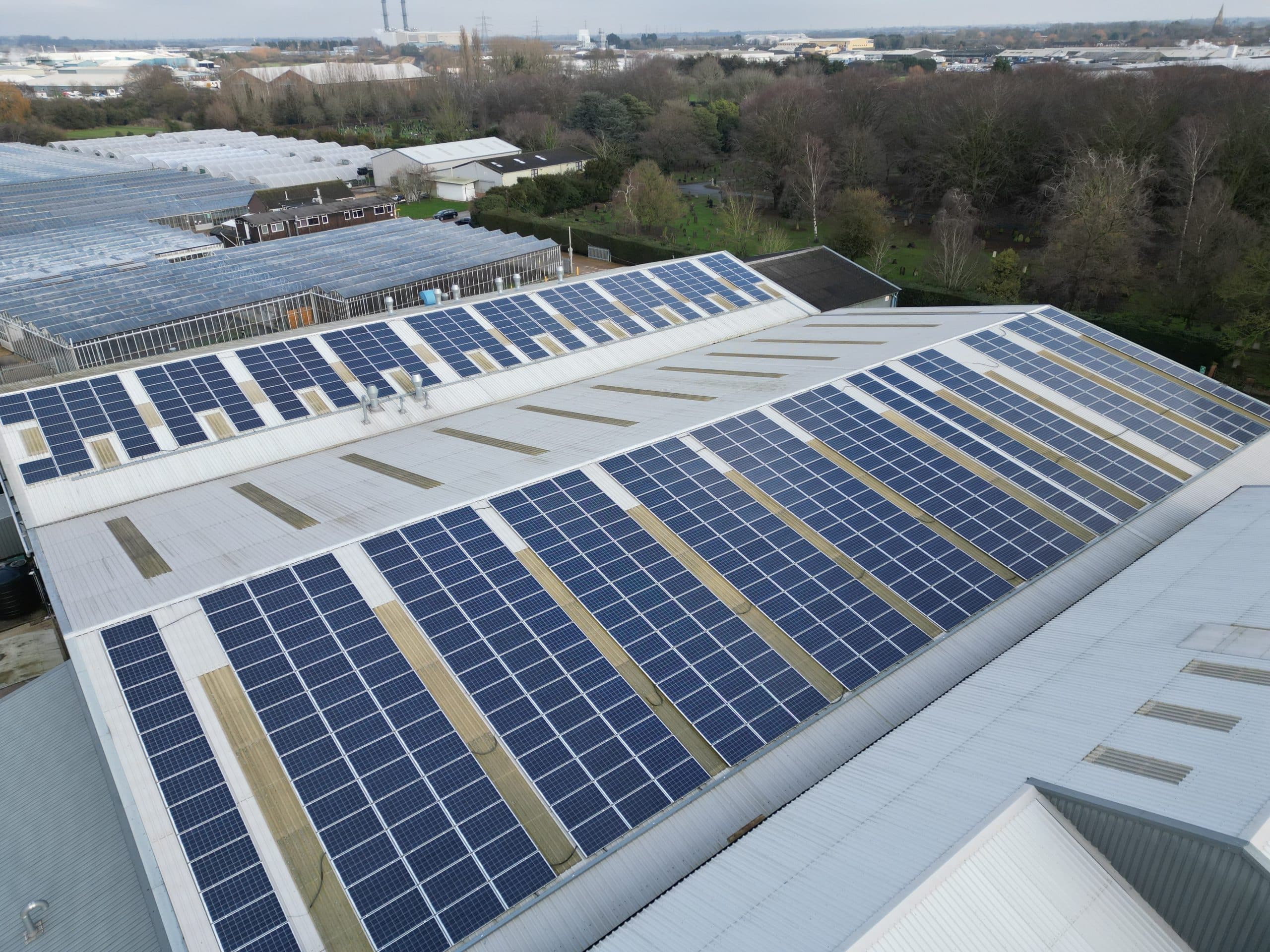
The model is property letting applied to airspace: a developer identifies buildings with large, sound, unshaded roofs near grid capacity, warehouses like the one pictured, distribution sheds, factories, and offers the owner a lease over the roof. The developer funds and owns the array, sells its output, to the grid, or to the building's occupier under a power purchase arrangement, and pays the owner rent for the privilege. The owner's obligations are mostly passive: keep the building standing, provide access, and live with the lease's terms for decades. It is the commercial sibling of the domestic rent-a-roof schemes, professionally funded and, usually, better drafted, and a close cousin of the PPA model, differing mainly in whether the building buys the power or just banks the rent.
What the rent is really worth
Roof rents are quoted per usable area or per installed capacity, and the honest characterisation across the market: modest. The developer carries the capital, the operation and the market risk, so the owner's slice is priced accordingly, a dependable but small income line, worthwhile on a roof the owner would never otherwise invest in. What moves the offer up: scale (developers want big roofs, small ones rarely attract terms worth reading), a strong grid connection nearby, a long-tenure owner, and a sound roof with decades of life left, since nobody rents a roof they may soon be lifted off. What the rent never approaches is the value of the electricity above your head, which is the comparison the last section forces.
The clauses that matter
- Term and the title20 to 40 years registered against the building. Every future sale, refinancing and valuation inherits it; well-drafted leases with institutional-standard protections pass lender scrutiny, poor ones haunt transactions.
- Reroofing machineryThe roof under the array will need work within a 40-year term. Who lifts and reinstates the panels, at whose cost, on whose timetable, belongs in the lease in detail, not in goodwill.
- Rent review mechanismFixed, indexed or stepped; over four decades the mechanism matters more than the starting figure.
- Assignment and funder changesDevelopers sell projects on routinely; the lease should keep your protections intact through every change of hands.
- Decommissioning securityA bond or parent guarantee ensuring the array leaves at term end at the funder's cost, whoever owns the project by then.
- Insurance and liability splitWhose policy covers what on a roof carrying someone else's plant.
Specialist property solicitors have seen all of these; the owners who regret leases are almost always the ones who signed without one.
The landlord-tenant wrinkle
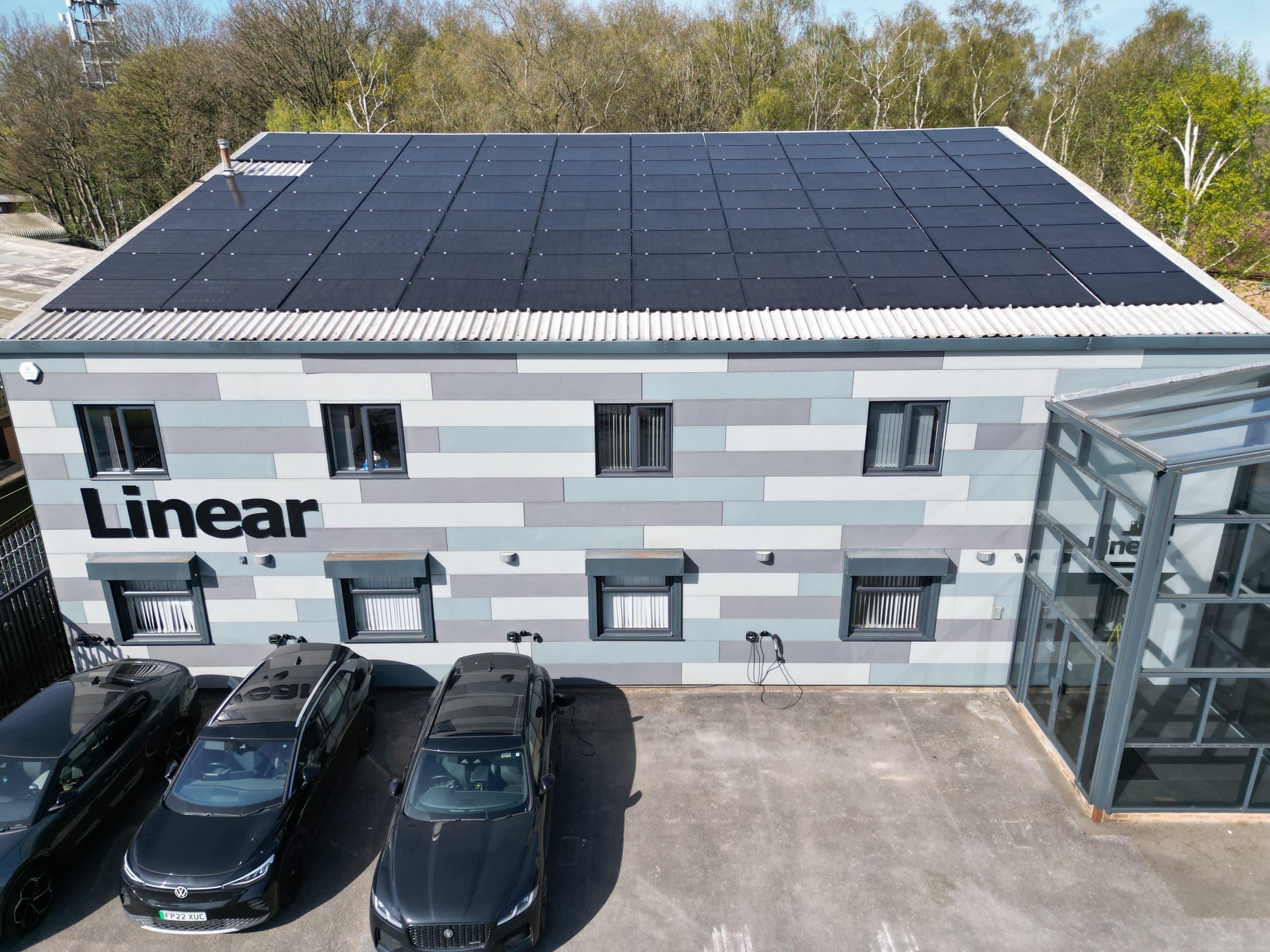
Multi-let and tenanted buildings add a layer: the occupier uses the electricity, the owner controls the roof, and the lease structure decides who benefits. The workable patterns are established, the developer sells power to the tenant under a PPA while paying the owner rent, or the owner takes rent alone while the array exports, but occupier consent, service-charge interactions and what happens at tenancy changes all need drafting attention. Owners whose tenants have big daytime loads should notice something before signing anything: that consumption is exactly what makes an owner-funded array pay best, which leads to the comparison every roof owner should run.
Renting vs owning the array
| Factor | Rent the roof out | Own the array |
|---|---|---|
| Capital required | None | Full, or financed per the finance routes |
| Income | Modest rent, decades of it | The full generation value: bills cut, exports kept, payback in circa 4 years on well-matched buildings |
| Tax position | Rental income | Capital allowances + the rates exemption to 2035 |
| Title | Bound for 20 to 40 years | Clean; the kit is yours |
| Best for | Owners who will never deploy capital on the roof | Almost everyone who could |
Our position as an installer is predictable and we hold it anyway: on buildings with real daytime consumption, owning the array returns several times what renting the roof pays, and the finance routes mean "no capital" rarely has to mean "no ownership". Where renting genuinely fits, absent owner appetite, capital fully committed, a roof the business will leave, get the lease lawyered properly and enjoy the income. Just make the choice with both numbers on the table.
Developer knocking, or wondering what your roof is worth?
Free commercial design and quote: we model what your roof earns owner-funded, real generation and payback numbers, so you can weigh any lease offer against the alternative it competes with. Call 0115 773 7575, 8am to 8pm, Monday to Friday.
Get EstimateFrequently asked questions
How much rent do solar developers pay for roof space?
Modest, honestly: the developer carries the capital and risk, so the owner's rent is a dependable but small income line, quoted per area or installed capacity and improved by scale, grid proximity and roof condition. It never approaches the value of the generation itself, which is the comparison to run before signing.
What roofs do solar developers want to rent?
Large, sound, unshaded commercial roofs with decades of life left, near usable grid capacity: warehouses, distribution sheds, factories. Small or ageing roofs rarely attract terms worth reading, and every developer surveys the roof structure and the grid position before offering anything.
Can I reroof under a solar lease?
Only through the machinery the lease provides, which is why the removal-and-reinstatement clause, who lifts the panels, at whose cost, on whose timetable, deserves legal attention before signing rather than negotiation from need when the roof leaks in year twelve.
Does a roof lease affect selling the building?
The lease binds the title, so buyers and their lenders inherit and scrutinise it. Institutionally drafted leases with standard protections pass; poor ones complicate transactions for decades. Assignment provisions and decommissioning security are the clauses future buyers' lawyers read first.
Is renting my roof better than installing my own solar?
Rarely on the numbers: an owner-funded array on a building with daytime consumption returns several times the rent, helped by capital allowances, the rates exemption and finance routes that remove the capital barrier. Renting fits owners who genuinely will not invest; the mistake is choosing it without pricing the alternative.
Related reading
- Solar PPAs explained for UK businesses
- Commercial solar finance: the four routes
- Commercial solar payback: real numbers
- Stuck in a domestic rent-a-roof lease?
- Solar panels for warehouses
Both sides of the roof, priced honestly
We are Spectrum Energy Systems, MCS certified (NIC200223), designing owner-funded commercial solar across the East Midlands, 10+ MW connected, with the numbers to weigh any developer's offer against. Call 0115 773 7575, 8am to 8pm, Monday to Friday.
Get in touch