
Stuck in a Rent-a-Roof Solar Lease? Your Options
If a company owns the panels on your roof under a 2010s "free solar" lease, you are not trapped, but your options are narrower than you would like and all of them run through the lease document. The realistic menu: buy the lease out (most schemes will quote a figure), negotiate a lender-approved variation when selling or remortgaging, or live with it well, which costs nothing and suits more households than the horror stories suggest. What you should not do is ignore the lease until a house sale or a leaking roof forces the conversation on the worst possible timeline.
In This Guide
What you actually signed
Between roughly 2010 and 2015, "free solar" companies fitted panels at no cost in exchange for a lease over the roof, typically 20 to 25 years, and kept the generous Feed-in Tariff payments the era offered. The householder got the free daytime electricity; the company got the subsidy income; and the lease got registered against the property's title, where it still sits. The scheme mechanics, and why the deals were structured that way, are covered in our free solar panels guide; this article is for the people living with one now. First practical step, always: get a copy of your actual lease, from your own papers, the funder, or the Land Registry, because every option below turns on its specific terms, and the schemes' documents varied widely in quality and fairness.
Where the lease pinches
- Selling the houseBuyers' conveyancers and lenders scrutinise the lease, and older, badly drafted ones slow sales down. Well-drafted leases with standard lender protections usually pass; the paperwork chase is the pain, as our selling guide covers.
- RemortgagingSame scrutiny, same spread: some lenders wave compliant leases through, others demand variations first.
- Roof repairsWork under the array needs the funder's process for panel removal and reinstatement, at whose cost depends on the lease, and the answer is worth knowing before the roof leaks, per our removal guide.
- Home improvementsExtensions and loft conversions touching the roof need the funder's consent, on the lease's timetable rather than your builder's.
Your realistic options
Option 1: buy the lease out
Most funders will quote a surrender figure, after which the panels are yours, the FiT income moves to you for the scheme's remaining years, and the title is clean. Whether the price makes sense depends on the remaining term and the FiT income you would inherit, which is genuine money on those old tariffs. Worth pricing properly rather than assuming either way.
2: negotiate a variation when a transaction forces it
Where a sale or remortgage stalls on lease terms, funders routinely agree deeds of variation bringing old leases up to the lender-protection standards the mortgage industry expects. Your conveyancer drives this; the funders have done it many times; and it is usually faster than the first refusal letter makes it feel.
3: live with it well
Free daytime electricity for the lease's remaining years is not nothing, and a household that uses the sunshine hours deliberately extracts real value from someone else's panels. No cost, no lawyers; details below.
What is rarely realistic: unilateral removal
The panels are the funder's property and the lease is binding; removing them without agreement is a breach with legal consequences. Frustration is understandable, but the exit routes are the two above, not the ladder.
The buyout route in practice
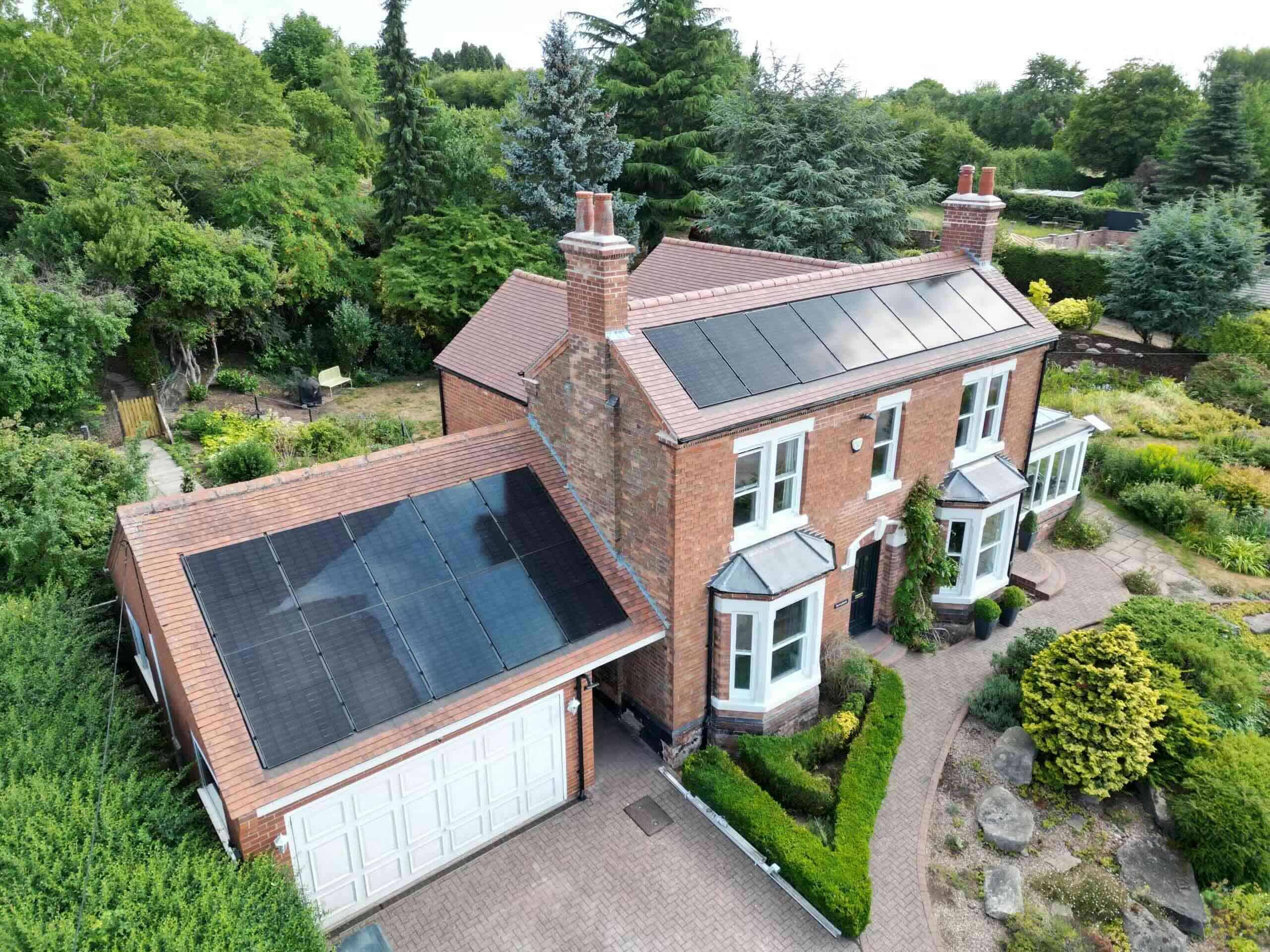
The sequence that works: request the surrender figure in writing from the funder (schemes have changed hands, so the current owner of your lease may not be who you signed with, the Land Registry entry names them); set the quote against the remaining FiT income and term, an accountant-minded friend or adviser helps here; and have a solicitor handle the surrender documentation so the title genuinely comes back clean. Post-buyout, the system is simply yours, an owned array like the one pictured, and worth a health check at that point: many scheme systems have had minimal servicing, and a decade-old inverter may be near the end of its natural life. We service and upgrade ex-scheme systems regularly, whoever originally fitted them.
Living with it well
If the lease stays, extract the value it does offer. The free electricity flows while the sun shines, so shift what you can into daylight hours: washing, dishwasher, immersion timers, EV charging if a car sits at home. Know your lease's maintenance obligations, generation is the funder's income, so genuinely broken systems are theirs to fix, and reporting faults promptly is in your interest too. Keep the funder's contact details current through the scheme's changes of ownership. And diarise the end date: leases end, the documents say what happens to the panels then, and a household that knows its lease has five years left plans differently from one that never checked. For buyers inheriting these leases mid-purchase, our buyer's guide covers that side of the fence.
Bought out, or lease ended, and the system needs attention?
We inspect, service and upgrade ex-scheme solar systems across the East Midlands, whoever originally installed them. Call 0115 773 7575, 8am to 8pm, Monday to Friday.
Maintenance and supportFrequently asked questions
Can I get out of a rent-a-roof solar lease?
Usually yes, by buying it out: most funders quote a surrender figure, after which the panels and any remaining FiT income are yours and the title is clean. Whether the price stacks up depends on the remaining term and tariff income, so get the quote and do the sums before deciding.
Can I sell my house with a rent-a-roof lease on it?
Yes, thousands have: buyers inherit the lease and the free daytime electricity with it. Well-drafted leases with standard lender protections pass conveyancing; older ones sometimes need a deed of variation the funder can provide. Start the paperwork early rather than mid-chain.
Who fixes the panels under a rent-a-roof scheme?
The funder, in almost all leases: the generation is their income, so the system's health is their responsibility, and faults should be reported to them promptly. If the scheme has changed hands and you cannot find the current owner, the Land Registry entry against your title names them.
What happens when the solar lease ends?
The lease document specifies it, commonly the panels transfer to the homeowner or are removed at the funder's cost. Check your own terms and diarise the date: a system transferring to you at term end is worth a professional health check, since scheme systems often ran with minimal servicing.
Can I remove rent-a-roof panels myself?
No, they are the funder's property under a binding lease, and unilateral removal is a breach with real legal consequences. Roof repairs needing temporary removal go through the lease's process; permanent removal happens by agreement, usually as part of a buyout or at term end.
Related reading
- Free solar panels: the truth about the schemes
- Selling a house with solar panels
- Buying a house with solar panels
- Removing panels for roof repairs
- How long do solar inverters last?
Systems serviced whoever fitted them
We are Spectrum Energy Systems, MCS certified (NIC200223), servicing and upgrading solar across the East Midlands since 2011, including ex-scheme systems after buyouts and lease ends. Call 0115 773 7575, 8am to 8pm, Monday to Friday.
Get in touch