Why Are People Removing Their Solar Panels?
Mostly they are not: removals are a tiny sliver against more than a million UK systems. Where panels do come off, the common reasons are roof work, failed kit from cut-price installs, defunct installers leaving faults unfixed, and rent-a-roof lease disputes. Nearly every one is fixable short of removal, usually for far less than the generation being thrown away.
In This Guide
The real reasons, ranked honestly
This question comes straight out of the scarier corners of the internet, so let us deal in what we actually see. Spectrum services and takes over systems across the East Midlands, including plenty fitted by other companies, and requests to permanently remove working panels are genuinely rare. What does happen, in rough order of frequency:
| Reason | How often we see it | Avoidable? |
|---|---|---|
| Temporary removal for roof repairs or re-roofing | Common, and panels go back up after | Not removal at all, just sequencing |
| Failed kit on a cut-price install, owner gives up | Occasional | Almost always repairable for less than removal |
| Installer gone bust, faults never fixed | Occasional | Yes: takeover servicing exists |
| Rent-a-roof lease disputes during a sale | Occasional | Usually negotiable without touching the roof |
| Working system removed because the owner soured on it | Rare | Usually a fixable expectation or fault issue underneath |
Roof work: removal that is not really removal
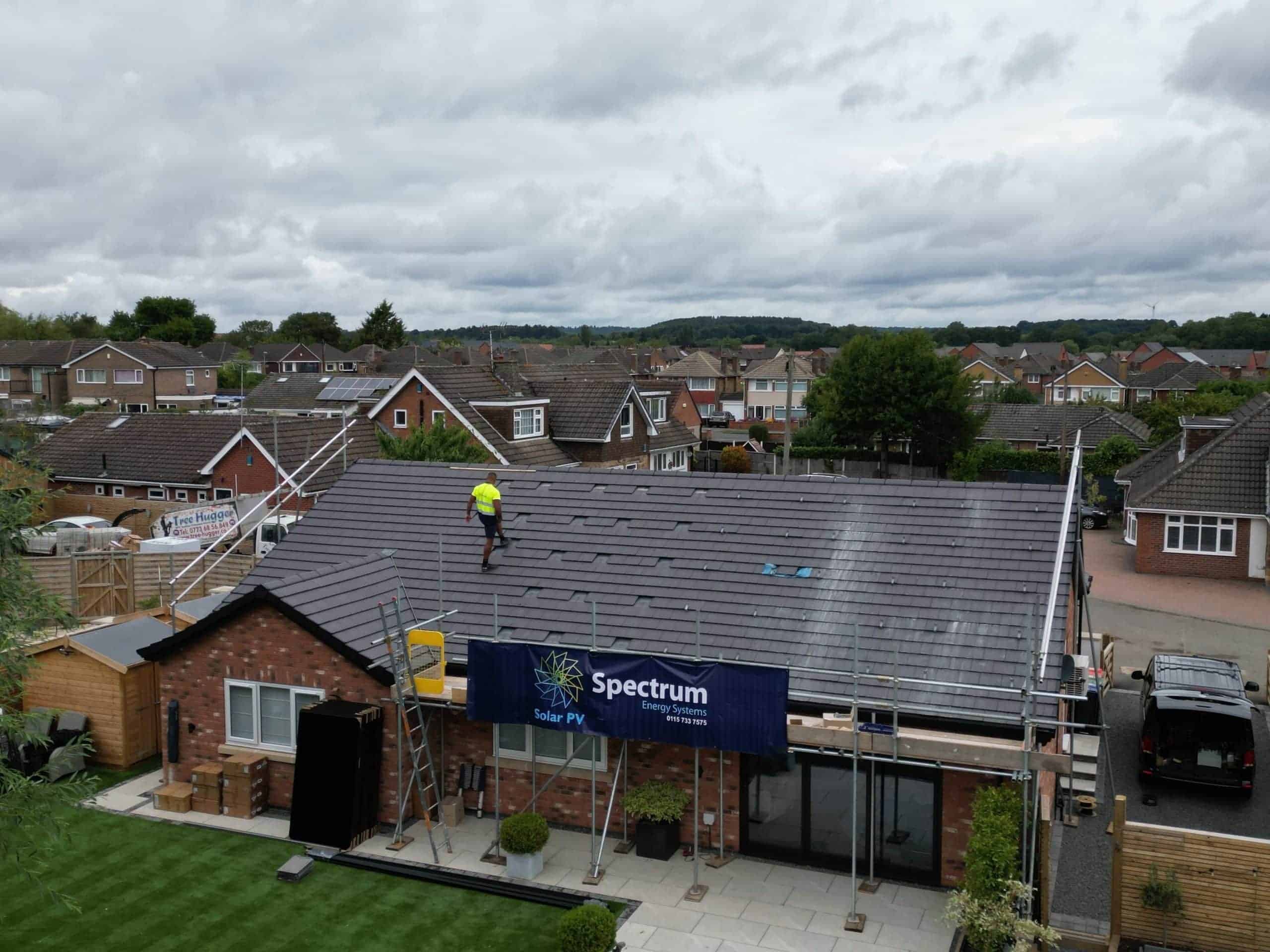
The single most common reason panels come off a roof is the roof itself: re-roofing, chimney work, structural repairs. The panels are removed, stored safely, and refitted once the roofer is done, often within the same scaffold hire, which is the cost-efficient way to sequence it.
Handled properly this is routine. Handled badly, by a roofer disconnecting live DC strings or stacking panels loose in a garden, it creates the horror stories. Use an MCS installer for the electrical disconnection and refit, let the roofer do the roof, and coordinate the scaffold between them. We do removal and reinstallation jobs regularly and the panels neither know nor care.
Broken systems and dead installers
Here is the pattern behind most genuine disillusionment: a system bought cheap in the boom years develops a fault, the installing company no longer exists, the owner gets quoted silly money by a national chain or cannot find anyone willing to touch another firm's work, and after a year of a dead system on the roof, removal starts to feel like closure.
Every step of that chain has a better exit. Diagnosing a dead system is usually quick: failed inverters, blown DC fuses and connector faults account for most of it, and an inverter swap costs a fraction of removal plus reinstatement. Orphaned systems are exactly what takeover servicing exists for, and our problems guide walks the common faults. A roof full of silent panels is not a verdict on solar; it is one repair invoice away from generating again.
Rent-a-roof regrets
The free-panels lease schemes of 2010 to 2015 produce a steady trickle of removal enquiries, usually mid-house-sale when a buyer's lender balks at the lease. The panels are not the problem; the contract is, and ripping panels off a roof you do not own the rights to breaches it. The workable routes are contractual: the panel company's lender-approved information pack, lease variations, or negotiating a buyout that transfers ownership to you. We cover the whole mess in the selling with solar guide, and a solicitor beats an angle grinder every time.
Why some people cancel before install
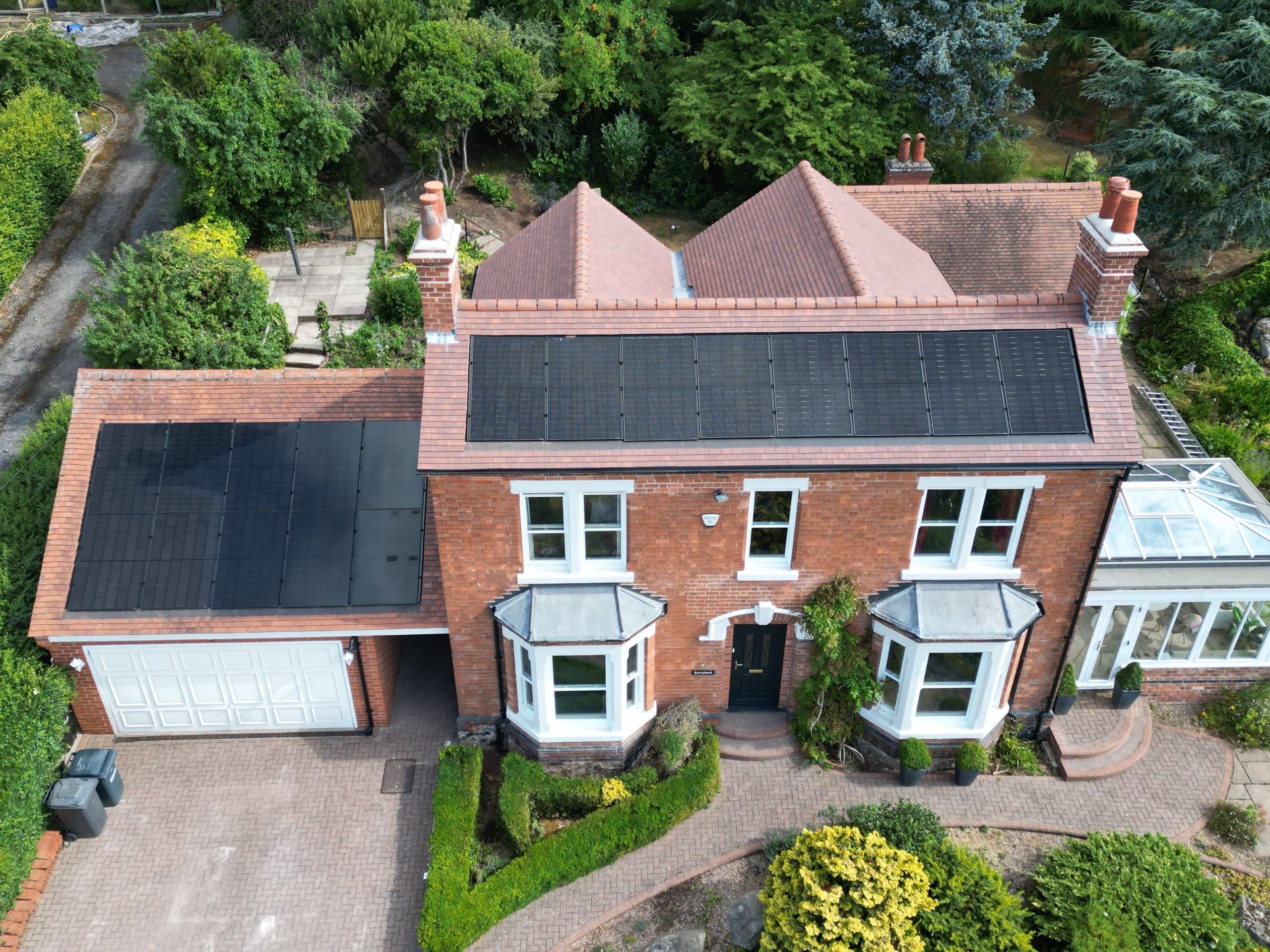
The related search, why people cancel solar orders, has less dramatic answers: quotes that ballooned after a survey, pressure-sales regret in the cooling-off period, and finance falling through. All three point at the same buying advice. Get the survey before you sign anything meaningful, never buy from urgency, and treat a price that changes dramatically as the warning it is. A system like the one pictured gets installed once, priced once, and stays put for decades, which is what buying properly looks like. Our guide to choosing an installer covers the tells.
Before you remove anything
1. Get a diagnosis, not a removal quote
An hour's inspection names the actual fault and its repair cost. Most dead systems are one component away from working.
2. Price the repair against what removal really costs
Removal means scaffold, electrical decommissioning, roof making-good where fixings were, and losing decades of generation. It is rarely the cheap option it sounds.
3. Check what you would be giving up
A repaired 4kWp system still offsets hundreds of pounds a year at current rates. Removal locks in paying full price for every kWh, forever.
4. If it must come off, do it properly
Live DC work, WEEE routing for the panels, and certification for the electrical changes. Never let a general builder simply unbolt it.
Dead system? Get the honest verdict first
We inspect and repair systems whoever fitted them, and if removal genuinely is the right call we will say so and do it properly. Call 0115 773 7575, 8am to 8pm, 7 days.
Get in touchFrequently asked questions
Why would anyone remove their solar panels?
The common real-world reasons: temporary removal for roof work, systems left broken after a cut-price install or a vanished installer, and rent-a-roof lease disputes during house sales. Permanent removal of a healthy owned system is rare, because it means paying to lose an asset that offsets bills every day.
Are lots of people getting rid of solar panels?
No. The UK has well over a million solar homes and installations keep growing; removals are a small fraction concentrated in the specific situations above. The question trends online because the stories are dramatic, not because the numbers are. Our takeover work sees far more revivals than removals.
How much does it cost to remove solar panels?
More than people expect: scaffold access, safe DC decommissioning, panel disposal through the WEEE route and making good the roof where fixings were. That total commonly rivals or exceeds the repair that would have kept the system generating, which is exactly why we push for diagnosis first.
My installer has gone bust and the system is dead. Remove it?
Repair it, almost certainly. Orphaned systems are routine work for takeover servicing: diagnosis, repair, and ongoing cover under a new installer. Failed inverters and connector faults cause most dead systems and cost far less to fix than removal. Removal is the last resort, not the default.
Do solar panels have to come off for a new roof?
Yes, temporarily, and it is a normal coordinated job: an MCS installer disconnects and removes the array, the roofer works, the installer refits and recommissions. Done within one scaffold hire it is efficient. The panels are unharmed by the holiday, and generation resumes on reconnection.
Why do people cancel solar installations before they happen?
Usually ballooning quotes after survey, cooling-off regret from pressure sales, or finance falling through. All three trace to how the system was sold rather than to solar itself. A fixed all-in quote from a real survey, no urgency tactics, and honest payback maths remove most reasons to cancel.
Related reading
- What to do when your installer goes bust
- Common solar panel problems and fixes
- The honest downsides of solar panels
- Selling a house with solar panels
- How to choose a solar installer
Systems worth keeping start with installers worth choosing
We are an MCS certified installer (NIC200223) based in Bulwell, Nottingham, servicing and reviving systems across the East Midlands since 2011. Call 0115 773 7575, 8am to 8pm, 7 days.
Book a feasibility assessment