
Solar Panel Recycling in the UK: What Happens at End of Life
Solar panels are recyclable, and in the UK they are covered by the WEEE regulations, the same producer responsibility rules as other electrical equipment. By weight a panel is mostly glass and aluminium, both straightforward to recover, with specialist processes reclaiming silicon and other materials from the rest. Your installer routes old panels into that system, not into landfill.
In This Guide
When panels actually reach end of life
Start with the timescale, because it reframes the whole question. Tier 1 panels carry 25-year performance warranties, degrade slowly, and typically keep generating usefully beyond the warranty period. Most panels being recycled in Britain today are not worn out: they are early-2010s Feed-in Tariff systems being upgraded, storm-damaged units, or panels removed during roof work and not refitted. The genuine end-of-life wave from the UK's solar boom is still years away, which is exactly why recycling capacity is being built now.
Our guide to how long panels last covers degradation properly, and when upgrading makes sense covers the replace-or-keep decision.
What a panel is made of
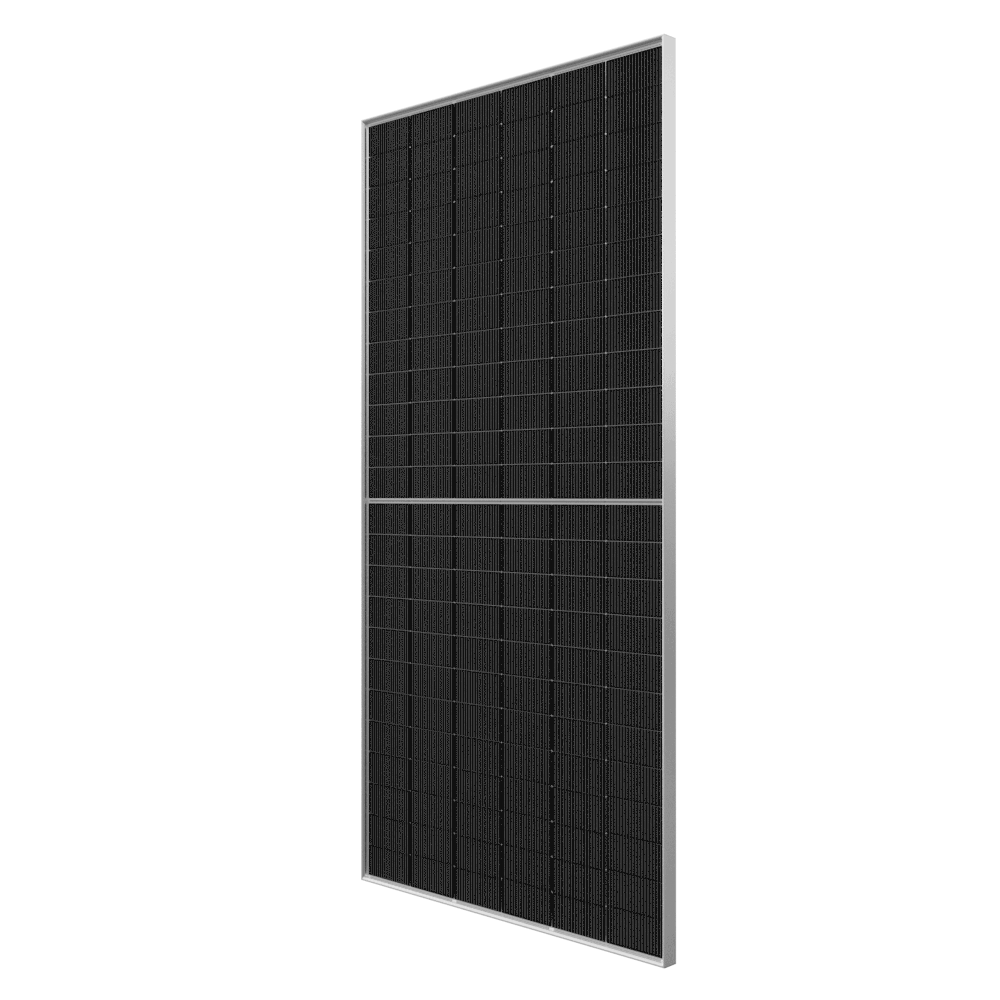
Look at the construction and the recycling story mostly tells itself:
- Toughened glassThe single biggest share of a panel's weight, and glass recycling is mature industry.
- Aluminium frameUnbolts cleanly and goes into one of the most recycled material streams on earth.
- Silicon cellsRecoverable through specialist processing, and increasingly valuable as feedstock.
- Copper wiring and silver contactsSmall quantities, real value, actively recovered.
- Polymer backsheet and encapsulantThe awkward fraction, and where recycling technology keeps improving.
Taken together, the large majority of a panel by weight is recoverable material rather than waste.
The rules: WEEE and who pays
Solar panels fall under the UK's WEEE regulations, the Waste Electrical and Electronic Equipment rules. The practical meaning for you is producer responsibility: the companies placing panels on the UK market fund compliance schemes that pay for collection and recycling at end of life. A householder should never need to pay a landfill fee for old panels, and panels should never go in a skip. They are electrical equipment in the eyes of the law, with a defined route out.
The UK now has dedicated solar panel recycling capability of its own, with the first specialist facilities opening in recent years and capacity growing ahead of the coming wave. Old panels collected here increasingly stay here for processing rather than being shipped abroad.
How recycling actually works
1. Removal and collection
Panels come off the roof during an upgrade, repair or roof project and go to a WEEE-approved collection route, usually arranged by the installer doing the work.
2. Triage: reuse before recycling
Working panels with life left can be tested and rehomed: off-grid projects, agricultural sheds and export markets take second-life panels. Reuse beats recycling where the panel still performs.
3. Frame and junction box removal
The aluminium frame, cabling and junction box come off first, each into its own established recycling stream.
4. Glass and material separation
Mechanical and thermal processes separate the glass from the cell layers, then recover silicon, copper and silver. Recovery rates keep improving as the specialist plants mature.
What you actually do as an owner
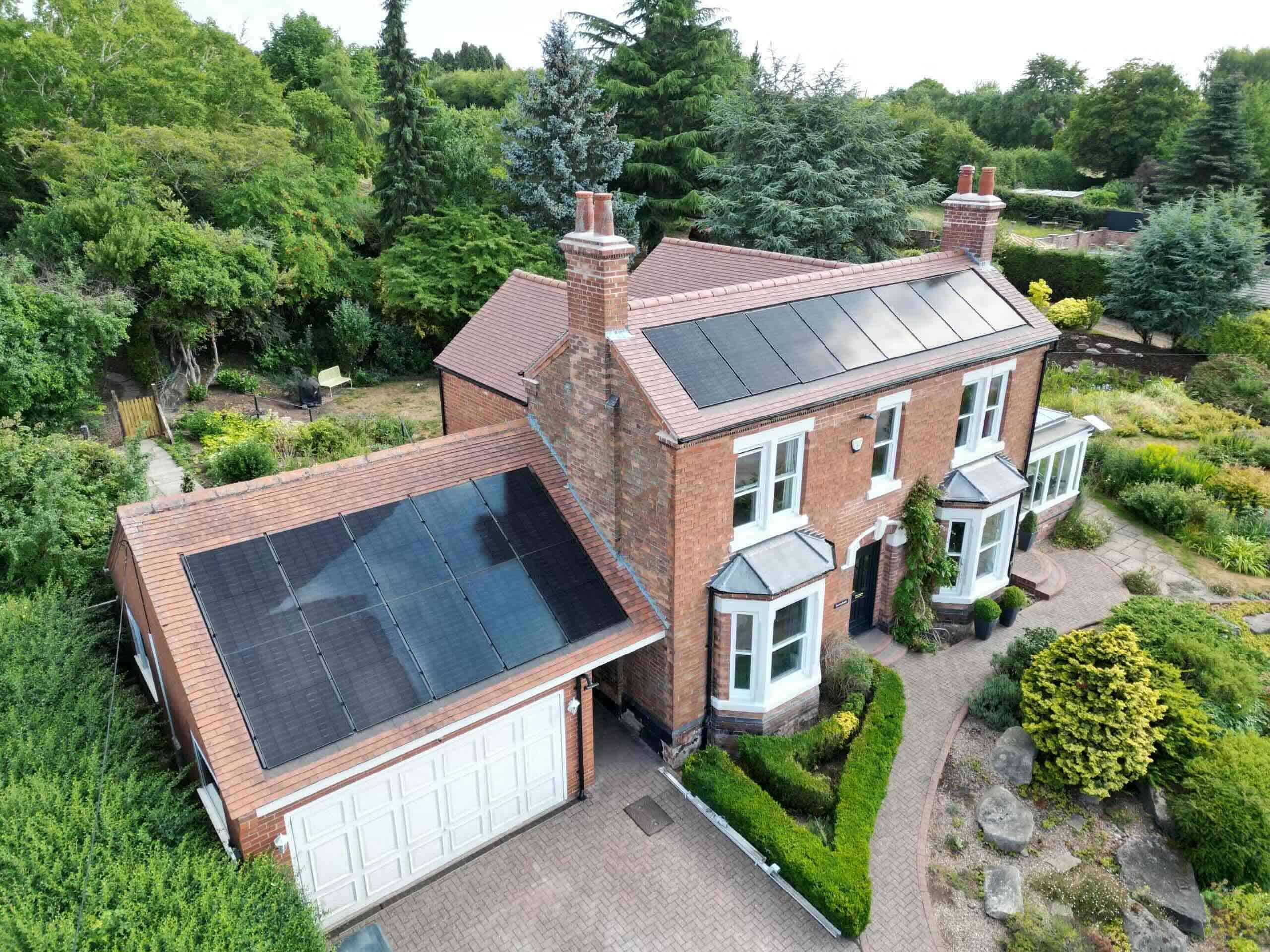
For a system like the one in the photo, nothing, for decades. When the day eventually comes:
- Upgrading with an installerThe installer removing your old panels handles the WEEE route as part of the job. Ask the question and expect a straight answer; it is a fair test of who you are dealing with.
- Damaged panelsInsurance work follows the same route: the replacing contractor disposes of the damaged units properly.
- A dead system from a vanished installerAny MCS certified installer can decommission safely and route the panels correctly. Our orphaned systems guide covers this situation.
Batteries are a separate story
Home batteries do not travel the same route as panels. Lithium batteries have their own regulations, their own hazards in transport and their own recycling processes, with the LFP chemistry we fit being among the more stable to handle. The practical rule is identical though: batteries go back through professional channels, never into general waste, and the installer swapping or removing one deals with that as part of the work. Battery chemistry and lifespan detail lives in our LFP battery guide.
Upgrading an old system?
We remove, test and properly route old panels as part of upgrade work, including systems we did not originally fit. Old kit handled correctly, new system designed for the next 25 years. Call 0115 773 7575, 8am to 8pm, Monday to Friday.
Book a feasibility assessmentFrequently asked questions
Can solar panels be recycled?
Yes. By weight a panel is mostly toughened glass and an aluminium frame, both routine recycling streams, and specialist processes recover silicon, copper and silver from the cell layers. The large majority of a panel's material is recoverable, and UK-based specialist facilities now handle the processing.
How do I dispose of old solar panels in the UK?
Through the WEEE system, not the skip. Panels are classed as electrical equipment, and the installer removing them should route them into an approved collection scheme as part of the job. If you are handling it yourself, your council's recycling centre can advise on WEEE acceptance locally.
Does it cost money to recycle solar panels?
Not for the householder in the normal course of things. The WEEE producer responsibility rules mean the companies that put panels on the UK market fund their end-of-life collection and processing through compliance schemes. Removal labour is part of whatever job is being done; the recycling route itself is funded upstream.
Do old solar panels go to landfill?
They should not, and legally they are directed away from it: panels are WEEE-regulated electrical equipment with a defined recycling route. Working panels often get a second life off-grid or abroad before recycling. If a contractor proposes skipping old panels, that tells you something about the contractor.
Are solar batteries recyclable too?
Yes, through a separate stream with its own battery regulations. Lithium batteries need professional handling in removal and transport, and recovery processes reclaim their metals. Never put any lithium battery in general waste. The installer replacing or removing a home battery handles the route as part of the work.
When will my panels actually need recycling?
Probably decades from now. Tier 1 panels carry 25-year performance warranties and degrade slowly, so most keep earning well past that. Panels recycled today are mostly early systems being upgraded or storm-damaged units rather than worn-out ones. Buy quality once and end of life stays a distant question.
Related reading
- How long do solar panels last in the UK?
- When should you upgrade your solar panels?
- What to do when your installer goes bust
- LFP vs NMC solar batteries
- New solar panel technology for 2026
Systems built to last, handled right at the end
We are an MCS certified installer (NIC200223) based in Bulwell, Nottingham, fitting Tier 1 kit designed for decades of service. Call 0115 773 7575, 8am to 8pm, Monday to Friday.
Get in touch