PSDS Solar Funding: Scheme Status and Public-Sector Options in 2026
The Public Sector Decarbonisation Scheme (PSDS) is the UK government grant programme, delivered by Salix Finance, that funded low-carbon heating, energy-efficiency measures and on-site renewables in public-sector buildings. Important: PSDS is closed to new applications. Phase 4 closed to bids in November 2024, and in June 2025 the government confirmed no further PSDS investment beyond projects already awarded. Salix continues to deliver those awarded projects (Phase 3c to 31 March 2026, Phase 4 to 31 March 2028). If your organisation already holds an award, solar PV qualifies only as an enabling measure alongside a low-carbon heating project. If you missed the window, the realistic routes now are a capital-budget purchase or a Power Purchase Agreement - both of which Spectrum can install.
Across its phases since 2020, PSDS committed well over £2 billion of capital to decarbonisation work in UK public-sector buildings. It was never a standalone solar grant: solar PV could only be funded where it directly supported a heat-decarbonisation project - almost always a heat pump replacing a fossil-fuel boiler, with solar offsetting the pump’s added electrical load. That distinction still matters for any organisation delivering an existing award, and it shapes what a successor scheme would likely look like if one is announced.
PSDS Phase 4 closed to new applications in November 2024 and moved away from first-come-first-served to a prioritised “grant carbon cost” model for the bids it did take. In June 2025 the government confirmed it would commit no further investment in PSDS beyond already-awarded projects. There is currently no open PSDS window to bid into. Salix is delivering the remaining awarded work - more than £1 billion still to be invested across existing schemes - through to 31 March 2028.
What PSDS funded
When it was open, PSDS Phase 4 funding covered:
- Heat-pump systems (air-source, ground-source, water-source) replacing fossil-fuel heating
- Solar PV where it directly enables / supports heat decarbonisation
- Building fabric improvements (insulation, glazing) where they reduce heat demand
- Connection to district heat networks
- Battery storage as part of a heat-pump-and-solar package
- Associated design, surveying, project management and commissioning costs
Who’s eligible
Eligible organisations include:
- Schools (maintained, academies and trusts)
- FE/HE colleges and universities
- NHS trusts and acute hospitals
- Local authorities (county, district, borough)
- Police, fire and emergency services
- Central government departments and agencies
- Other public-sector bodies meeting Salix’s definition
Private-sector organisations and charities aren’t eligible for PSDS. Charity organisations should look at the Low Carbon Skills Fund or sector-specific grant routes.
How the funding worked
PSDS was grant funding - capital that public bodies didn’t repay, covering the cost of designing, procuring and installing the qualifying low-carbon measures. It was never a part-loan: an award funded the eligible capital cost of the decarbonisation project rather than a fixed percentage of any single technology.
It was competitive. Earlier phases (1, 2 and 3a - 3c) ran as successive annual windows; Phase 4 opened in 2024 and closed to new applications in November 2024. Phase 4 also dropped the old first-come-first-served approach in favour of prioritising bids by “grant carbon cost” - grant value divided by carbon saved - so solar paired with a heat pump, which abates carbon cost-effectively, tended to score well. Applications needed detailed energy audits, decarbonisation plans, costed designs and procurement timelines, and most organisations engaged a decarbonisation consultant alongside the technical installer.
Where Spectrum fits
We’re an MCS-certified solar PV installer (NIC200223), NICEIC-approved electrical contractor (3182878) and RECC member (00080159). With PSDS closed to new bids, there are two situations where we help public-sector bodies:
- Delivering an existing PSDS award. Solar PV design (kWp sizing, roof layout, shading analysis), install once procurement completes, MCS sign-off and commissioning to the standards Salix requires, and Smart Export Guarantee (SEG) registration where applicable.
- Funding solar without PSDS. Most public buildings that missed the window now self-fund from capital budget or use a Power Purchase Agreement. We provide the design and a firm MCS-installer quote either way - and the same evidence pack would slot straight into a bid if a successor scheme is announced.
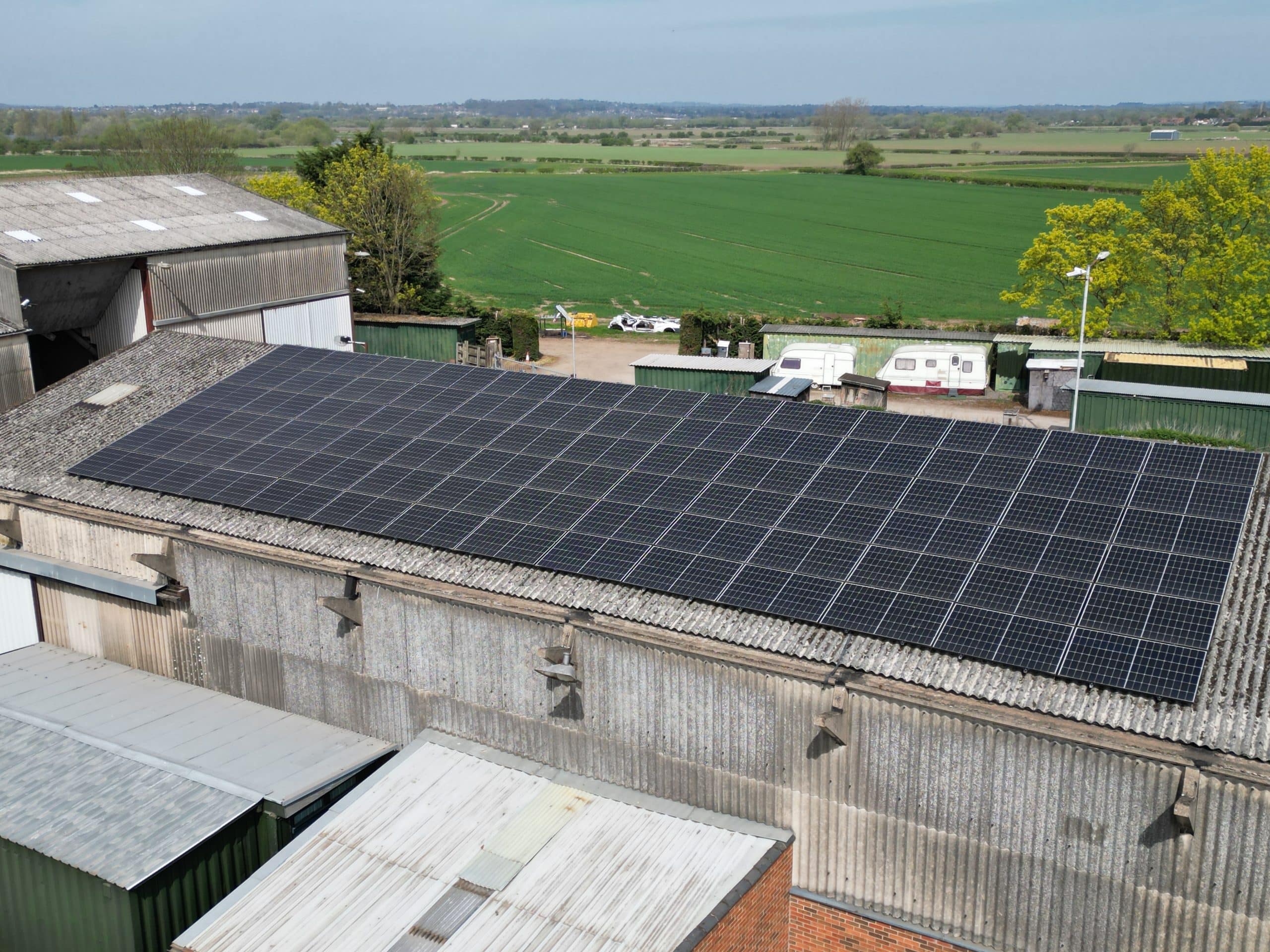
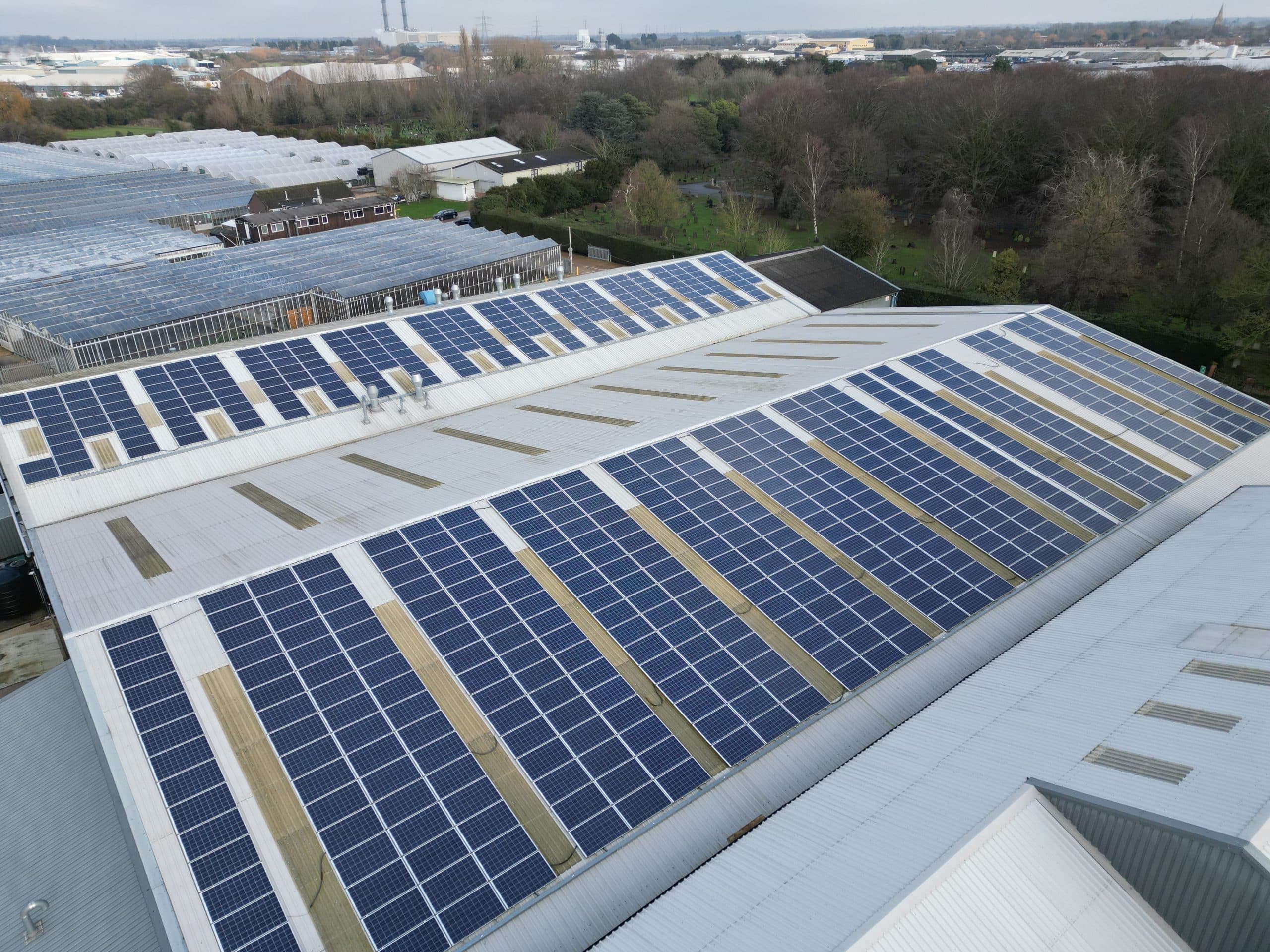
Our 35kW commercial install at Johns of Nottingham is a representative example of the kind of flat-roof commercial install that suits public-sector buildings.
Public-sector solar without an open grant? Talk to us
Whether you’re delivering an existing PSDS award or funding a project from capital budget or a PPA, we’ll provide an MCS-installer quote and the technical design to back it.
Speak to Our TeamHow a PSDS application worked (and would again)
For reference - and as a template should a successor scheme open - this is how a PSDS-funded solar project ran end to end:
- Energy audit + decarbonisation plan- usually 4-8 weeks. This is the document Salix graded.
- Indicative solar quote- Spectrum can provide this in 5-7 working days from a site visit or scanned roof layout.
- Bid submission- through the Salix portal during an open window. The Phase 4 window ran from 2024 and closed to new applications in November 2024.
- Award decision- 8-12 weeks after window close.
- Procurement- public sector procurement rules apply (Crown Commercial Service frameworks, formal tendering for awards above procurement thresholds).
- Install- Spectrum delivers within the timeline agreed at procurement stage, usually 8-16 weeks for a school or NHS site.
Vertical-specific notes
Schools. Solar PV plus heat-pump replacement of gas boilers is the most-funded pattern. Curriculum integration (live solar generation displays in classrooms) often features in the educational-benefit narrative of the bid. See our solar for schools article.
NHS trusts. Acute hospital sites are challenging due to roof space and resilience requirements. Community hospital and clinic sites are more straightforward and bid well into PSDS.
Local authorities. Council-owned buildings (leisure centres, depots, community halls) are common PSDS recipients. Where the council also owns social housing, solar on housing stock is funded through social-housing decarbonisation funding rather than PSDS.
What PSDS doesn’t fund
- Standalone solar PV with no heat-decarbonisation component
- Private-sector installs (commercial, industrial)
- Public-sector buildings where heating is already low-carbon (no decarbonisation gain)
- Retrospective work - PSDS funds future spend, not work already done
Public-sector bodies wanting standalone solar (no heat-pump component) usually fund through capital programme or commercial PPAs instead.
FAQs
Can I get PSDS funding for solar panels only?
PSDS funds solar PV only when it directly enables or supports a heat-decarbonisation measure - almost always a heat pump replacing a fossil-fuel boiler. Standalone solar with no decarbonisation component is unlikely to score well in the value-for-money metric Salix uses to grade applications.
Can a school or academy still apply for PSDS?
Not currently. Maintained schools, academies and academy trusts were all eligible while PSDS was open, but Phase 4 closed to new applications in November 2024 and no further funding has been committed. Schools delivering an existing award continue through Salix; those that missed the window typically fund solar from capital budget or a PPA.
Is PSDS grant funding or a loan?
Grant funding - you don’t repay it. An award covered the eligible capital cost of the decarbonisation project (design, procurement and installation), not a fixed percentage of one technology, and was prioritised by a carbon-per-pound “grant carbon cost” metric. The recipient owned the resulting kit outright. Note the scheme is now closed to new applications.
How long does PSDS take from application to install?
For projects funded while the scheme was open, a typical end-to-end timeline was 12-18 months: 4-8 weeks energy audit, the application window, 8-12 weeks for an award decision, 8-16 weeks procurement, then 8-16 weeks delivery. Procurement was often the longest stage for awards above public-procurement thresholds. A self-funded or PPA project skips the bid stages and moves at the speed of your own procurement.
What MCS standards does PSDS require?
Salix requires MCS-certified installers for the solar PV and heat-pump components of any funded project. Spectrum is MCS-certified for solar PV (NIC200223). We deliver the solar PV element; heat pumps are outside what we install.
Can PSDS funding cover battery storage?
Battery storage can be funded where it’s part of a coherent decarbonisation package - usually solar PV plus heat pump plus battery sized to time-shift consumption. Standalone battery storage without a generating asset isn’t typically eligible.
When is the next PSDS bidding window?
There isn’t one. Phase 4 closed to new applications in November 2024, and in June 2025 the government confirmed no further investment in PSDS beyond projects already awarded. If a successor public-sector decarbonisation scheme is announced, the Salix Finance website (salixfinance.co.uk) is where it would appear - until then, capital-budget purchase or a PPA are the practical routes.
Related reading
- Solar for schools: PSDS funding and curriculum integration
- Solar for housing associations: MEES compliance guide
- Solar PV capital allowances: 25% tax relief for businesses
For the full Spectrum service overview see commercial solar overview.
Speak to Spectrum Energy Systems
MCS NIC200223. Commercial and public-sector installs across the East Midlands. We’ll provide the solar PV design and firm costs your project needs - grant-funded, capital-funded or PPA.
Speak to Our Team