
Solar Thermal vs Solar PV: The 2026 UK Comparison
Solar thermal heats water. Solar PV generates electricity. They do completely different jobs - but in 2026, PV plus a battery has largely replaced standalone solar thermal for UK homes. A PV system powers everything, pairs with a battery, works with smart tariffs (Octopus Agile), AND can heat your water via a solar diverter to the immersion heater. Solar thermal only does hot water. Spectrum fits PV, not thermal- because a modern PV-plus-battery system does everything thermal does and far more.
Why this comparison is mostly settled now
A decade ago solar thermal was a sensible standalone choice for hot water. In 2026 the calculus changed: PV panel costs collapsed, batteries became affordable, and solar power diverters (like the myenergi Eddi) let a PV system heat your water as a free byproduct of generating electricity. So the honest comparison isn't really "which is better"- it's "PV does both jobs, thermal does one." We explain both technologies fairly below, then tell you what we actually fit and why.
In This Guide
What is solar thermal?
Solar thermal systems use roof-mounted collectors (either flat plates or evacuated tubes) to capture the sun's heat and transfer it to water. A pump circulates fluid through the collectors and into a hot water cylinder via a heat exchanger. The output is hot water - nothing else.
Solar thermal was popular in the UK during the Renewable Heat Incentive era (which closed to new applicants in 2022). It typically meets 50-60% of a household's annual hot water demand, more in summer, much less in winter.
What is solar PV?
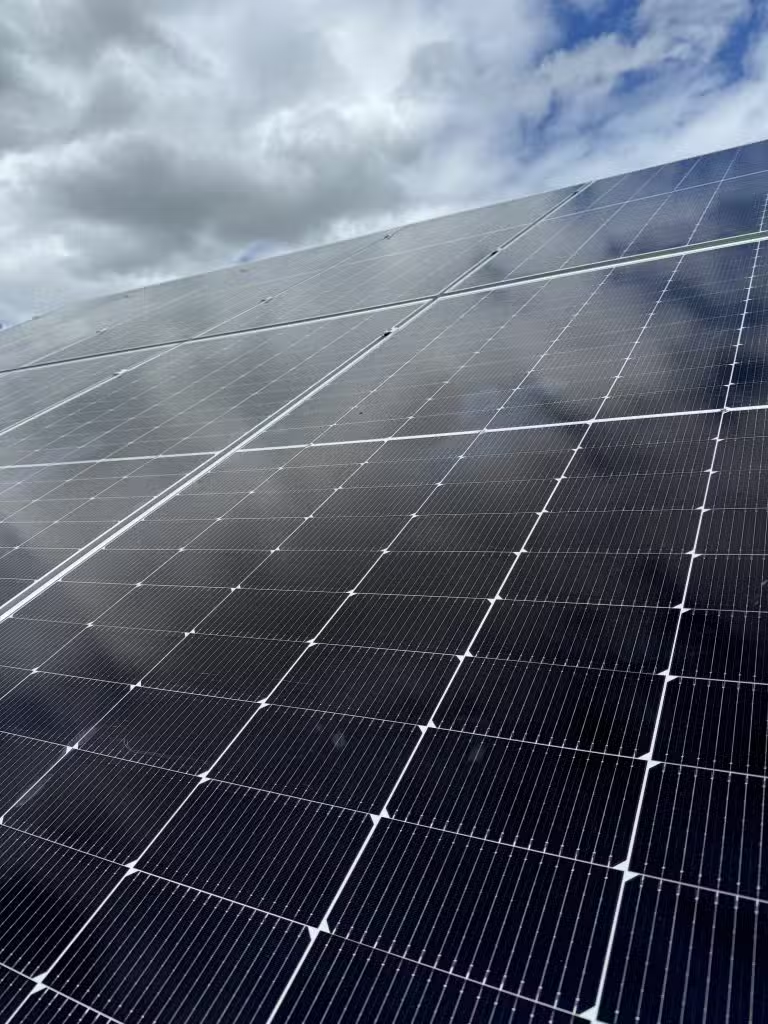
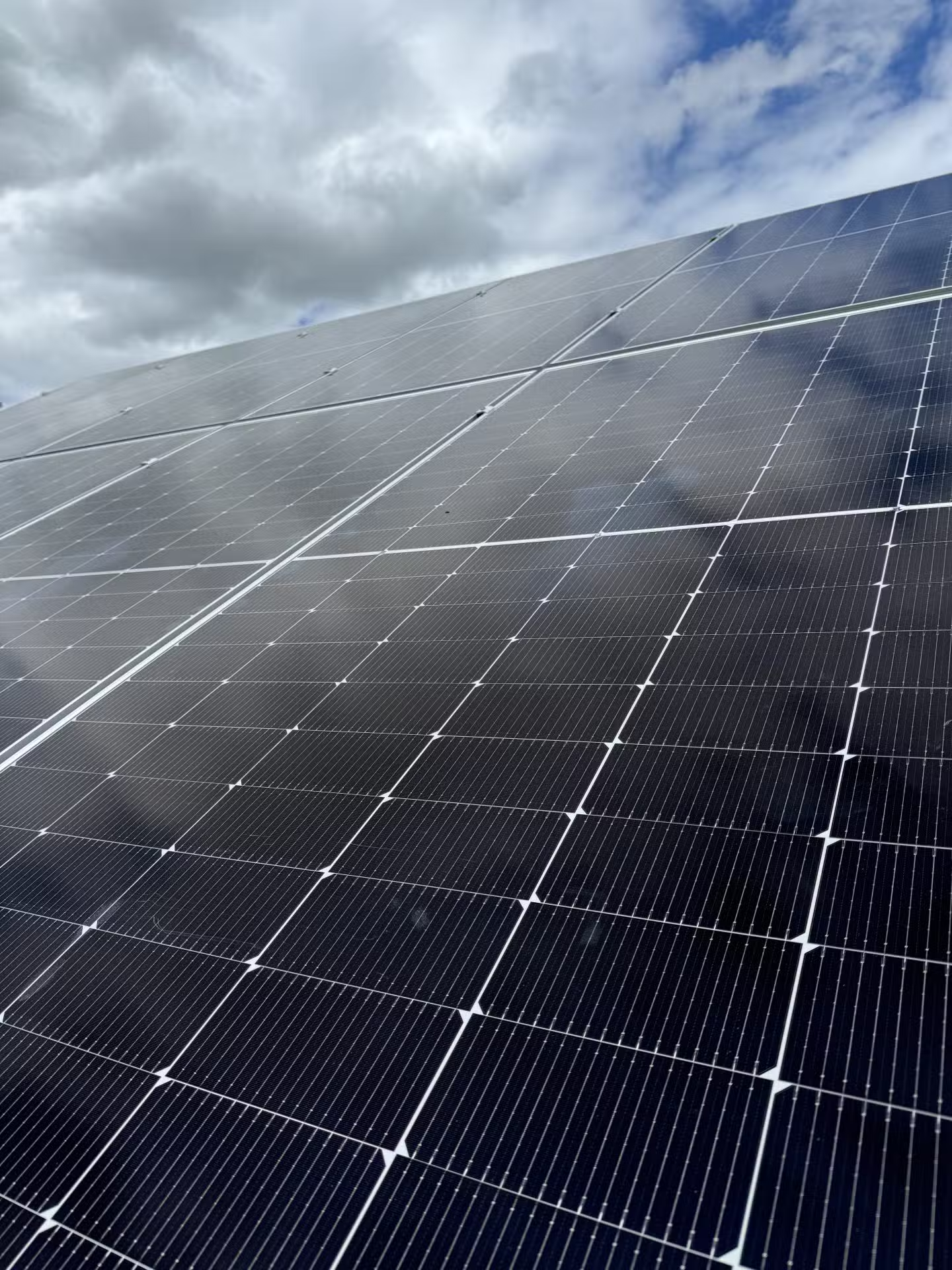
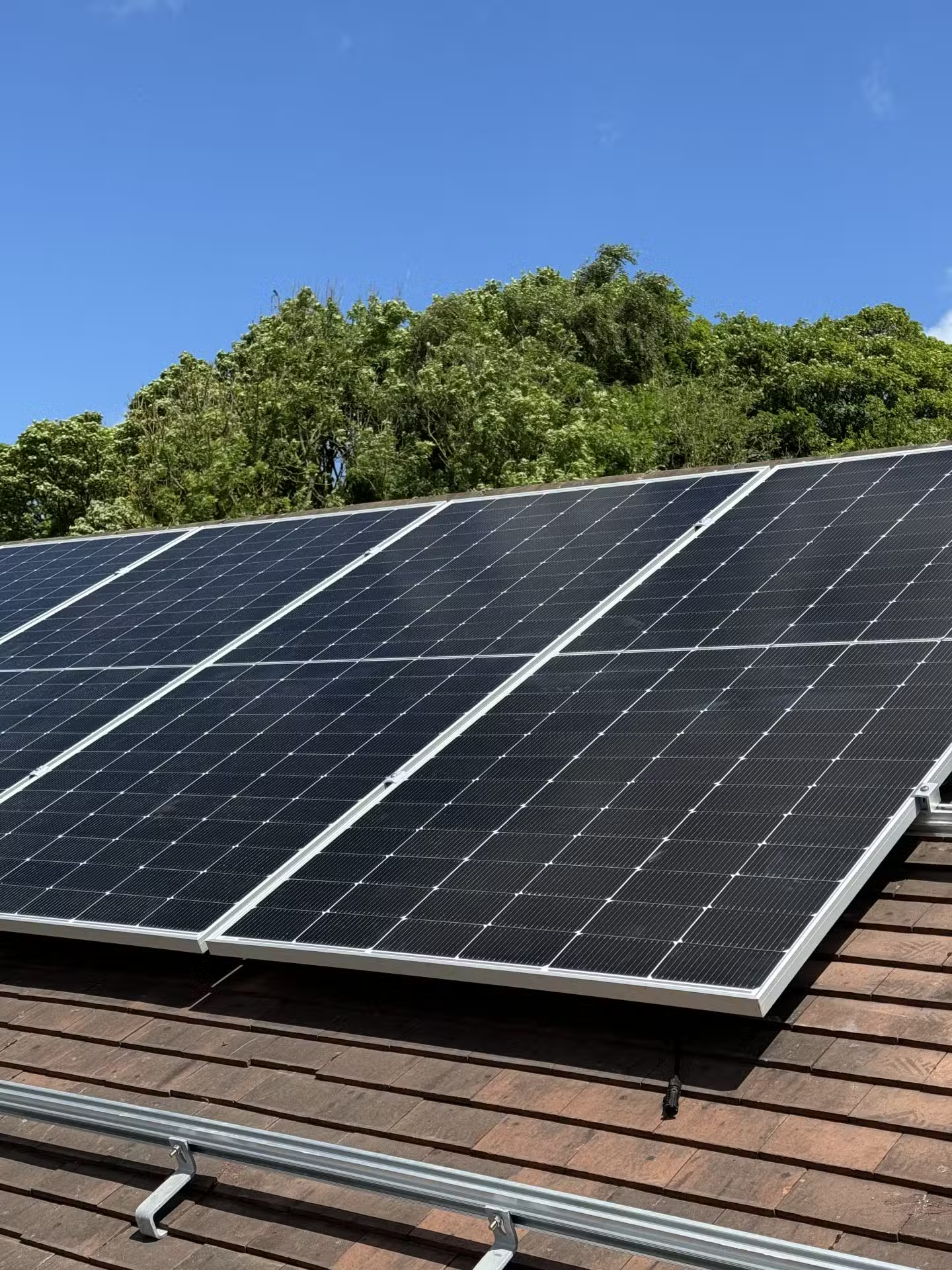
Solar PV (photovoltaic) panels convert sunlight directly into electricity via the photovoltaic effect. That electricity powers your home, charges a battery, charges an EV, or exports to the grid for payment. With a solar power diverter, surplus generation can also heat your immersion-cylinder water - covering the hot-water job that thermal does, as a byproduct.
Key differences at a glance
| Factor | Solar Thermal | Solar PV (Spectrum) |
|---|---|---|
| Output | Hot water only | Electricity (+ hot water via diverter) |
| Powers appliances/lighting | No | Yes |
| Works with battery | No | Yes (Fogstar/Pylontech) |
| Works with smart tariffs | No | Yes (Octopus Agile + Predbat) |
| Charges an EV | No | Yes |
| Export income | No | Yes (SEG / Agile Outgoing) |
| Roof space efficiency | Dedicated to hot water only | Whole-home energy |
| Typical install cost | £3,000 - £5,000 | From £8,000 (with battery) |
| Lifespan | 20-25 years | 25-30 years (panels) |
| Spectrum fits? | No | Yes |
UK climate performance
Both technologies are limited by UK winters - but in different ways:
- Solar thermal in winter delivers little useful heat. The collectors warm water a few degrees, but rarely to usable temperature, so the boiler or immersion does most of the work November - February.
- Solar PV in winter generates 20-30% of summer output - but with a battery and smart tariff, that's combined with cheap overnight grid charging to keep the home running economically year-round.
The flexibility of PV plus storage handles UK seasonality better, because the battery + tariff strategy works regardless of how much sun there is on a given day.
Maintenance
Solar PV maintenance
- Minimal - no moving parts in the panels
- Occasional cleaning every 18-24 months
- Inverter replacement once in 12-15 years
- No fluid, no pump, no pressure vessel
Solar thermal maintenance
- Glycol antifreeze fluid needs replacing every 5-7 years
- Circulation pump can fail
- Pressure and expansion vessel checks
- Risk of overheating (stagnation) in summer
- More plumbing = more failure points
Pros and cons summary
Solar PV wins on
- Flexibility - powers everything, not just water
- Battery and smart-tariff compatibility
- EV charging and export income
- Can heat water too (diverter)
- Lower maintenance
- Longer warranties (25-30 years)
Solar thermal's narrow niche
- Slightly more efficient at the single job of heating water (per m² of roof)
- Lower upfront cost than PV + battery
- Makes sense only where there's no room for PV and hot water is the sole priority
- Otherwise superseded by PV + diverter
Which should you choose?
For almost every UK home: solar PV
Unless you have a very specific situation (no roof space for PV, hot water is your only energy concern, and you've ruled out a heat pump), solar PV is the better choice. It does everything solar thermal does for hot water (via a diverter) plus powers your whole home, charges a battery and EV, and earns export income. The PV-plus-battery system is simply more capable for the same roof.
Why Spectrum fits PV, not thermal
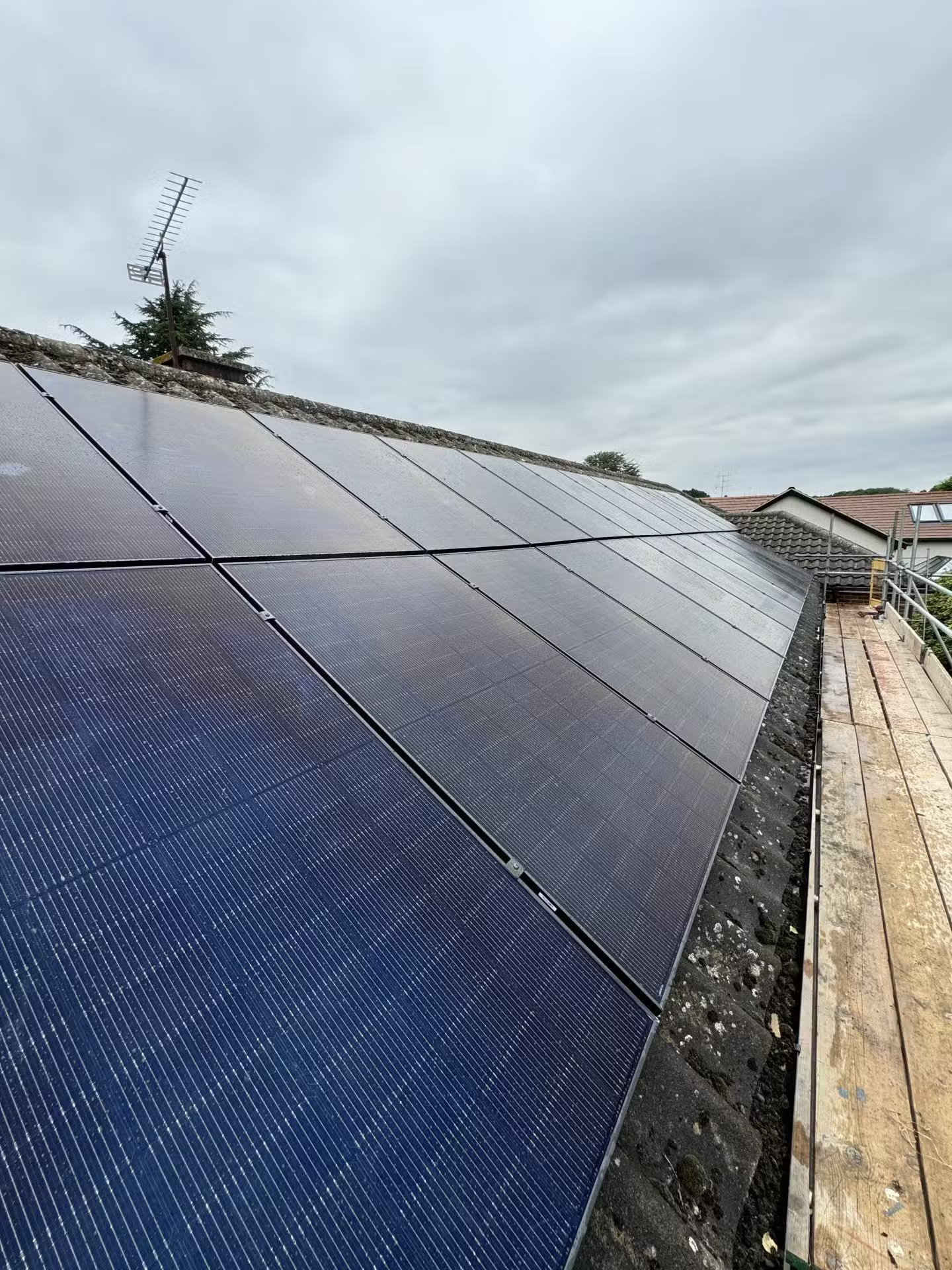
We're a PV specialist. We don't fit solar thermal because in 2026 it doesn't deliver the best value for our customers - a PV system with a battery and (where wanted) a solar power diverter to the immersion does the hot-water job AND everything else. Our standard kit:
- Tier 1 panels- JA Solar, Aiko, Longi
- Solis hybrid inverter- solar + battery in one box
- Fogstar (LV) or Pylontech (HV) battery- time-shift your generation
- Optional solar diverter- surplus PV heats your hot water cylinder for free
- Predbat + Octopus Agile- smart-tariff automation for maximum savings
Want hot water AND whole-home power?
A Spectrum PV system with a battery and solar diverter heats your water as a byproduct of powering your home - doing everything solar thermal does and far more. MCS NIC200223.
Request a feasibility assessmentFAQs
What's the difference between solar thermal and solar PV?
Solar thermal collects heat from the sun to warm water - it's a hot-water system. Solar PV (photovoltaic) converts sunlight to electricity. They do completely different jobs. Solar thermal only heats water; solar PV powers everything in your home (and with a battery, time-shifts that power and can run an immersion heater for hot water too). In 2026, PV plus a battery has largely replaced standalone solar thermal for UK homes because it's more flexible and the economics are better.
Which is better for a UK home in 2026?
Solar PV, for almost every UK home. PV is more flexible (powers everything, not just hot water), pairs with a battery, works with smart tariffs like Octopus Agile, and can heat your water via a solar diverter to the immersion. Solar thermal only addresses hot water and competes with a heat pump or the PV-plus-diverter approach. Spectrum fits PV, not thermal - the modern PV-plus-battery system does everything thermal does and far more.
Does Spectrum install solar thermal?
No - we fit solar PV, not solar thermal. In 2026 a PV system with a battery (and optionally a solar power diverter sending surplus to your immersion heater) does everything a solar thermal system does for hot water, plus powers the rest of your home, plus works with smart tariffs. We focus on what delivers the best whole-home value: Solis hybrid PV, Fogstar/Pylontech batteries, and Predbat automation.
Can solar PV heat my water like solar thermal?
Yes. A solar power diverter (such as a myenergi Eddi) sends surplus PV generation to your immersion heater instead of exporting it - effectively giving you solar hot water as a free byproduct of your electricity system. This is why standalone solar thermal has fallen out of favour: a PV system already generating electricity can heat your water too, without a separate set of roof collectors and plumbing.
Conclusion
Solar thermal and solar PV were once genuinely competing choices. In 2026 they aren't - PV plus a battery (and a diverter for hot water) does everything thermal does and far more, for a roof of the same size. Unless you have a very narrow set of constraints, solar PV is the right choice for a UK home, and it's the only thing Spectrum fits. We'll model your specific roof in PV*SOL and show you exactly what a PV system would generate and save.
Related reading
- Are solar panels worth it in 2026?
- How to choose the right solar battery
- How efficient are solar panels in 2026?
- Octopus Agile + solar guide
- New solar panel technology trends 2026
Speak to Spectrum Energy Systems
MCS NIC200223. We design, install and warranty solar PV across the East Midlands - whole-home power, battery storage, and hot water via diverter. One system, one installer.
Request a feasibility assessment