UK weather can be unpredictable, from heavy rain and high winds to hailstorms and winter snow. If you own domestic solar panels or commercial solar PV systems, understanding how to protect your investment during extreme weather ensures continued performance and longevity.
This guide provides practical solar panel protection tips for inclement weather, covering everything from storm preparation to post-weather inspections. You'll learn about solar panel durability in bad weather and how to keep your system performing at its best.
In This Guide
- Are Solar Panels Designed to Withstand Extreme Weather?
- Protecting Solar Panels from Storm Damage
- How to Protect Solar Panels from Hail
- Protecting Solar Panels During Heavy Snow and Winter Weather
- Protecting Solar Panels from High Winds
- Protecting Solar Panels from Heavy Rain and Flooding
- Regular Maintenance to Prepare Solar Panels for Bad Weather
- When to Call a Professional Solar Technician
- Frequently Asked Questions
Are Solar Panels Designed to Withstand Extreme Weather?
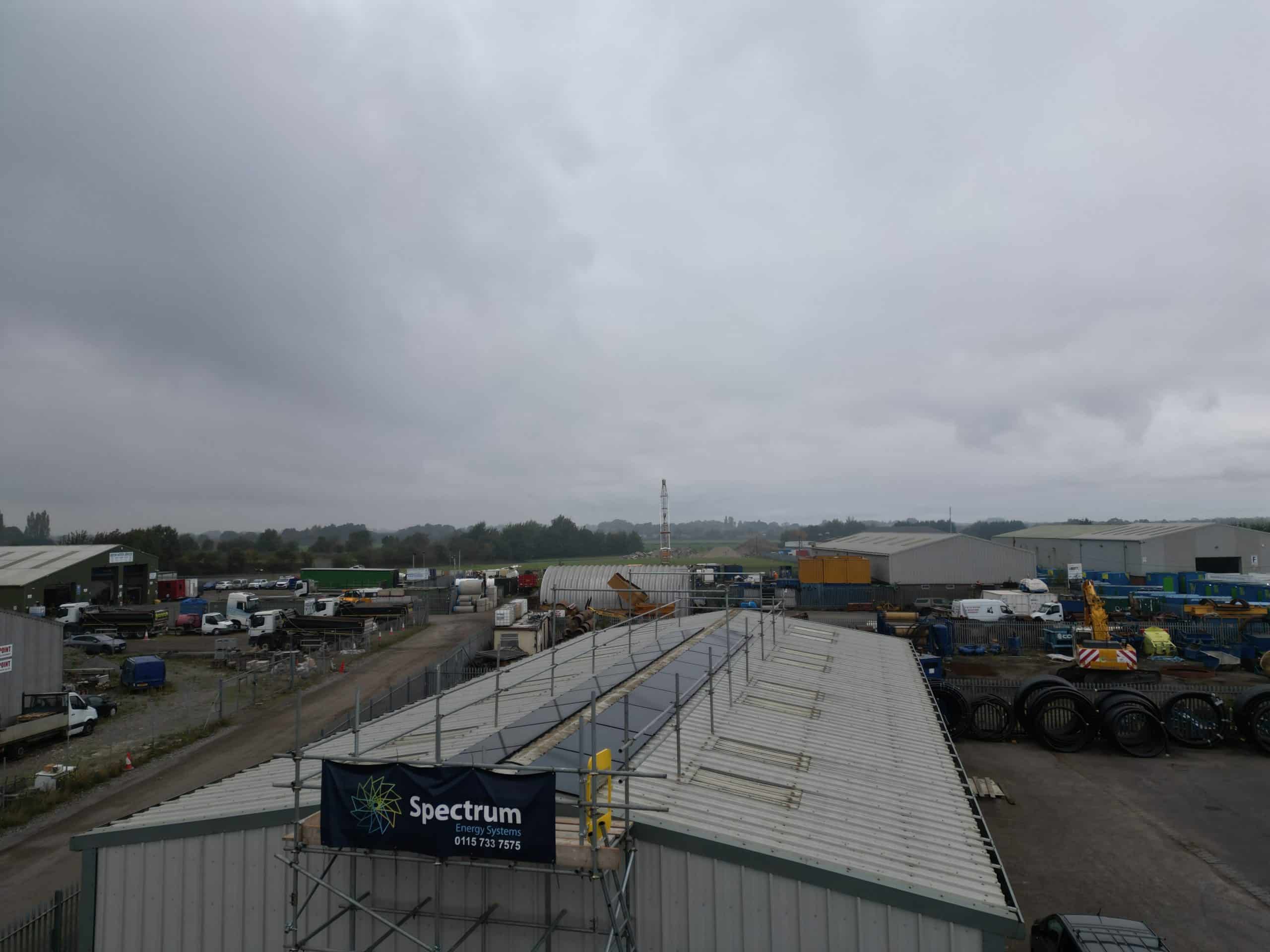
Modern solar panels are engineered for durability. Quality panels feature tempered glass surfaces, reinforced aluminium frames, and weatherproof encapsulation designed to handle the UK's varied climate conditions. Understanding their built-in resilience helps you make informed decisions about additional protection measures.
How Durable Modern Solar Panels Are
Solar panels undergo rigorous testing before reaching the market. Industry standards require panels to withstand hailstones up to 25mm diameter, significant wind pressures (typically 2,400 pascals or higher), and substantial snow accumulation. The tempered glass used in quality panels is several times stronger than standard glass, providing robust impact resistance. This solar panel weatherproofing ensures reliable operation across decades of UK weather exposure.
When professionally installed, panels and mounting systems work together to distribute weather stresses effectively. This integrated approach to solar panel longevity means most systems operate reliably for 25-30 years across all weather conditions.
Common Weather Risks for Solar Panels
Whilst panels are built for durability, certain weather events require particular attention:
- Hailstorms: Large hailstones can potentially cause micro-cracks or surface damage
- Heavy snow accumulation: Excessive weight and blocked sunlight can affect performance
- Strong winds and storms: Can stress mounting systems and cause debris impacts
- Debris from nearby trees: Branches and leaves can scratch surfaces or cause shading
Learn more about common solar panel problems and how to address them effectively.
Protecting Solar Panels from Storm Damage
Storm preparation focuses on two key areas: ensuring secure mounting and minimising debris risks. Both elements work together to protect your solar PV system during severe weather events.
Securing Solar Panel Mounting Systems
Professional installation is your first line of defence against storm damage. Expert solar fitting ensures mounting brackets are correctly tensioned and anchored to withstand wind loads specified in UK building regulations. Regular checks of mounting hardware help identify any loosening before it becomes problematic.
Installation Matters: Panels installed by MCS-accredited installers like Spectrum Energy Systems meet stringent quality standards for weather resistance. Our NICEIC-registered electricians ensure all electrical connections remain secure and weatherproof.
Preventing Debris Damage
Proactive maintenance reduces storm-related risks significantly:
- Trim overhanging branches that could fall onto panels during high winds
- Remove loose objects from roof areas and gutters
- Clear accumulated leaves and debris that could scratch panel surfaces
- Ensure surrounding structures are secure and won't become windborne hazards
Our comprehensive solar panel maintenance guide covers these preventative measures in detail.
How to Protect Solar Panels from Hail
Hail protection is largely built into quality panel design. Understanding hail resistance ratings helps you assess your system's capabilities and determine whether additional measures are warranted for solar panels hail damage prevention.
Understanding Hail Resistance Ratings
Most quality solar panels are tested to IEC 61215 standards, which include impact testing simulating hailstone strikes. These tests involve firing ice balls at panels to verify they withstand typical hail conditions without damage. Panels meeting these standards handle the vast majority of UK hailstorms effectively.
Preventative Measures for Hail
For most UK installations, the panel's inherent durability provides sufficient hail protection. However, if severe hail is forecast, ensure your system is clear of debris that could be displaced by impacts. The angled mounting typical of UK installations also helps deflect hailstones rather than absorbing direct impacts.
After significant hail events, visual inspection from ground level can identify obvious damage. For thorough assessment, professional inspection through our solar system health check services detects micro-cracks invisible to the naked eye.
Protecting Solar Panels During Heavy Snow and Winter Weather
UK winters bring occasional heavy snowfall, particularly across the East Midlands. Understanding how to protect solar panels from snow—and safe removal techniques—protects both your system and yourself.
Snow Accumulation and Solar Performance
Snow temporarily blocks sunlight from reaching panel surfaces, reducing electricity generation. However, the tilted installation angle typical of UK systems (usually 30-40 degrees) allows snow to slide off naturally as temperatures rise. Dark panel surfaces also absorb heat, accelerating snow melt compared to surrounding roof areas.
Light snow dustings typically clear within hours. Heavier accumulation may persist longer but rarely causes structural concerns for properly installed systems designed to handle snow loads.
Safe Snow Removal Techniques
Safety First
Never climb onto snow-covered roofs to clear panels. The combination of height, slippery surfaces, and potential electrical hazards creates serious injury risks. If snow removal is necessary, use appropriate ground-based tools or contact professionals.
For accessible panels, soft roof rakes designed specifically for solar systems can gently clear snow without scratching glass surfaces. Avoid metal tools, sharp implements, or excessive pressure that could damage panel coatings. In most cases, allowing natural clearance is safest and most practical.
Protecting Solar Panels from High Winds
Wind resistance depends primarily on installation quality. Properly mounted panels withstand winds far exceeding typical UK storm conditions, making professional installation essential for commercial building installations and domestic systems alike. Understanding solar panels wind resistance UK standards helps you appreciate your system's capabilities.
Wind Load Ratings and Secure Mounting
Most quality solar panels are tested to withstand wind pressures of around 2,400 pascals—equivalent to wind speeds of approximately 140 mph (225 km/h) when properly installed. Combined with mounting systems engineered for UK building regulations, this provides robust wind protection well beyond typical UK storm conditions. The key vulnerability isn't the panels themselves but improper installation—loose brackets, incorrect torque settings, or inadequate anchoring can all compromise wind resistance.
Regular inspection of mounting hardware, particularly after severe weather, ensures continued security. Our solar panel maintenance support services include thorough mounting system checks.
Protecting Solar Panels from Heavy Rain and Flooding
Solar panels are inherently weatherproof, with sealed junction boxes and protected wiring designed for outdoor exposure. Rain actually helps keep panels clean, washing away dust and debris that can reduce solar panel efficiency.
Waterproof Design Features
Quality panels feature IP-rated junction boxes that prevent water ingress to electrical connections. Proper installation ensures cable runs are protected and drainage prevents water pooling around any system components. These design features mean rain poses minimal risk to well-installed systems.
Electrical Safety During Storms
During severe electrical storms, avoid touching any part of your solar system. Whilst properly earthed systems include surge protection, it's sensible to let storms pass before conducting any visual inspections. If you notice any unusual behaviour from your system after storms, contact professionals rather than investigating yourself.
For battery storage systems, ensure battery enclosures remain sealed and that any ground-level components are protected from potential flooding.
Regular Maintenance to Prepare Solar Panels for Bad Weather
Proactive maintenance is your best weather protection strategy. Following solar panel maintenance tips UK experts recommend, seasonal checks identify potential issues before severe weather tests your system.
Seasonal Inspection Checklist
- Visual check for cracks, chips, or discolouration on panel surfaces
- Inspect mounting brackets and frames for corrosion or loosening
- Clear debris from panel surfaces and surrounding roof areas
- Check cables and connections for damage or weathering
- Review inverter displays or monitoring apps for performance anomalies
- Trim vegetation that has grown towards panels since last inspection
Our complete guide to cleaning solar panels covers safe cleaning techniques that form part of effective maintenance routines.
Monitoring Solar Panel Performance
Modern smart home energy systems include monitoring that alerts you to performance drops. Sudden generation decreases after weather events can indicate damage requiring attention. Regular monitoring helps distinguish weather-related output variations from potential problems.
When to Call a Professional Solar Technician
Some situations require professional assessment rather than DIY inspection. Knowing when to call experts protects both your safety and your system. Extreme weather solar panel safety is paramount—never attempt repairs or inspections that put you at risk.
Signs Your Panels May Have Weather Damage
- Visible cracks or chips: Even small cracks can admit moisture, causing progressive damage
- Reduced electricity production: Significant drops not explained by weather conditions
- Loose or displaced panels: Any movement indicates mounting system issues
- Burn marks or discolouration: May indicate electrical problems requiring immediate attention
- Water ingress signs: Condensation inside panels or around junction boxes
Benefits of Professional Solar Inspections
Professional technicians detect issues invisible to untrained observers. Thermal imaging reveals hotspots indicating cell damage. Electrical testing confirms connections remain sound. Structural assessment ensures mounting systems maintain their integrity.
Spectrum Energy Systems has provided professional solar maintenance services across Nottinghamshire, Derbyshire, Leicestershire, and Lincolnshire since 2011. Our experienced team includes NICEIC-registered electricians qualified to safely assess and repair all aspects of solar PV systems.
Frequently Asked Questions
Conclusion: Protecting Your Solar Investment During Extreme Weather
Modern solar panels are engineered for UK weather conditions, providing reliable performance through storms, hail, snow, and high winds. Simple maintenance steps—regular inspections, debris clearance, and monitoring system performance—prevent most weather-related issues before they occur.
Professional installation provides the foundation for weather resistance, whilst ongoing maintenance ensures your system continues performing optimally throughout its 25-30 year lifespan. Understanding when to call professionals versus handling matters yourself protects both your safety and your investment.
Whether you're planning a new home solar installation or managing existing commercial solar systems, weather protection should be part of your overall system management approach. Explore our guide to solar panel benefits to understand the full value of protecting your renewable energy investment.
Protect Your Solar Investment
Don't wait for storm damage to discover maintenance issues. Schedule a professional solar panel inspection to ensure your system is prepared for whatever the UK weather brings. Our MCS-accredited team serves Nottinghamshire, Derbyshire, Leicestershire, and Lincolnshire with comprehensive maintenance services.
Get Your Free Quote Book a Maintenance CheckAbout Spectrum Energy Systems: Established in 2011, we're MCS-accredited solar installers serving Nottinghamshire, Derbyshire, Leicestershire, Lincolnshire, and the wider East Midlands. Our experienced engineers design, install, and maintain tailored solar solutions for homes and businesses, ensuring maximum performance whatever the weather. Learn more about our expertise or explore our completed solar projects. We also provide specialist services for agricultural solar installations, manufacturing facilities, and office buildings.