Solar Thermal vs Solar PV – What's the Difference?
Both solar thermal and solar PV harness energy from the sun, but they serve fundamentally different purposes. Solar thermal heats water directly, whilst solar PV generates electricity that can power your entire home. Understanding these differences is essential for making the right investment in renewable energy for your property.
At Spectrum Energy Systems, established in 2011, we specialise in solar PV installations across the East Midlands. This guide provides an honest, balanced comparison to help UK homeowners and businesses choose the technology that best suits their needs.
In This Guide
If you've been researching solar energy, you've likely encountered both solar thermal and solar PV systems. The terminology can be confusing, and many homeowners aren't sure which technology would work best for their situation. This comprehensive guide explains how each system works, compares their benefits, and helps you understand why solar PV has become the dominant choice for UK properties in recent years.
Whether you're looking to reduce energy bills, lower your carbon footprint, or increase your property's energy independence, understanding the practical differences between these technologies is the first step toward making an informed decision. Let's examine what each system offers and which might be right for your home or business.
Not Sure Which Solar Technology Suits Your Property?
Our MCS-accredited team provides honest, expert advice tailored to your specific energy needs
Get Your Free Assessment Speak to Our TeamWhat Is Solar Thermal?
Solar thermal technology uses sunlight to heat water directly. The system consists of solar collectors (panels) mounted on your roof that absorb heat from the sun, which is then transferred to water stored in a specially designed hot water cylinder inside your home.
How Solar Thermal Systems Work
Solar thermal collectors contain tubes or channels filled with a heat-transfer fluid, typically a water and antifreeze mixture. When sunlight hits the collectors, this fluid heats up and circulates through a coil in your hot water cylinder, transferring heat to your domestic water supply. A pump and controller manage the circulation to maximise efficiency.
There are two main types of solar thermal collectors used in UK installations:
- Flat plate collectors: These resemble traditional solar panels with a flat, dark surface beneath protective glass. They're generally more affordable and suitable for most domestic applications.
- Evacuated tube collectors: These consist of glass tubes containing copper pipes in a vacuum, which provides excellent insulation and better performance in cold weather. They're typically more efficient but cost more.
What Solar Thermal Is Best For
Solar thermal systems are specifically designed to provide hot water. They work well for properties with high hot water demand, such as larger families, properties with multiple bathrooms, or buildings like care homes and hotels where hot water usage is consistently high.
Important consideration: Solar thermal requires a compatible hot water cylinder with a dedicated solar coil. If your property uses a combi boiler without a cylinder, you'd need to install one, adding significant cost and requiring space you may not have.
Limitations of Solar Thermal
Whilst solar thermal can be highly efficient at its specific task, it has notable limitations that have contributed to its declining popularity in the UK market:
- Single-purpose output: The system only produces hot water—it cannot power appliances, lighting, or other electrical needs
- Seasonal performance variation: Output drops significantly during winter months when hot water demand is typically highest
- System compatibility: Requires specific plumbing and a compatible hot water cylinder
- No export option: Unlike electricity, you cannot sell excess heat to the grid
- Higher maintenance: More mechanical components mean more potential points of failure
What Is Solar PV?
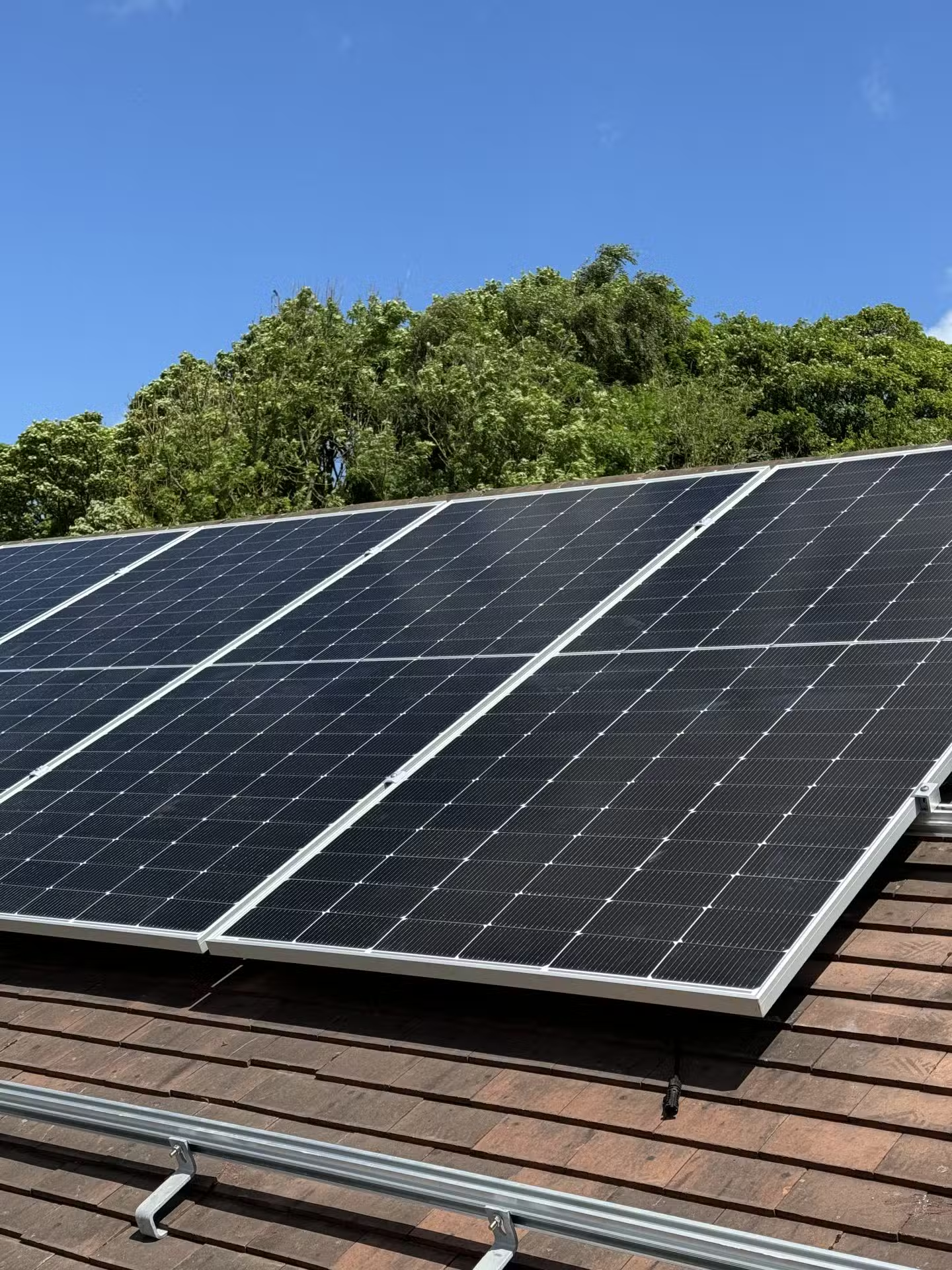
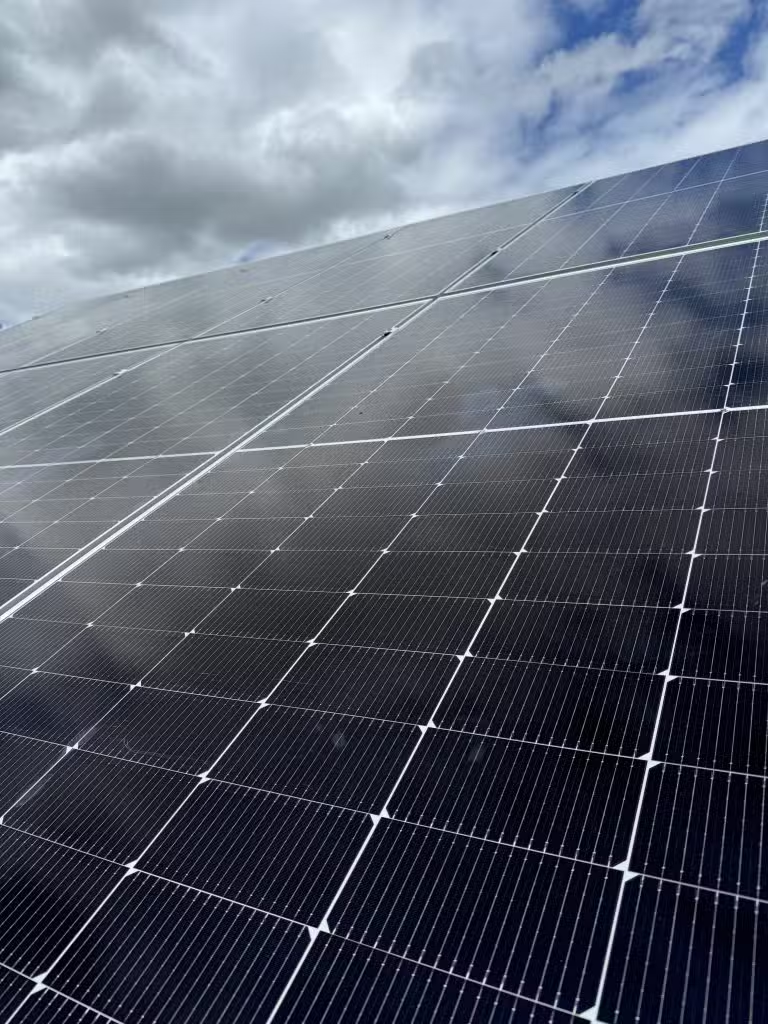
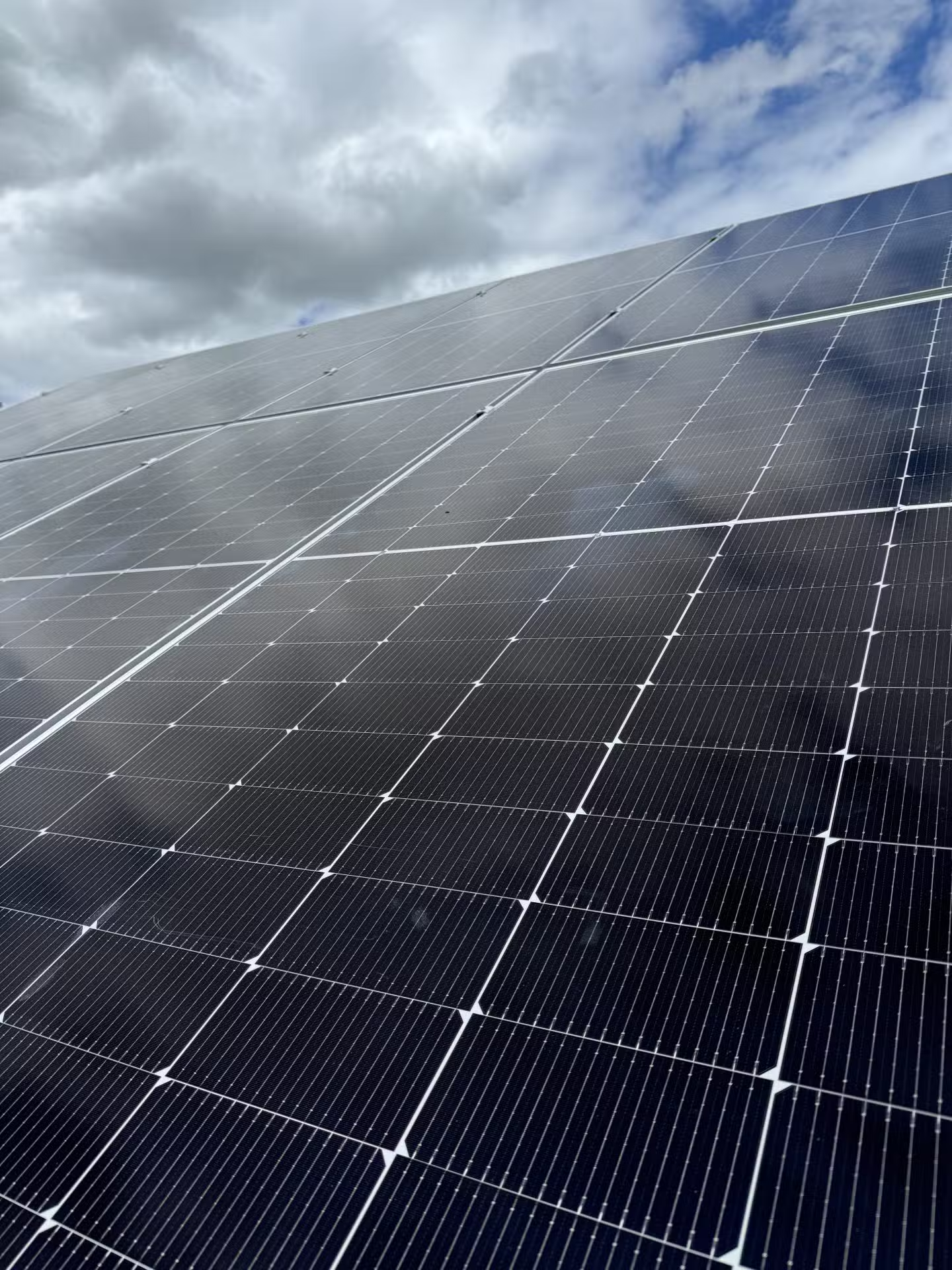
Solar PV (photovoltaic) technology converts sunlight directly into electricity. The panels contain semiconductor cells—typically silicon—that generate an electrical current when exposed to light. This electricity can then power anything in your home or business that runs on electricity.
How Solar PV Systems Work
Solar PV panels generate direct current (DC) electricity when photons from sunlight knock electrons free from atoms in the semiconductor material. An inverter then converts this DC electricity into alternating current (AC), which is the standard form used by household appliances and the national grid.
Modern solar PV systems typically include monitoring equipment that tracks energy generation in real-time, allowing you to see exactly how much electricity your system produces and how it's being used. Many systems also connect to smart home energy management systems for optimised consumption.
The Versatility of Solar PV
Unlike solar thermal, which serves a single purpose, solar PV offers remarkable flexibility in how you use the energy generated:
- Power all electrical appliances: From lighting and cooking to entertainment systems and home offices
- Heat water: Using an immersion heater with a solar diverter, or by powering a heat pump
- Charge electric vehicles: Home EV charging with solar dramatically reduces transport costs
- Store energy: Battery storage systems let you save surplus electricity for evening use
- Export to the grid: Earn money through the Smart Export Guarantee (SEG) for surplus electricity
- Power heating systems: Run electric radiators, underfloor heating, or heat pumps
This versatility explains why solar PV has become the dominant solar technology in UK homes and businesses. The ability to use generated electricity however you choose—including for water heating—makes it a far more practical investment for most properties.
Why Spectrum specialises in solar PV: Our expert solar installation services focus exclusively on PV technology because it offers the greatest value and flexibility for UK homes and businesses. With 14+ years of experience and MCS accreditation, we design systems that maximise your energy independence and financial returns.
Key Differences Between Solar Thermal and Solar PV
Understanding the fundamental differences between these technologies helps clarify why solar PV has become the preferred choice for most UK installations. The following comparison covers all the critical factors affecting performance and long-term value.
| Factor | Solar Thermal | Solar PV |
|---|---|---|
| Primary Output | Hot water only | Electricity (can power anything, including water heating) |
| Conversion Efficiency | 70-80% (heat from sunlight) | 18-23% (electricity from sunlight) |
| Practical UK Value | Limited to hot water savings | Reduces entire electricity bill + export income |
| Typical Roof Space | 2-4m² for domestic system | 15-25m² for typical 4kW domestic system |
| Maintenance Level | Higher (pumps, antifreeze, valves) | Minimal (occasional cleaning, inverter monitoring) |
| System Lifespan | 20-25 years (with component replacements) | 25-30+ years (inverter replacement at 10-15 years) |
| Government Support | None currently (RHI closed 2022) | Smart Export Guarantee (SEG) payments |
| Winter Performance | Significantly reduced | Reduced but still generates electricity |
| Battery Storage Compatible | No | Yes—store surplus for later use |
| EV Charging Compatible | No | Yes—charge vehicles with free solar electricity |
| UK Market Trend | Declining (few new installations) | Growing rapidly (industry standard) |
← Scroll horizontally to view full comparison →
Efficiency comparison explained: Solar thermal's higher conversion efficiency (70-80%) might seem superior to PV's 18-23%, but this comparison is misleading. Thermal efficiency only produces hot water, whilst PV's electricity can power water heating and everything else. In practical terms, a 4kW PV system meeting all electrical needs delivers far greater value than solar thermal's single-purpose output.
Which System Performs Better in the UK Climate?
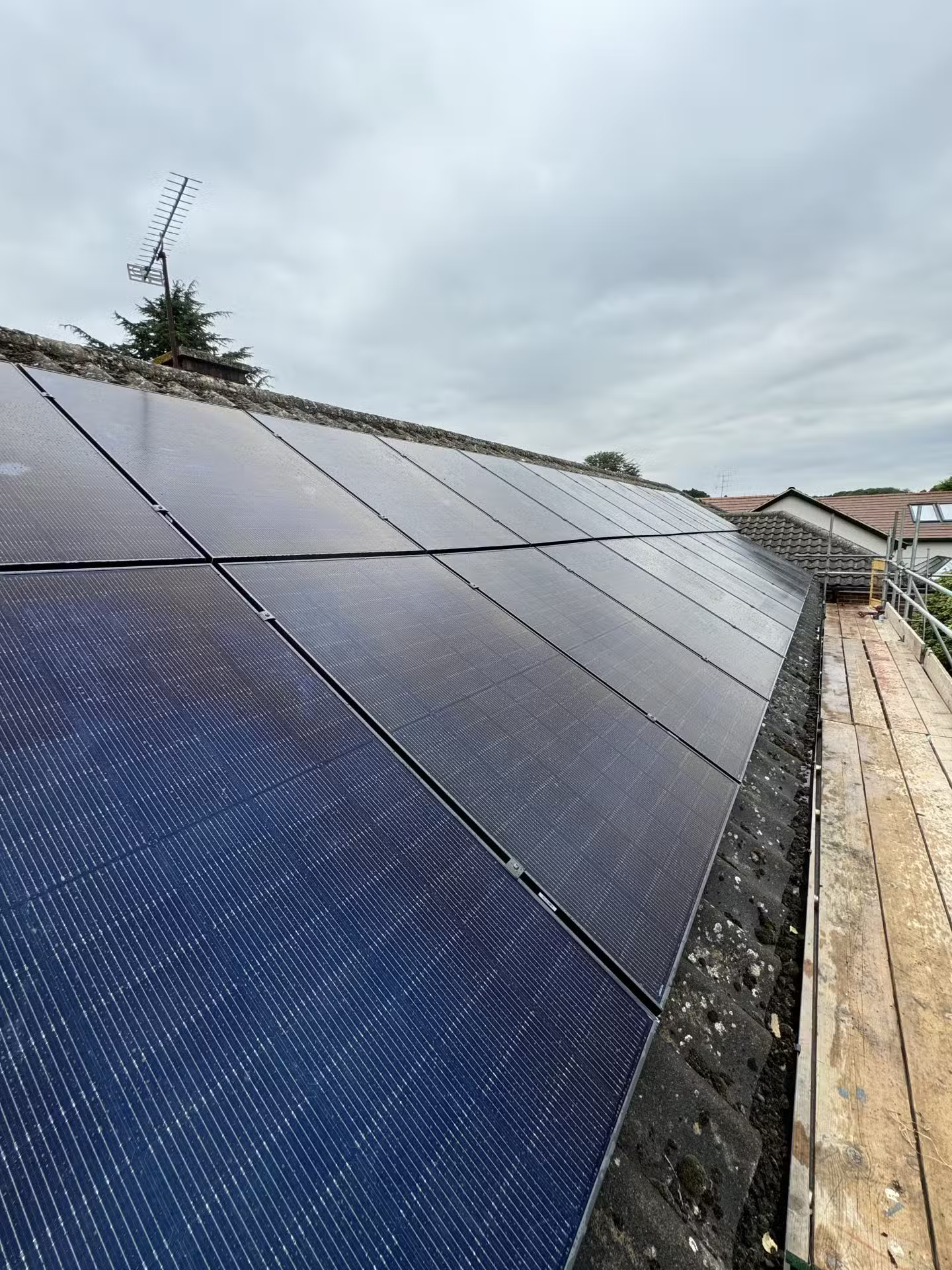
The UK's climate presents specific challenges for solar energy systems. Our relatively high latitude, frequent cloud cover, and significant seasonal variation in daylight hours all affect performance. Understanding how each technology responds to these conditions is crucial for setting realistic expectations.
Year-Round Performance Comparison
Solar thermal systems experience dramatic performance drops during winter months—precisely when hot water demand peaks. A typical UK solar thermal installation might provide 60-70% of hot water needs in summer but only 10-20% in winter. This seasonal mismatch limits the practical savings achievable.
Solar PV also generates less electricity in winter due to shorter days and lower sun angles, but the output remains useful year-round. Modern monocrystalline panels perform well even in diffuse light conditions, continuing to generate meaningful electricity on overcast days. A well-designed system in the East Midlands typically produces 850-1,000 kWh per kWp annually, with roughly 40% generated during winter months.
Cloudy Weather Performance
Both technologies see reduced output in cloudy conditions, but the impact differs significantly:
- Solar thermal: Requires direct sunlight to heat the transfer fluid effectively. Heavy cloud cover dramatically reduces heat generation, often to near-zero on overcast days.
- Solar PV: Continues generating electricity from diffuse light, typically producing 10-25% of peak output even under heavy cloud. Understanding solar panel efficiency helps set realistic expectations for UK conditions.
Smart Export Guarantee (SEG) – PV Exclusive Benefit
One significant advantage of solar PV is eligibility for the Smart Export Guarantee. This government-backed scheme requires energy suppliers to pay for electricity you export to the grid. Rates vary considerably between suppliers—the best flat-rate tariffs currently offer 15-16p per kWh, whilst time-of-use tariffs can reach 25-30p during peak periods. This provides an income stream that solar thermal simply cannot match.
Solar thermal produces heat, which cannot be exported—any excess hot water generated on sunny summer days is essentially wasted if you don't use it. Solar PV surplus, by contrast, either earns export payments or can be stored in a battery system for later use.
Maintenance Requirements
The maintenance burden differs significantly between these technologies, affecting system reliability over time.
Solar Thermal Maintenance
Solar thermal systems contain more mechanical components, which require regular attention:
- Annual system check: Pump operation, pressure levels, controller function
- Antifreeze replacement: Heat transfer fluid degrades over time (typically every 3-5 years)
- Valve and pump inspection: Moving parts wear and may need replacement
- Cylinder anode check: Sacrificial anodes protect against corrosion
- Glycol testing: Ensuring antifreeze mixture remains effective
Annual maintenance is required for solar thermal systems, with occasional component replacements needed. Finding qualified solar thermal technicians is becoming increasingly difficult as the technology declines in popularity.
Solar PV Maintenance
Solar PV systems are remarkably low-maintenance due to their solid-state design with no moving parts:
- Occasional cleaning: Solar panel cleaning every 1-2 years, or more frequently near trees or busy roads
- Visual inspection: Checking for damage, debris, or shading changes
- Monitoring review: Checking generation data for anomalies
- Inverter replacement: Typically needed once after 10-15 years
Many PV systems operate for years with minimal intervention. Our solar panel maintenance and support services help ensure your system performs optimally throughout its lifespan, with regular system health checks identifying any issues early.
Maintenance comparison: Over a 25-year period, solar thermal systems require significantly more maintenance including component replacements. Solar PV systems need minimal intervention beyond occasional cleaning and one inverter replacement. This difference in maintenance burden is an important consideration when choosing between technologies.
Pros and Cons Summary
This quick-reference comparison highlights the key advantages and disadvantages of each technology for UK installations.
Solar Thermal
✓ Advantages
- High efficiency at converting sunlight to heat
- Compact footprint (less roof space needed)
- Simple concept—heats water directly
- Effective for high hot water demand
✗ Disadvantages
- Only produces hot water—no other uses
- Poor winter performance when demand highest
- Requires compatible plumbing/cylinder
- No government incentives (RHI closed)
- Higher maintenance requirements
- Cannot export surplus energy
- Technology in decline—fewer installers
Solar PV
✓ Advantages
- Powers any electrical appliance
- Can heat water (via diverter/heat pump)
- Charges EVs with free solar electricity
- Works with battery storage
- Earns money through SEG exports
- Low maintenance requirements
- 25-30+ year lifespan
- Growing technology with strong support
- Better year-round UK performance
✗ Disadvantages
- Requires more roof space
- Lower conversion efficiency (sunlight to output)
- Inverter replacement needed after 10-15 years
- Generation varies with weather/season
Which System Should You Choose?
Choosing between solar thermal and solar PV ultimately depends on your specific circumstances, energy usage patterns, and goals. However, for the vast majority of UK properties, solar PV offers superior value and flexibility.
✓ Choose Solar PV If You:
- Want to reduce your overall electricity bills
- Have moderate to high household electricity consumption
- Own or plan to purchase an electric vehicle
- Are interested in battery storage for energy independence
- Prefer minimal maintenance requirements
- Want to earn export income through the SEG
- Value flexibility in how you use generated energy
- Are looking for the best long-term financial return
Consider Solar Thermal If You:
- Have exceptionally high hot water demand (large family, multiple bathrooms)
- Already have a compatible unvented cylinder with solar coil
- Have very limited roof space (under 15m²)
- Specifically want a dedicated hot water solution only
- Are adding to an existing renewable system and only need hot water
For most homeowners researching solar panel options, PV represents the smarter investment. The technology has matured significantly, costs have fallen dramatically, and the versatility of electrical generation provides benefits that solar thermal simply cannot match.
Can You Use Solar PV for Water Heating?
Yes—and this is a key reason why solar PV often makes more sense than dedicated solar thermal. Several options exist for using PV-generated electricity to heat water:
- Solar diverter (immersion controller): Devices like the iBoost or Eddi automatically divert surplus PV generation to your immersion heater, heating water for free rather than exporting at lower SEG rates.
- Heat pump systems: Smart home energy management can power air or ground source heat pumps using solar electricity for highly efficient water and space heating.
- Direct electric heating: Simply power your existing electric water heating system during peak solar generation periods.
These approaches provide the hot water benefits of solar thermal whilst retaining all the additional advantages of PV—including powering other appliances, battery storage compatibility, and SEG export income.
Frequently Asked Questions
Why Choose Spectrum Energy Systems for Solar PV?
At Spectrum Energy Systems, we've been designing and installing solar PV systems across the East Midlands since 2011. Our focus on PV technology reflects our belief that it offers the best value for UK homes and businesses—providing flexibility, strong returns, and genuine energy independence.
Our experienced team brings MCS accreditation and NICEIC certification to every project, ensuring your installation meets the highest standards. From initial assessment through design, installation, commissioning, and ongoing support, we manage the entire process—including DNO applications and grid connection paperwork.
What We Offer
- Expert design: Systems tailored to your property, usage patterns, and goals
- Quality components: Tier-one panels, reliable inverters, manufacturer-backed warranties
- Full project management: From survey to commissioning with minimal disruption
- Battery integration: Storage solutions to maximise self-consumption
- EV charging: Home charger installation to complement your solar system
- Ongoing support: Maintenance packages and monitoring assistance
Whether you're a homeowner looking to cut electricity bills or a business seeking to reduce operational costs and carbon footprint, we provide honest advice and professional installation you can trust. View our case studies to see real examples of our work across Nottingham, Derby, Leicester, Lincoln, and the wider East Midlands.
Ready to Explore Solar PV for Your Property?
Our Nottingham-based specialists provide free, no-obligation assessments with honest guidance on whether solar PV is right for your situation.
Get Your Free Quote Contact Our TeamConclusion: Solar PV Is the Clear Choice for Most UK Properties
Whilst both solar thermal and solar PV harness the sun's energy, they serve fundamentally different purposes—and for most UK homes and businesses, solar PV delivers substantially better value. The ability to power all electrical appliances, earn export income, integrate with battery storage and EV charging, and benefit from lower maintenance requirements makes PV the smarter long-term investment.
Solar thermal may still suit specific high-hot-water-demand scenarios, but the technology's declining market presence, lack of government support, and single-purpose output limit its appeal for most applications. With solar PV, you can heat water too—using diverters or heat pumps—whilst retaining all the additional benefits that electricity generation provides.
If you're considering solar energy for your property, focus your research on choosing the right solar panels, understanding efficiency factors, and working with experienced, accredited installers who can design a system optimised for your specific circumstances.
Ready to take the next step? Request a free quote or contact our team to discuss your solar options with specialists who've been helping East Midlands properties generate clean energy since 2011.
About Spectrum Energy Systems: Established in 2011, we're MCS-accredited solar PV installers serving Nottingham, Derby, Leicester, Lincoln, and the wider East Midlands. From initial design through installation to ongoing maintenance, we deliver complete solar solutions for homes and businesses. Learn more about our expertise or explore our homeowner resources for comprehensive solar guidance.