
Solar Panels for Landlords: The Rental Property Guide
For landlords, solar is an EPC and lettability play as much as an energy one: rental homes must currently meet EPC E, policy is pushing the requirement towards C, and solar buys score efficiently on properties with decent roofs. The tenant banks the bill savings, the landlord banks the band, the void-resistance and the future-proofing.
In This Guide
Why landlords are fitting solar now
Three pressures converged on the rental sector. Minimum energy standards, currently EPC E to let in England and Wales, with government policy steering the requirement towards C in the coming years, so improvement works are increasingly a matter of when rather than whether. Tenant demand, because energy costs are now a question renters ask at viewings, and a home with solar rents on lower running costs. And the VAT window: 0% VAT applies to installations on residential property until 31 March 2027, which includes rental homes, trimming the invoice for exactly the period landlords are being pushed to act in.
Who pays, who benefits: the honest split
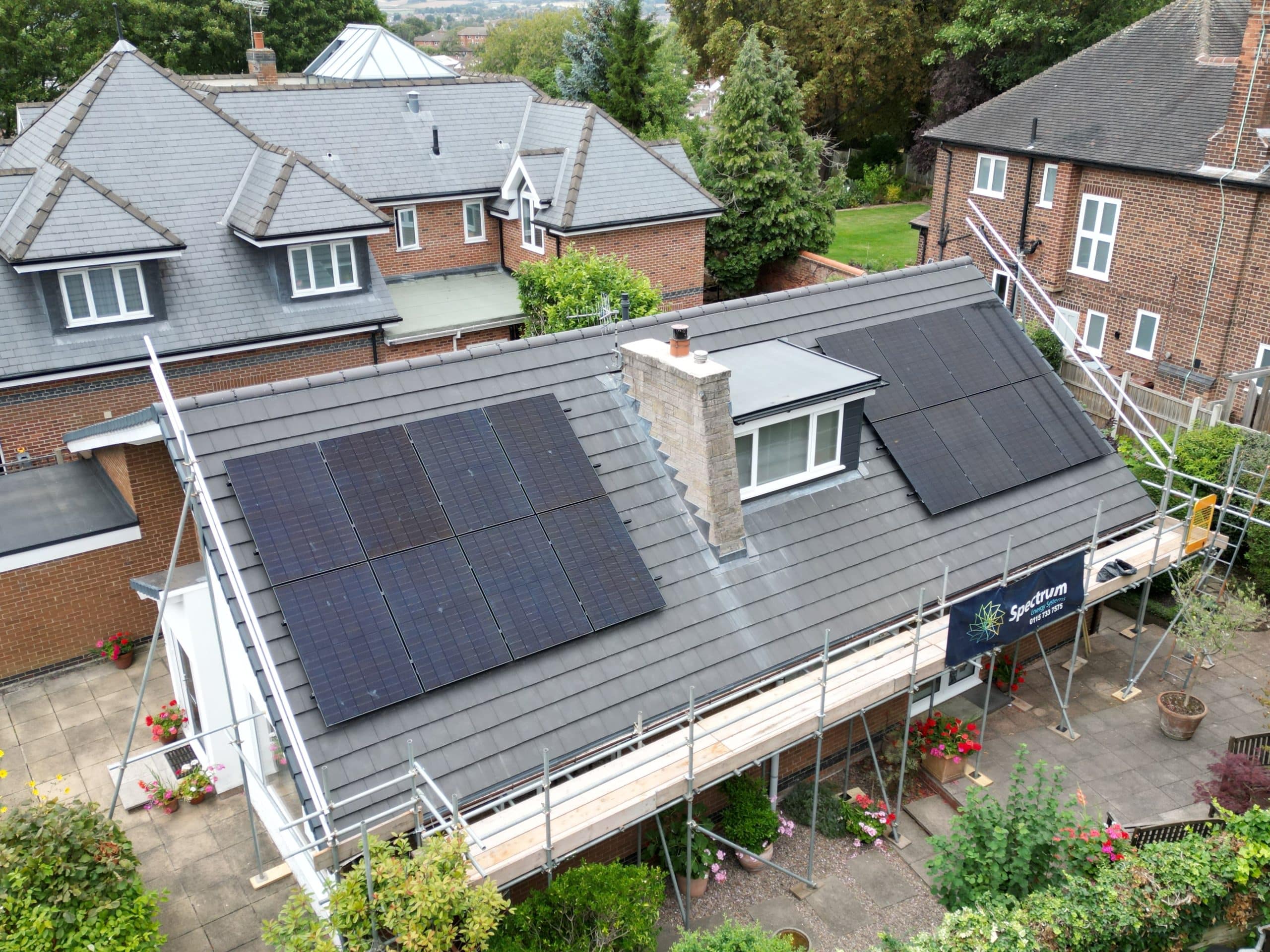
The classic landlord objection is paying for savings the tenant enjoys. True as far as it goes, and worth stating precisely:
- The tenant getsLower electricity bills, since the supply is theirs and the daytime solar offsets it, plus any export payments if the supply account registers for them.
- The landlord getsThe EPC uplift and compliance headroom, a genuine letting feature, stronger renewals on a property that costs less to run, and an asset improvement with a 25-year warranty attached.
- The split is the pointYou are not buying bill savings; you are buying band, lettability and future-proofing, with the tenant's benefit doing the marketing for you.
The EPC arithmetic
On a rental with a sound roof, solar is one of the most efficient score purchases available: the assessment credits on-site generation strongly, and a properly sized array commonly carries a mid-D property into C territory, the band the policy direction cares about. It does not substitute for missing insulation basics, and the smart sequencing on a weak-fabric property is loft and basic measures first, then solar to cross the line. The mechanics of how the assessment counts panels, and getting the certificate refreshed afterwards, are in our EPC guide; the social-housing version of the same approach, at scale, is in the housing associations guide.
Tenants, access and the practical bits
- Tell the tenants earlyA day or two of scaffold and a brighter energy outlook is an easy conversation had in advance and a grievance sprung late.
- Installs are quickTypically a day or two on site per property, with the tenant's supply off only briefly at connection.
- Handover mattersThe tenant needs the monitoring app and the one-page how-it-works; the landlord keeps the MCS certificate and warranties with the property records, ready for any future sale.
- Insurance and paperworkDeclare the panels on the landlord policy, same as any building improvement, per our insurance guide.
- Batteries are optional herePanels alone usually carry the EPC and lettability case; storage suits longer-term holds and can be added later.
Portfolio thinking
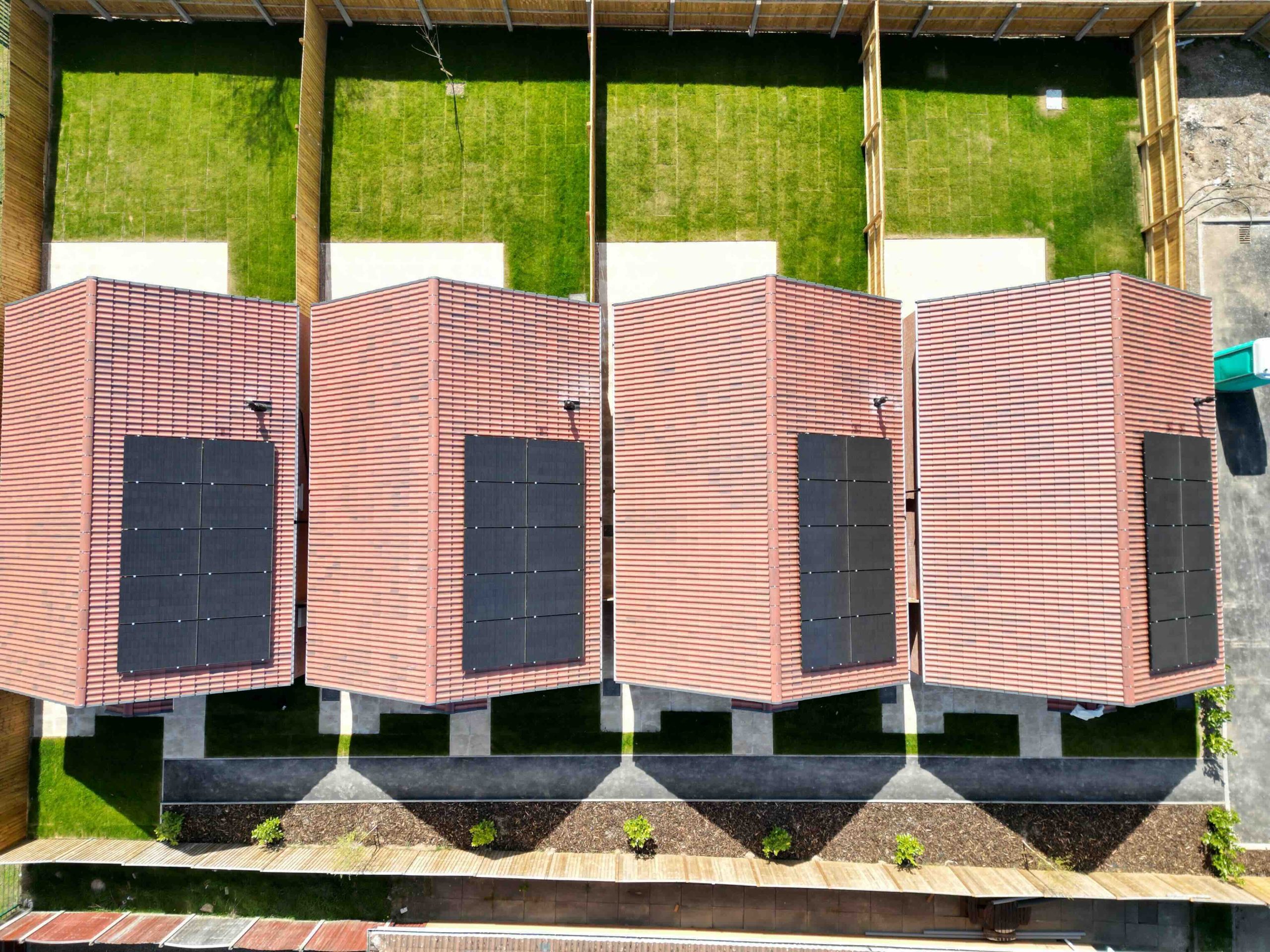
Landlords with several properties get economics singles do not: surveying and scaffolding runs batch efficiently, kit standardises, and the EPC uplift lands across the portfolio ahead of whatever compliance date finally sticks. The sensible sequence is an audit pass across the portfolio first, current EPCs, roof orientations, coverings and consumer unit conditions, then a prioritised programme starting with the properties nearest the compliance line and the best roofs. That is a spreadsheet exercise we help landlords run before anyone quotes anything, and it routinely reorders which properties go first.
One rental or a portfolio?
We survey rental properties and portfolios across the East Midlands, sequence the work around tenancies, and hand over the paperwork your records and your letting agent need. Call 0115 773 7575, 8am to 8pm, Monday to Friday.
Book a feasibility assessmentFrequently asked questions
Is it worth a landlord putting solar panels on a rental property?
Judged as an EPC, lettability and future-proofing purchase, increasingly yes: minimum standards are heading towards C, solar buys score efficiently on good roofs, and 0% VAT runs until 31 March 2027. Judged purely on bill savings you personally pocket, no, because the tenant's supply gets the benefit.
Who gets the export payments on a rented house with solar?
Whoever holds the electricity supply, which in a standard tenancy is the tenant: they can register the system for a Smart Export Guarantee tariff using the MCS certificate. Landlords keeping bills in their own name, as in some HMOs, keep the export income the same way.
Can I raise the rent because I fitted solar panels?
Rent is set by the market and your tenancy terms, not by any solar entitlement, but a home with visibly lower running costs competes better at every renewal and re-let, which is how the investment actually returns. Many landlords find reduced voids and stronger renewals beat a headline rent bump.
Do I need my tenant's permission to install solar?
You need access arranged per the tenancy terms rather than consent to improve your own building, and a cooperative tenant makes everything smoother, so treat it as a joint win from the first conversation. Most tenants greet lower bills with enthusiasm rather than objection.
Will solar get my rental from EPC D to C?
On many mid-D properties with decent roofs, yes, solar contributes enough score to cross the line, which is exactly why landlords are moving now. Weak-fabric properties may need insulation basics alongside. An audit of the current EPC tells you the gap before anyone quotes panels.
What happens to the solar system when I sell the rental?
It transfers with the property like any fixture, warranties and MCS certificate included, and a rental with solar and a compliant EPC sells to other landlords precisely because the compliance work is already done. Keep the paperwork filed; it becomes part of the sales pack.
Related reading
- Do solar panels improve your EPC rating?
- Solar for housing associations and MEES
- Solar panels and home insurance
- Selling a house with solar panels
- Solar panel and battery package prices
Compliance done once, done properly
We are an MCS certified installer (NIC200223) based in Bulwell, Nottingham, working with private landlords and housing providers across the East Midlands. Call 0115 773 7575, 8am to 8pm, Monday to Friday.
Get in touch