Solar Panel Maintenance Guide: How to Keep Your UK Solar System Working Efficiently
Solar panels are remarkably low-maintenance—but they're not entirely maintenance-free. With the right care, your solar PV system will generate clean electricity reliably for 25-30 years or more. This comprehensive UK guide explains exactly what maintenance your panels need, when to clean them, how to spot problems early, and when professional servicing makes sense.
At Spectrum Energy Systems, we've been installing and maintaining solar systems across the East Midlands since 2011. We've learned what keeps systems performing at their best—and what causes preventable problems.
Whether you have a domestic solar installation on your home or a commercial solar array on business premises, understanding basic maintenance helps protect your investment and maximise energy generation. The good news? Most maintenance tasks are straightforward, and many UK homeowners handle routine checks themselves.
This guide covers everything from simple cleaning techniques to recognising when your system needs professional attention. We'll explain the differences between domestic and commercial maintenance requirements, help you create a practical maintenance schedule, and show you how to get the most from your solar investment.
What's in This Guide
- Do Solar Panels Need Maintenance?
- How Often Should You Clean Solar Panels?
- How to Clean Solar Panels Safely
- Maintenance Checklist for Homeowners
- Inverter, Battery & Component Checks
- Common Problems and How to Spot Them
- Commercial Solar Maintenance
- DIY vs Professional Maintenance
- Maintaining Panels Through UK Seasons
- Frequently Asked Questions
Need Professional Solar Maintenance?
Our MCS-accredited engineers provide thorough system health checks across Nottingham, Derby, Leicester, and Lincoln
Get a Free Quote Contact Our TeamDo Solar Panels Need Maintenance?
Solar panels have no moving parts, which makes them inherently reliable. Unlike boilers, air conditioning units, or vehicles that require regular servicing to function safely, solar PV systems largely look after themselves. However, "low maintenance" doesn't mean "no maintenance"—several factors can affect performance over time.
What Can Reduce Solar Panel Performance?
Dirt and debris accumulation: Dust, pollen, bird droppings, leaves, and general grime reduce the amount of sunlight reaching your solar cells. In the UK's rainy climate, light soiling typically reduces output by 2-5%, but stubborn deposits like bird droppings can cause losses of 15-25% on affected panels due to their adhesive nature and tendency to create hotspots.
Shading changes: Trees grow, neighbours add extensions, new buildings appear. Shading that didn't exist when your system was installed can dramatically reduce generation. Even partial shading affects performance—one shaded panel can reduce output across an entire string with traditional string inverter systems.
Component wear: Whilst panels themselves typically last 25-30+ years, other components have shorter lifespans. Inverters usually need replacing after 10-15 years. Cables, connectors, and mounting brackets can degrade, particularly in coastal or industrial environments.
Weather damage: UK weather is generally kind to solar panels, but severe storms can cause issues. Hail, flying debris, or fallen branches occasionally damage panels. Lightning strikes, though rare, can affect electrical components.
Domestic vs Commercial Maintenance
Domestic systems (typically 3-15 panels) usually need less frequent attention. Homeowners can handle most routine checks, with professional servicing every 1-2 years.
Commercial systems (often 50-500+ panels) require more structured maintenance programmes. Larger arrays mean greater financial impact from underperformance, justifying regular professional monitoring and more frequent cleaning schedules. Explore our commercial solar maintenance services for business systems.
How Often Should You Clean Solar Panels in the UK?
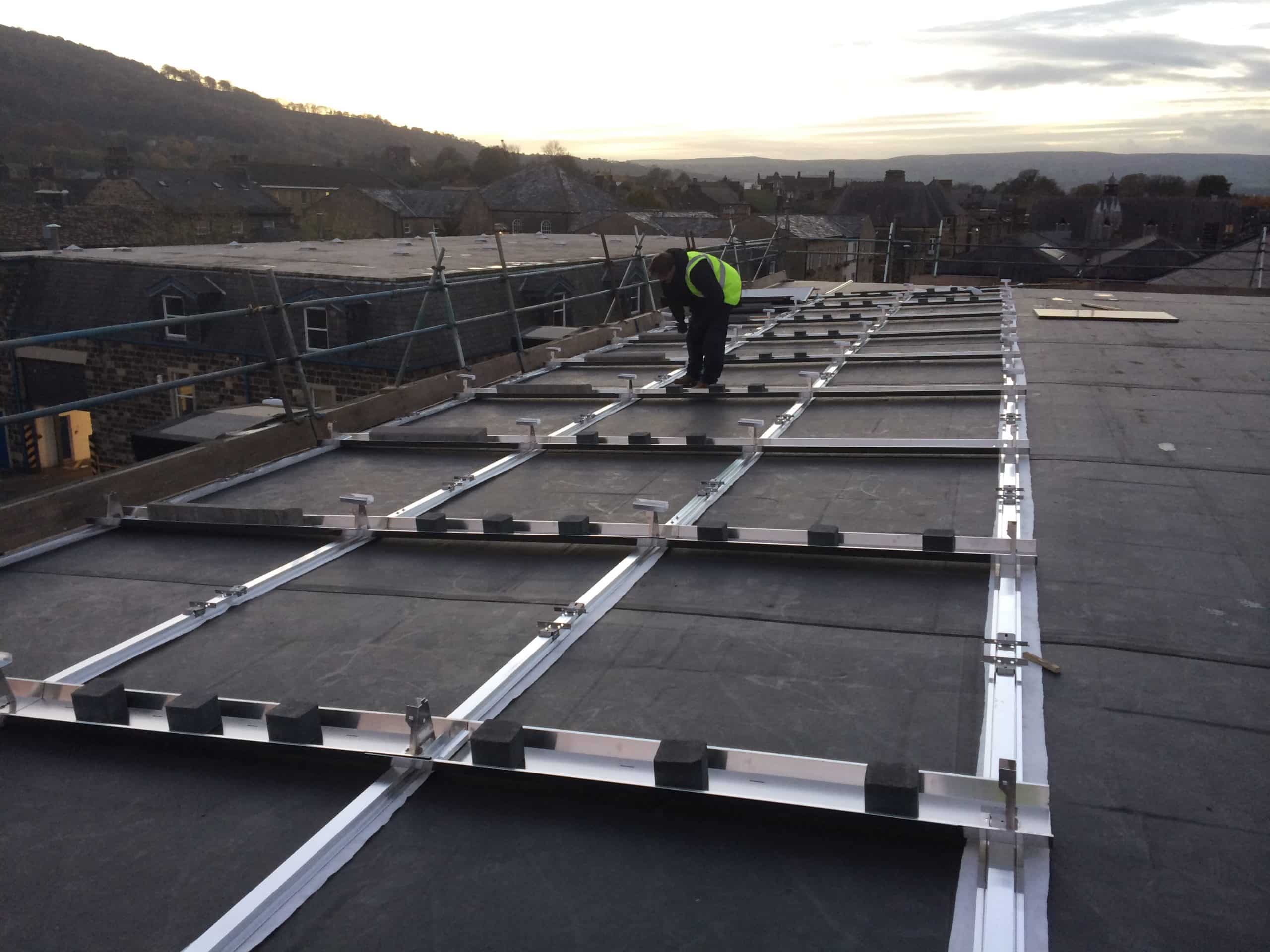
One of the most common questions we hear is whether UK rainfall keeps panels clean. The short answer: rain helps, but it's rarely enough on its own.
Rainfall removes loose dust and provides some natural cleaning, particularly during heavy downpours. However, rain doesn't remove stubborn deposits like bird droppings, tree sap, pollen, or the oily film from traffic pollution. These residues bake onto panels in sunlight, becoming harder to remove over time.
Recommended Cleaning Frequency
For most UK domestic installations, cleaning once or twice per year is sufficient. Spring and autumn are ideal times—spring removes winter grime and pollen buildup, whilst autumn clears fallen leaves and summer dust before shorter winter days when you need maximum generation.
However, some situations require more frequent cleaning:
- Near trees: Sap, pollen, and bird droppings from nesting birds may require cleaning every 3-4 months
- Close to busy roads: Traffic film accumulates faster, particularly near motorways or industrial areas
- Agricultural settings: Dust from farming activities, particularly during harvest, can coat panels quickly
- Coastal locations: Salt spray leaves residue that reduces efficiency and can cause corrosion if left unchecked
- Under flight paths: Aircraft can deposit residue, though this affects relatively few properties
- Flat or low-angle installations: Panels below 15° don't self-clean as effectively as steeper installations
Understanding how solar panel efficiency works helps explain why keeping panels clean matters—even small obstructions reduce the light reaching your solar cells.
Quick Performance Check
Compare your system's output to previous years using your monitoring app or inverter display. If generation seems lower than expected for similar weather conditions, dirty panels could be the cause. A noticeable improvement after cleaning confirms this was the issue.
How to Clean Solar Panels Safely
If your panels are accessible and you're comfortable working safely, DIY cleaning is straightforward. The key principles are: use soft materials, avoid harsh chemicals, and never risk your safety.
Step-by-Step Cleaning Guide
- Choose the right conditions: Clean on a cool, overcast day or early morning. Hot panels in direct sunlight can cause thermal shock when cold water hits them, and water evaporates too quickly to clean effectively. Check the weather forecast—you don't want rain immediately after cleaning, though light rain helps rinse residue.
- Gather your equipment: You'll need a soft-bristle brush or non-abrasive sponge, a garden hose with gentle spray nozzle, a telescopic extension pole (for ground-level cleaning), and a bucket of lukewarm water. Optionally, add a tiny amount of mild washing-up liquid—but no more than a few drops per bucket.
- Remove loose debris first: Use a soft brush to gently sweep away leaves, twigs, and loose dirt. Work from top to bottom so debris falls away from cleaned areas.
- Rinse with plain water: Spray panels gently with your garden hose. This removes most surface dust and loosens stubborn deposits. Avoid high-pressure settings—the goal is gentle rinsing, not blasting.
- Clean stubborn marks: For bird droppings, sap, or sticky residue, apply your mild soapy water with a soft sponge or cloth. Use gentle circular motions and avoid pressing hard. Never scrape or scrub aggressively.
- Final rinse: Rinse thoroughly with clean water to remove all soap residue. Soap left on panels can leave streaks that actually reduce performance.
- Allow to air dry: Don't wipe panels dry—this risks scratching the surface. Let them dry naturally.
⚠️ Safety Warning: What to Avoid
- Pressure washers: High pressure can crack glass, damage seals, and force water into electrical components
- Abrasive materials: Scouring pads, wire brushes, or rough cloths scratch the glass surface, permanently reducing efficiency
- Harsh chemicals: Bleach, ammonia, solvents, or strong detergents can damage anti-reflective coatings and panel frames
- Walking on panels: Never step on solar panels—they're not designed for foot traffic and will crack
- Cleaning hot panels: Sudden temperature changes can cause thermal shock and crack the glass
- Working at height unsafely: Falls from roofs cause serious injuries. If you can't clean safely from the ground, hire professionals
When to Call Professional Cleaners
Consider professional cleaning services when:
- Panels are on a steep pitch or multi-storey building
- Safe access isn't possible from ground level
- You're not comfortable working at height
- Stubborn staining won't shift with gentle cleaning
- Your system has many panels (20+) making DIY impractical
- You'd rather ensure the job is done thoroughly and safely
Our comprehensive solar panel cleaning guide provides additional detail on techniques, equipment, and when professional help makes sense.
Solar Panel Maintenance Checklist for Homeowners
A structured approach to maintenance helps catch problems early and keeps your system performing optimally. Here's a practical checklist you can follow.
Your Solar PV Maintenance Schedule
Monthly/Quarterly Checks (DIY)
- Review monitoring app data for unusual drops
- Visual check from ground level for obvious debris
- Compare output to previous months/years
- Check for new shading from tree growth
- Listen for unusual inverter noises
- Verify inverter display shows no errors
- Ensure nothing is stored against panels
Annual Checks (DIY + Professional)
- Thorough visual inspection of all panels
- Check for cracks, chips, or discolouration
- Inspect visible cables for damage
- Clean panels if needed
- Check mounting brackets appear secure
- Review annual generation against expectations
- Consider professional inspection every 1-2 years
Regular monitoring is perhaps the most important maintenance activity. Modern systems with apps like smart energy monitoring make it easy to spot problems quickly. If you notice generation dropping unexpectedly, investigate promptly—early intervention prevents small issues becoming expensive repairs.
Solar Inverter, Battery and System Component Checks
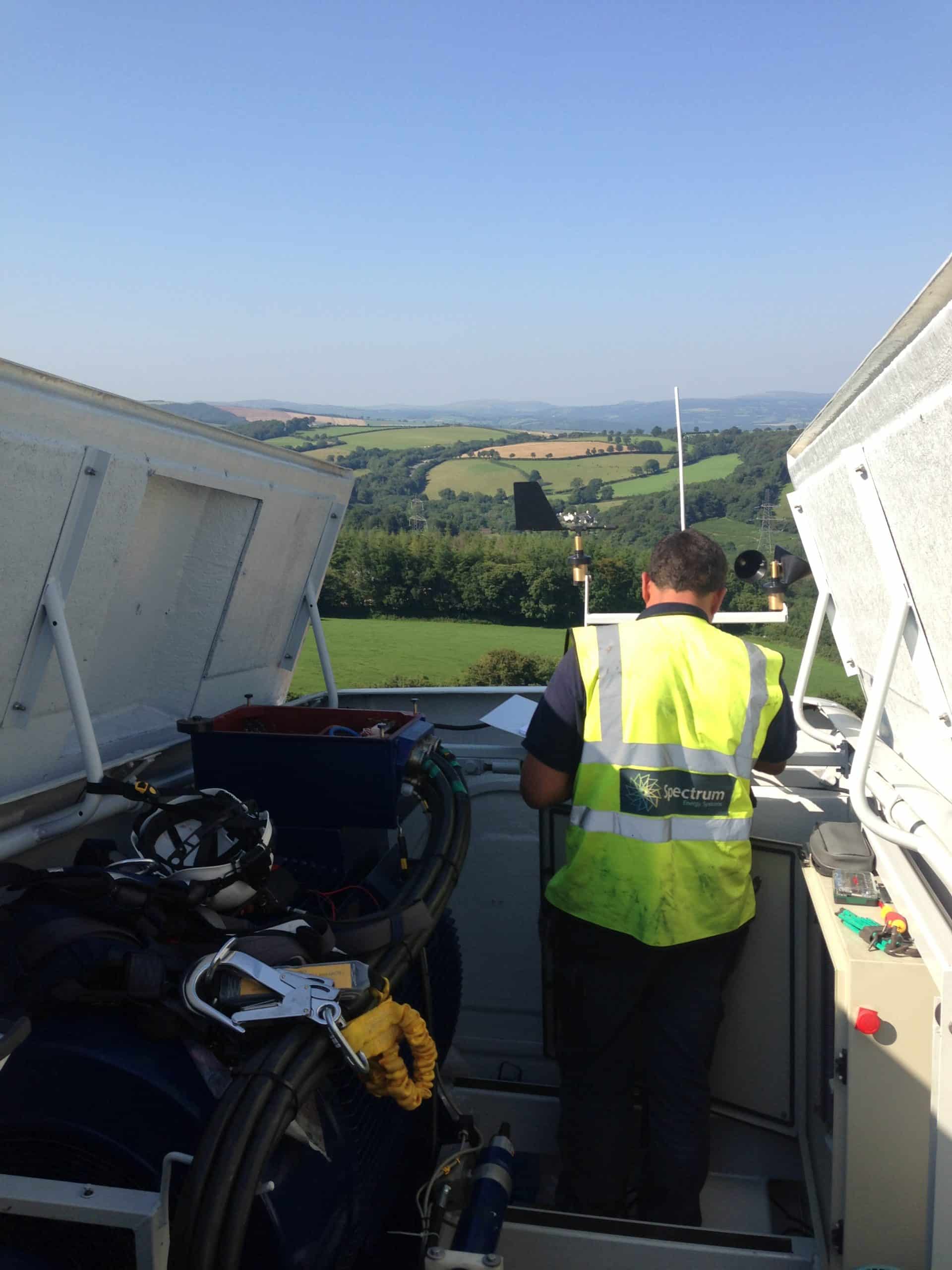
Whilst panels often steal the spotlight, other components require attention too. Your inverter works constantly whenever the sun shines, converting DC electricity from panels into AC power for your home. This makes it the component most likely to need replacement during your system's lifetime.
Inverter Maintenance
Lifespan expectations: String inverters typically last 10-15 years, whilst micro inverters can last 20-25 years. Most manufacturers offer warranties of 5-12 years, with extended warranties available.
Location matters: Inverters generate heat during operation. They perform best and last longest in cool, well-ventilated spaces. If yours is in direct sunlight or a confined cupboard, consider improving ventilation or adding shade.
Regular checks: Glance at your inverter display weekly if you pass it. Green lights typically indicate normal operation; yellow or red warnings need investigation. Note any error codes and contact your installer if they persist.
Unusual sounds: Inverters normally produce a gentle hum during operation. Clicking, buzzing, or other unusual noises can indicate problems developing.
Battery Storage Maintenance
If you have home battery storage or commercial battery backup, these systems also need periodic attention:
- Temperature monitoring: Batteries perform best within specific temperature ranges. Most modern systems manage this automatically, but check your app occasionally
- Capacity checks: Battery capacity gradually decreases over time. Most systems show state-of-health readings—a gradual decline is normal, sudden drops warrant investigation
- Ventilation: Ensure nothing blocks airflow around battery units
- Firmware updates: Keep battery management software current for optimal performance and safety
Understanding the benefits of solar panel battery storage helps you appreciate why maintaining these systems matters for long-term value.
Monitoring System Checks
Your monitoring system (whether built into the inverter or a separate device) is your window into system performance. Keep it working properly:
- Ensure WiFi connection remains stable
- Update apps when new versions are available
- Check data is recording correctly (gaps indicate connection issues)
- Set up alerts for generation drops or error notifications
When to Replace Your Inverter
Signs your inverter may need replacement include: frequent error messages, reduced efficiency compared to expected output, unusual noises, physical damage, or simply reaching end of expected lifespan. Proactive replacement before complete failure ensures continuous generation. Contact your installer for a replacement quote when needed.
Common Solar Panel Problems and How to Spot Them
Most solar systems operate trouble-free for decades, but knowing what problems can occur helps you catch issues early. Here are the most common problems and their warning signs.
Performance-Related Issues
| Problem | Warning Signs | Likely Cause | Action Required |
|---|---|---|---|
| Sudden output drop | Generation falls significantly overnight or over days | Inverter fault, tripped circuit, cable damage | Check inverter display; contact installer if errors persist |
| Gradual decline | Output slowly decreasing over months | Dirt buildup, developing shading, panel degradation | Clean panels; check for new shading; request inspection |
| One panel underperforming | Monitoring shows one panel producing less | Localised shading, bird droppings, panel fault | Visual inspection; clean if dirty; professional check if clean |
| Inconsistent generation | Output fluctuates unexpectedly | Loose connection, intermittent fault, grid issues | Professional electrical inspection recommended |
Physical Damage Signs
Cracked or chipped glass: Usually caused by impact from hail, debris, or dropped tools during roof work. Small cracks may not immediately affect performance but will worsen over time and allow moisture ingress.
Hotspots: Areas that overheat due to cell damage, poor connections, or severe shading. Professional thermal imaging identifies these. Visible signs include discolouration or burn marks.
Delamination: The protective layers separating from the solar cells, appearing as bubbling or cloudiness. This allows moisture in and will progressively reduce output.
Frame corrosion: More common in coastal areas. Check aluminium frames for white powdery oxidation, particularly around joints and fixings.
Cable damage: Rodents, birds, or UV degradation can damage cable insulation. Look for exposed wires, chew marks, or brittle/cracked insulation.
Our guide to common solar panel problems covers troubleshooting in greater detail.
Professional Inspection Benefits
Whilst you can spot many issues yourself, professional inspections using thermal imaging cameras can identify problems invisible to the naked eye. Hotspots, micro-cracks, and connection issues show clearly on thermal scans. Consider professional inspection every 2-3 years, or immediately if you suspect problems.
Commercial Solar Maintenance: Essential Differences
Commercial solar installations demand a more rigorous maintenance approach than domestic systems. With larger arrays representing significant capital investment, optimising performance directly impacts your business's bottom line.
Why Commercial Maintenance Differs
Scale of impact: A 5% efficiency loss on a 100kW commercial system has far greater financial impact than the same percentage loss on a 4kW domestic installation. Regular professional maintenance delivers strong returns through maintained generation.
Access complexity: Many commercial installations sit on warehouse roofs, requiring proper access equipment and safety procedures. DIY maintenance is rarely appropriate.
Compliance requirements: Commercial electrical installations must meet specific regulations. Regular inspection by qualified engineers ensures continued compliance and protects your business.
Insurance considerations: Commercial insurance policies often require documented maintenance programmes. Neglecting maintenance could affect claims.
Recommended Commercial Maintenance Schedule
| Activity | Frequency | Who Performs |
|---|---|---|
| Remote monitoring review | Daily/Weekly (automated) | In-house or maintenance provider |
| Visual inspection | Monthly | Site staff (ground level only) |
| Professional cleaning | 2-4 times yearly | Specialist cleaning contractor |
| Electrical inspection | Annually | NICEIC-qualified engineer |
| Thermal imaging survey | Annually | Specialist surveyor |
| Full system audit | Every 2-3 years | MCS-accredited installer |
For businesses across manufacturing, retail, offices, agriculture, and education, we provide tailored maintenance programmes through our commercial solar care services.
Performance Monitoring and Reporting
Commercial systems should include comprehensive monitoring providing:
- Real-time generation data
- Historical performance comparison
- Automated alerts for performance drops
- String or panel-level monitoring where installed
- Environmental data correlation (irradiance vs output)
This data feeds into regular performance reports, helping identify issues quickly and demonstrating system value to stakeholders. Our complete business solar guide explains commercial monitoring in detail.
DIY vs Professional Maintenance: Making the Right Choice
Understanding when DIY maintenance is appropriate—and when professional help is essential—helps you maintain your system safely and effectively.
✓ Suitable for DIY
- Monitoring system output via apps
- Visual inspection from ground level
- Checking for obvious debris or shading
- Cleaning panels accessible from ground with telescopic pole
- Noting inverter error codes
- Keeping records of system performance
- Checking ventilation around equipment
⚡ Requires Professional Help
- Any electrical work or testing
- Roof access for inspection or cleaning
- Investigating persistent error codes
- Thermal imaging inspections
- Cable or connection repairs
- Inverter replacement or repair
- Warranty-related inspections
- Commercial system maintenance
Benefits of Professional Servicing
Safety: Qualified engineers have proper equipment and training for working at height and with electrical systems. Falls and electrical accidents cause serious injuries—professional service eliminates these risks.
Thoroughness: Professionals spot issues that untrained eyes miss. Thermal cameras reveal hotspots; electrical testing identifies connection problems; experienced observation catches early-stage faults.
Warranty protection: Some warranties require professional maintenance. Even where not mandated, documented professional servicing supports any future warranty claims.
Expert advice: Engineers can recommend upgrades, identify optimisation opportunities, and provide guidance on extending system life.
Peace of mind: Knowing your system has been properly inspected lets you trust it's working safely and efficiently.
Our solar system health check service provides thorough professional inspection for domestic systems. For a broader view of long-term maintenance support, visit our solar panel maintenance support page.
Maintaining Solar Panels Through UK Seasons
The UK's variable weather creates different maintenance considerations throughout the year. Planning your maintenance around the seasons helps keep your system performing optimally.
Spring (March–May)
Spring is ideal for maintenance. Check for any damage from winter storms, clear accumulated debris, and clean panels to maximise generation as days lengthen. Watch for pollen buildup, particularly if you're near trees or countryside—yellow pollen coating can significantly reduce output.
Summer (June–August)
Peak generation season means any maintenance issues have a bigger impact on your output. Keep an eye on monitoring data and address problems promptly. Bird activity increases nesting and droppings—clean affected panels to prevent baked-on deposits. Ensure inverter ventilation is adequate during hot spells.
Autumn (September–November)
Falling leaves are the main concern. Check panels regularly and clear debris before it builds up. This is another good time for thorough cleaning before winter. Review annual performance data and consider professional inspection if output seems lower than expected.
Winter (December–February)
Shorter days mean less generation, but your system should still produce useful power. Snow typically slides off angled panels quickly—never try to remove it manually. Check for ice dam formation at panel edges on flat or low-pitch installations. Monitor for any frost damage to cables or fittings.
For detailed seasonal advice, including winter-specific guidance, see our article on how long solar panels last in the UK.
Seasonal Maintenance Made Simple
Let our experienced team handle your annual maintenance with a comprehensive health check
Request a Health Check View Our Case StudiesFrequently Asked Questions
Protecting Your Solar Investment
Solar panels represent a significant investment that delivers returns over decades. Proper maintenance protects this investment, ensuring your system generates efficiently throughout its long lifespan. The effort required is minimal—a few hours per year of attention can prevent problems and maintain optimal performance.
Key takeaways from this guide:
- Solar panels are low-maintenance but not maintenance-free—regular monitoring and occasional cleaning keep them performing well
- UK rainfall helps but isn't enough—plan to clean panels once or twice yearly, more often in challenging environments
- Safety comes first—never risk injury for DIY maintenance; hire professionals for roof work and electrical tasks
- Monitor regularly—your monitoring app or inverter display helps spot problems early
- Professional servicing adds value—annual or biannual inspections catch issues you might miss and protect warranties
- Commercial systems need structured programmes—larger investments justify more rigorous maintenance
At Spectrum Energy Systems, we've supported solar systems across the East Midlands since 2011. Whether you need a one-off health check, regular maintenance programme, or advice on caring for your installation, our MCS-accredited team is here to help. We've seen what keeps systems performing—and what causes preventable problems.
Thinking About Installing Solar?
If you're considering solar for your home or business, maintenance requirements shouldn't put you off. Modern systems are genuinely low-maintenance, and the benefits far outweigh the minimal effort involved. Explore our guides to solar panels for homeowners and commercial solar for businesses, or view our solar panel installation guide to understand the process.
Keep Your Solar System Performing at Its Best
Our Nottingham-based team provides expert maintenance, health checks, and long-term support for homes and businesses across the East Midlands
Get a Free Quote Contact Our TeamAbout Spectrum Energy Systems: Established in 2011, we're MCS-accredited and NICEIC-certified solar installers serving Nottingham, Derby, Leicester, Lincoln and the wider East Midlands. From initial design through installation to ongoing maintenance, we deliver complete solar solutions for homes and businesses. Learn more about our expertise or explore our recent solar projects.