
Installer Gone Quiet? What to Do When Solar Aftercare Fails
An installer who will not answer the phone about a fault is not a dead end. The route that works: put the problem in writing and give a deadline, escalate through the schemes on your paperwork, the installer's certification body and, if they were a member, RECC's dispute service, lean on insurance-backed guarantees and card protections where money is at stake, and get an independent MCS installer to keep the system running meanwhile. And be reassured: your kit warranties are with the manufacturers, not the silent installer, so most fixes are recoverable even if they never call back.
In This Guide
First: which problem do you have?
Two situations look similar from the customer's side and need different approaches. If the company still exists but has stopped answering, that is an aftercare failure, and this article is your route. If the company has actually ceased trading, that is insolvency, and our installer-gone-bust guide covers that path. Thirty seconds on Companies House tells you which world you are in: a company showing active with accounts up to date has simply gone quiet; strike-off notices or insolvency filings mean the other article. Check before you spend energy chasing a ghost.
The escalation ladder
1. Create the paper trail
Phone calls evaporate; emails accumulate. Put the fault, the dates you have chased, and what you want done in writing, and give a reasonable deadline, fourteen days is customary. Polite, factual, dated. Every later stage of this ladder runs on the record you start here.
2. Dig out the paperwork and use what is on it
Your handover pack names the schemes that have leverage: the MCS certificate names the certification body (NICEIC, NAPIT and others) that certifies the installer, and complaints to a certification body about substandard work or conduct are taken seriously because membership is the installer's licence to trade. If the installer was a RECC member, RECC's complaints and independent dispute-resolution service exists for exactly this situation.
3. Invoke the insurance-backed guarantee, if there is one
Reputable installers back their workmanship guarantee with insurance (ours is QANW). The certificate in your handover pack lets you claim against the policy for defective workmanship even when the installer will not engage, which is the entire point of insurance-backing. No certificate in the pack is itself informative about the installer you chose.
4. The formal end: letter before action and small claims
For losses the schemes cannot resolve, consumer law still applies: a formal letter before action, then the small claims process, works on unresponsive companies that are still trading, not least because judgments hurt them. Citizens Advice can walk you through both without a solicitor. Most disputes settle the week the letter lands.
Keeping the system running meanwhile
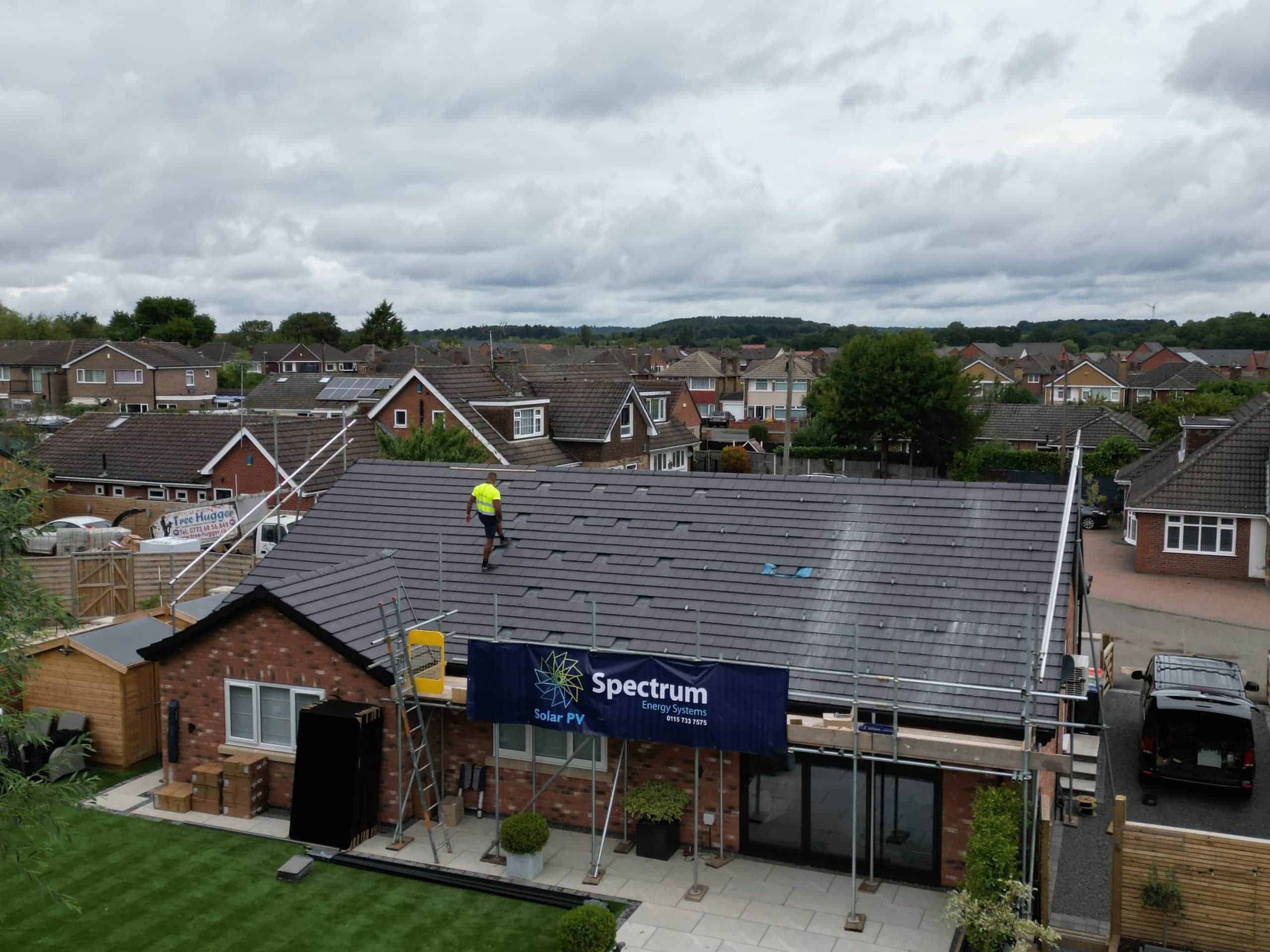
Escalation takes weeks; your system should not wait for it. Any MCS-certified installer can service, diagnose and repair a system they did not fit, we do it constantly, and using one does not weaken your case against the original firm; a professional diagnosis report usually strengthens it. Two cautions. First, get the fault documented before repair, photos, the diagnosis in writing, so the evidence survives the fix. Second, for faults that look like defective equipment rather than workmanship, the kit warranty route may be faster than the installer route entirely: panel, inverter and battery warranties are with the manufacturers, and an independent installer can process those claims for you.
Where the money protection sits
- Insurance-backed guaranteeCovers defective workmanship independently of the installer's cooperation, as above.
- Credit card, Section 75If any part of the job over £100 went on a credit card, the card provider shares liability for breach of contract, a powerful and underused route against firms that will not engage.
- Deposit protectionRECC-member installers carry deposit and workmanship protections as a condition of membership; the certificate is in your contract pack.
- Manufacturer warrantiesThe panel and battery cover survive whatever happens to the installer.
Choosing better next time
Aftercare failure is the most common solar complaint, and it is largely predictable at quote stage. The tells: a company installing for years under the same name, its own employed crews rather than subcontract chains, an insurance-backed workmanship guarantee named in the quote, RECC membership, and a phone number that a human answers, try it before you sign, not after. The sales-day charmers who vanish post-install tend to share the opposite profile: young companies, heavy advertising, subcontracted labour, guarantees backed by nothing. Our installer-vetting guide runs the full checklist, and it is worth ten minutes even if you never use us.
System stuck and nobody calling back?
We service and repair solar systems from any installer across the East Midlands, with written diagnosis you can use in a complaint. Call 0115 773 7575, 8am to 8pm, Monday to Friday.
Maintenance and supportFrequently asked questions
My solar installer is not responding, what can I do?
Put the fault and a fourteen-day deadline in writing, then escalate through the schemes on your paperwork: the certification body on your MCS certificate, RECC's dispute service if they were a member, and the insurance behind any insurance-backed guarantee. Meanwhile, any MCS installer can keep the system running, and doing so does not weaken your complaint.
Who do I complain to about a solar installer?
The installer formally first, in writing, then the certification body named on your MCS certificate, and RECC if the firm is a member, whose independent dispute-resolution service exists for unresolved complaints. For financial losses, Section 75 card claims and the small claims process sit behind all of it.
Can another company fix my solar system?
Yes, any MCS-certified installer can diagnose and repair a system they did not fit, and can process manufacturer warranty claims for the kit too. Get the fault documented in writing before it is repaired so the evidence survives for any complaint against the original firm.
Is my warranty dead if the installer will not respond?
No. Panel, inverter and battery warranties are with the manufacturers and survive regardless of the installer. The installer-specific layer is the workmanship guarantee, which is why insurance-backed versions matter: the insurance pays for defective workmanship even when the installer will not engage.
How do I know if my installer has gone bust rather than gone quiet?
Check Companies House: an active company with current filings has gone quiet, and this article's escalation ladder applies. Strike-off notices, administration or liquidation filings mean insolvency, where the route runs through insurance-backed guarantees and manufacturer warranties instead, covered in our installer-gone-bust guide.
Related reading
- When your installer goes bust
- Mistakes to avoid when hiring an installer
- Solar panel warranties explained
- Solar battery warranties explained
- What is MCS certification?
Fifteen years of answering the phone
We are Spectrum Energy Systems, MCS certified (NIC200223), installing and servicing solar across the East Midlands since 2011, with a QANW-backed 5-year workmanship guarantee and aftercare that actually picks up. Call 0115 773 7575, 8am to 8pm, Monday to Friday.
Get in touch