Importance of Regular Solar Panel Maintenance: Why It Matters for Performance and Longevity
Many solar panel owners assume their system is "set and forget"—install it once and enjoy decades of free electricity. The reality is quite different. Without regular maintenance, solar panels can lose 5-25% of their energy production capacity, significantly reducing your savings and, in severe cases, leading to premature system failure.
This comprehensive guide explains why solar panel maintenance matters, what proper care involves, and how regular upkeep delivers significant returns over your system's 25-30 year lifespan.
In This Guide
- Understanding Solar Panel Degradation
- Key Reasons Why Maintenance Matters
- What Proper Maintenance Involves
- Recommended Maintenance Schedule
- DIY vs. Professional Services
- Consequences of Neglecting Maintenance
- Special Maintenance Considerations
- Choosing a Maintenance Provider
- Creating Your Maintenance Plan
- Frequently Asked Questions
Think of solar panel maintenance like servicing your car. You wouldn't expect a vehicle to run optimally for 25 years without oil changes, tyre checks, and regular inspections. Solar systems, whilst remarkably reliable, benefit enormously from periodic attention that keeps them performing at peak efficiency.
At Spectrum Energy Systems, established in 2011, we've maintained hundreds of solar installations across the East Midlands. Our experience shows that well-maintained systems consistently outperform neglected ones—often by 15-20% over their lifetime. Understanding how long solar panels last in the UK helps appreciate why maintenance is a worthwhile investment.
Understanding Solar Panel Degradation
All solar panels experience gradual performance decline over time—typically 0.5-1% efficiency loss annually under normal conditions. This natural degradation is factored into system designs and manufacturer warranties. However, environmental factors and neglect can significantly accelerate this decline, turning a minor annual reduction into substantial cumulative losses.
Natural Performance Decline vs. Preventable Losses
Quality solar panels are engineered to retain 80-85% of their original efficiency after 25 years through natural degradation alone. This predictable decline is manageable and expected. The problem arises when preventable factors compound this natural degradation:
- Dirt and dust accumulation: Creates a barrier between sunlight and solar cells
- Bird droppings and organic matter: Particularly problematic as they create "hot spots"
- Pollen and atmospheric pollution: Common across UK urban and rural areas
- Salt deposits: A significant issue for coastal installations
- Leaf debris and moss growth: Especially problematic in autumn and damp conditions
Understanding the factors affecting solar panel efficiency helps you recognise when maintenance intervention is needed.
The Compounding Effect
Small efficiency losses multiply dramatically over time. A 10% efficiency reduction in year one, if left unaddressed, doesn't simply persist—it compounds as additional soiling and degradation occurs. After five years of neglect, a system might operate at just 70-75% of its potential, representing thousands of pounds in lost energy production.
Key Reasons Why Solar Panel Maintenance Matters
Regular maintenance delivers benefits across multiple dimensions—from immediate energy production improvements to long-term investment protection. Here's why proactive care makes financial and practical sense.
Reason 1: Maximise Energy Production and Efficiency
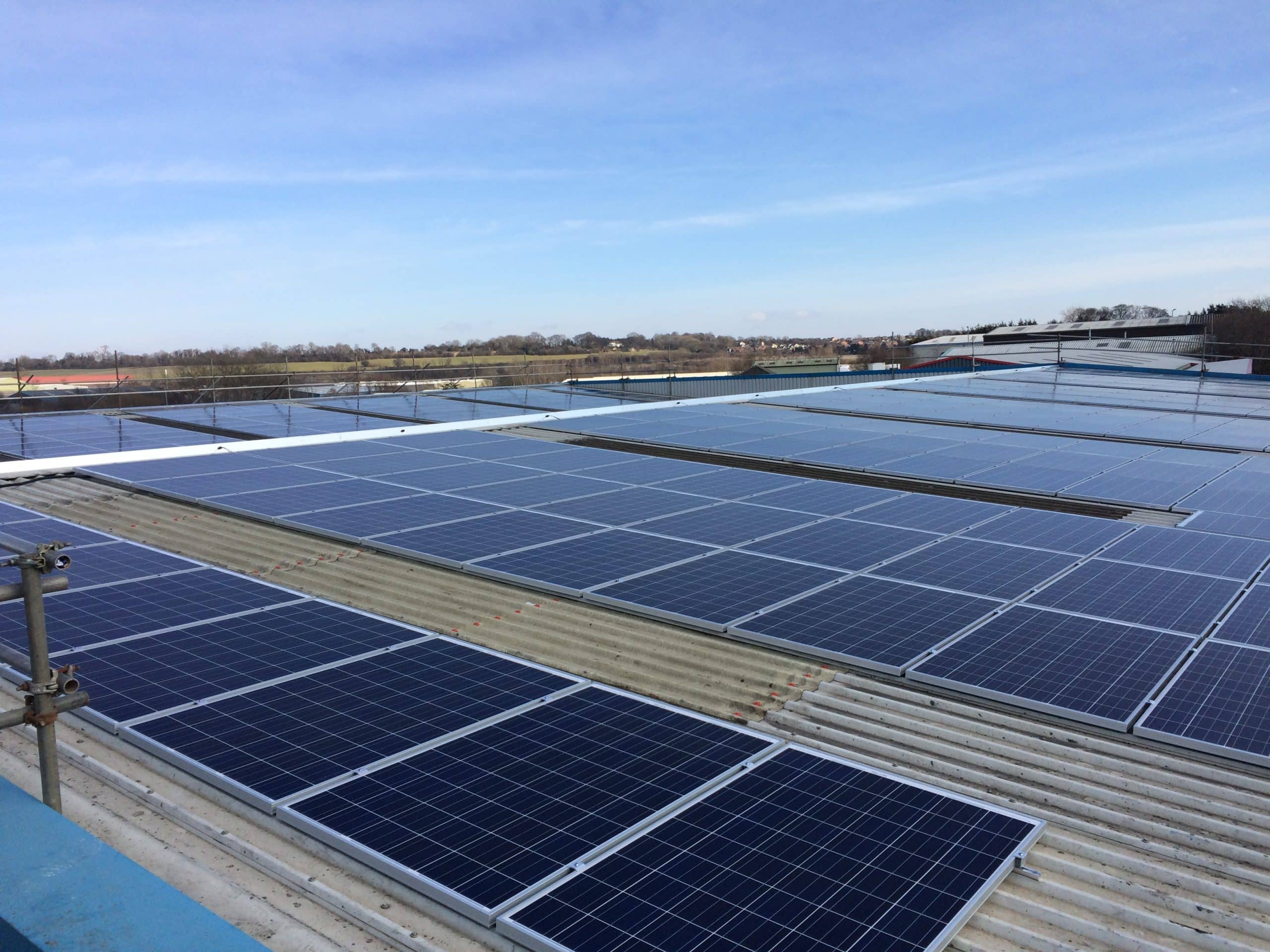
The most immediate benefit of maintenance is restored energy production. Research consistently shows that soiled panels produce significantly less electricity than clean ones—with losses ranging from 5% in mildly affected systems to 25% or more in severely neglected installations.
UK-specific factors make this particularly relevant. Despite our reputation for rain, UK rainfall alone doesn't effectively clean solar panels. Rainwater often contains airborne pollutants that leave residues when dried, and bird droppings simply don't wash away without manual intervention.
Energy loss example: A typical 4kW domestic system generates approximately 3,400-4,000 kWh annually. A 15% efficiency loss from soiling represents 500-600 kWh of lost production—energy that could otherwise power your home or earn Smart Export Guarantee payments.
Reason 2: Extend System Lifespan and Protect Your Investment
Solar panels represent a significant investment that you'll want to protect over its full lifespan. Whether you've installed a domestic solar system or a larger commercial solar installation, proper maintenance prevents premature degradation and component failure.
Key lifespan protection benefits include:
- Hot spot prevention: Shaded or dirty cells work harder, causing localised overheating that permanently damages cells
- Connection integrity: Regular inspections catch loose connections before they cause performance issues or safety hazards
- Mounting system preservation: Checking fixings prevents structural problems and water ingress
- Inverter protection: Clean, well-maintained panels place less stress on inverters, extending their 10-15 year typical lifespan
Understanding the relationship between different inverter types and maintenance requirements helps optimise your care routine.
Reason 3: Maintain Warranty Coverage and Compliance
Most solar panel manufacturers require documented regular maintenance to keep warranties valid. Neglecting maintenance doesn't just affect performance—it can void the very protection you're counting on if something goes wrong.
What Can Void Your Solar Panel Warranty
- Lack of regular cleaning and inspection (typically annual minimum required)
- Using improper cleaning methods (pressure washers, abrasive materials, harsh chemicals)
- Unauthorised repairs or modifications
- Failure to maintain documentation of service history
- Neglect-related damage such as hot spots from persistent shading
Always check your specific warranty terms and keep maintenance records. Our maintenance support services include full documentation for warranty compliance.
MCS certification standards also recommend regular post-installation servicing. Compliance with these standards, combined with proper documentation, protects both your warranty and your system's resale value.
Reason 4: Early Detection and Prevention of Major Issues
Regular maintenance inspections catch problems early—when they're simple to fix rather than catastrophic. Many common solar panel problems are easily addressed if detected promptly.
Issues That Escalate Without Early Detection
- Loose electrical connections: Minor tightening becomes major rewiring or component replacement
- Seal deterioration: Simple resealing becomes water damage and panel replacement
- Micro-cracks: Monitoring becomes full panel failure
- Inverter performance issues: Firmware update becomes complete inverter replacement
- Mounting system corrosion: Surface treatment becomes structural repairs or re-installation
Professional inspections using thermal imaging can detect hidden defects invisible to the naked eye—including developing hot spots, cell degradation patterns, and connection issues that would otherwise go unnoticed until they cause significant damage.
Protect Your Solar Investment
Our comprehensive solar system health check services identify issues before they become major problems
Book a Health Check Speak to Our TeamReason 5: Optimise Performance Through Monitoring
Modern solar systems include monitoring capabilities that provide invaluable insights—but only if you're actively reviewing the data. Regular maintenance includes performance analysis that identifies underperforming panels, shading issues, and efficiency trends.
Effective monitoring reveals:
- Individual panel performance: Identifying specific panels producing below expectations
- Seasonal patterns: Understanding how your system responds to changing conditions
- Degradation tracking: Confirming whether decline is within normal parameters
- Shading changes: Detecting when vegetation growth begins affecting output
- Inverter efficiency: Ensuring power conversion remains optimal
For commercial installations, our commercial solar care services include comprehensive monitoring and reporting packages.
Reason 6: Safety Hazard Prevention
Whilst solar panels are inherently safe when properly maintained, neglected systems can develop hazards including:
- Electrical fire risk: From damaged wiring, loose connections, or arc faults
- Water ingress: Leading to roof damage and electrical issues
- Structural concerns: From corroded mounting systems
- Trip hazards: From displaced cables or mounting components
Annual professional inspections include safety checks that protect your property and occupants. This is particularly important for solar installations at schools and public buildings where safety compliance is paramount.
What Proper Solar Panel Maintenance Involves
Understanding what maintenance actually entails helps you appreciate its value and ensure you're getting comprehensive service. Proper solar panel care involves several distinct activities.
Visual Inspection
A thorough visual inspection checks for:
- Panel surface condition—cracks, chips, discolouration, or delamination
- Frame integrity and corrosion signs
- Cable condition and secure routing
- Mounting bracket security and corrosion
- Roof penetration seals
- Vegetation encroachment and shading
- Wildlife damage (nesting, chewing)
Cleaning Procedures
Professional cleaning uses appropriate methods that protect your panels whilst removing contaminants effectively. The correct approach includes:
- Soft brushes and squeegees: Non-abrasive tools that won't scratch glass
- Deionised or purified water: Prevents mineral deposits from tap water
- Gentle cleaning solutions: If needed, specifically formulated for solar panels
- Early morning or evening timing: When panels are cool to prevent thermal shock
Our detailed guide on how to clean solar panels covers best practices and what to avoid.
What to Avoid When Cleaning Solar Panels
- Pressure washers: Can damage seals and force water into components
- Abrasive materials: Scouring pads or brushes scratch protective coatings
- Harsh chemicals: Can damage anti-reflective coatings and seals
- Tap water in hard water areas: Leaves mineral deposits
- Cleaning in direct sunlight: Temperature differential can crack glass
Electrical System Checks
Annual professional inspections should include electrical testing:
- Voltage and current measurements at various points
- Connection tightness verification
- Inverter performance and efficiency testing
- Earthing system integrity
- Isolation switch functionality
- DC and AC cable insulation testing
These checks require qualified personnel and should never be attempted as DIY. Understanding the difference between grid-tied and off-grid systems affects maintenance requirements.
Recommended Maintenance Schedule
The optimal residential solar panel maintenance frequency depends on your location, system type, and environmental factors. Here's a framework for most UK installations.
| Activity | Frequency | Who Should Do It |
|---|---|---|
| Visual inspection from ground | Quarterly | Homeowner |
| Monitoring data review | Monthly | Homeowner |
| Professional cleaning | 1-2 times annually | Professional |
| Comprehensive inspection | Annually | MCS-accredited professional |
| Post-storm check | As needed | Professional if damage suspected |
| Inverter service | Per manufacturer schedule | Qualified electrician |
Factors Requiring More Frequent Maintenance
Some situations warrant additional attention:
- Coastal locations: Salt deposits require more frequent cleaning (3-4 times annually)
- Near trees: Leaf debris and bird activity increase soiling and shading risks
- Agricultural areas: Dust and pollen accumulation is higher
- Industrial zones: Atmospheric pollution deposits faster
- Low-tilt or flat installations: Rain doesn't sheet off as effectively
- Significant bird activity: Droppings are particularly problematic
For commercial properties, our agricultural solar solutions and commercial building installations include tailored maintenance recommendations.
DIY Maintenance vs. Professional Services
Understanding what you can safely handle yourself versus what requires professional expertise helps ensure proper care whilst maintaining safety.
What Homeowners Can Safely Do
- Ground-level visual inspections
- Monitoring system data review
- Gentle hosing from ground (if accessible)
- Vegetation trimming away from panels
- Reporting issues to professionals
- Keeping maintenance records
What Requires Professional Service
- Roof access for cleaning or inspection
- Any electrical testing or work
- Thermal imaging inspections
- Warranty-required documented servicing
- Suspected fault investigation
- Post-storm damage assessment
Safety First
Roof access presents significant risks—falls from height remain a leading cause of serious injury. UK working at height regulations apply even to homeowners on their own property. Beyond personal safety, DIY roof work may invalidate your home insurance if damage occurs. Professional solar panel maintenance services include proper safety equipment, insurance, and training that protects everyone involved.
Consequences of Neglecting Solar Panel Maintenance
Understanding what happens without maintenance reinforces why proactive care matters. The consequences escalate over time.
Short-Term (1-3 Years)
- Gradual efficiency decline: 5-15% loss
- Reduced energy production and savings
- Minor problems developing undetected
- Potential warranty compliance issues emerging
Medium-Term (3-10 Years)
- Significant performance degradation: 15-30% loss
- Component stress leading to failures
- Hot spot damage becoming visible
- Warranties likely voided
- Substantial cumulative energy losses
Long-Term (10+ Years)
- Premature system failure possibility
- Panel replacement becoming necessary
- Potential structural or roof damage
- Complete system replacement may be required
- Loss of property value enhancement
Addressing common solar panel problems early prevents this escalating pattern.
Special Maintenance Considerations
Commercial Solar Systems
Commercial solar panel maintenance involves additional complexity including larger scale, higher stakes, and often compliance requirements. Commercial solar systems benefit from:
- Scheduled maintenance contracts with guaranteed response times
- Drone inspections for large or difficult-access arrays
- Comprehensive monitoring with automated alerts
- Documented compliance reporting
- Minimal operational disruption planning
Battery Storage Systems
If your installation includes battery storage or commercial battery backup, additional maintenance considerations apply:
- Battery health monitoring and reporting
- Temperature management system checks
- Connection integrity verification
- Firmware and software updates
- Manufacturer-specific service requirements
Understanding how battery storage benefits your system includes appreciating maintenance needs.
EV Charging Integration
Properties with smart EV charging or commercial EV charging stations should coordinate maintenance across all systems for optimal integration and performance.
Finding and Choosing a Maintenance Provider
Not all maintenance providers deliver equal service. Here's what to look for.
Qualifications to Verify
- MCS certification or equivalent accreditation
- Public liability insurance (minimum £2 million recommended)
- Working at height training and certification
- Electrical qualifications (for inspection work)
- Specific solar panel maintenance experience
- Manufacturer training for your panel brand
Questions to Ask Potential Providers
- What's included in your standard service?
- Do you have experience with my system type/brand?
- Will maintenance affect my manufacturer warranty?
- What documentation do you provide?
- Do you offer emergency response?
- Do you offer maintenance contracts or per-visit services?
At Spectrum Energy Systems, our MCS-accredited team has maintained solar installations across the East Midlands since 2011. We provide comprehensive documentation and warranty-compliant service.
Professional Maintenance Services
Our experienced engineers provide thorough maintenance services across Nottinghamshire, Derbyshire, Leicestershire, and Lincolnshire
View Maintenance Services Request a QuoteCreating Your Solar Panel Maintenance Plan
A structured approach ensures nothing is overlooked. Here's a practical framework.
Year-Round Maintenance Calendar
| Season | Key Activities | Who |
|---|---|---|
| Spring (March-May) | Professional cleaning; pollen removal; nesting bird prevention; comprehensive annual inspection | Professional |
| Summer (June-August) | Monthly monitoring review; vegetation check; peak performance verification | Homeowner + Professional if issues |
| Autumn (September-November) | Professional cleaning; leaf debris removal; pre-winter check; storm preparedness | Professional |
| Winter (December-February) | Post-storm inspections; snow/ice management if needed; monitoring for issues | Homeowner monitoring + Professional if needed |
Documentation Best Practices
Maintain records of all maintenance activities including:
- Date and type of service performed
- Provider details and qualifications
- Photographs of panel condition
- Performance data before and after cleaning
- Any issues identified and actions taken
- Service receipts and invoices
This documentation protects warranty claims and adds value if you sell your property.
Frequently Asked Questions
Conclusion: Maintenance Protects Your Solar Investment
Regular solar panel maintenance isn't optional—it's essential for protecting your investment and maximising the returns from your solar system. Proper care delivers substantial benefits: restored energy production, extended system lifespan, protected warranties, early problem detection, and peace of mind.
Key takeaways:
- Neglect leads to significant losses: Lost energy production and major repairs far outweigh the effort of regular maintenance
- Regular care extends lifespan: Well-maintained systems outperform neglected ones for 25-30+ years
- Professional service protects warranties: Documented maintenance keeps manufacturer guarantees valid
- Early detection prevents major problems: Minor issues are far easier to address than major failures
- Safety matters: Proper maintenance prevents hazards from developing
At Spectrum Energy Systems, we've been helping East Midlands property owners get the most from their solar investments since 2011. Whether you need a one-off service or an ongoing maintenance contract, our MCS-accredited team delivers thorough, professional care that keeps your system performing optimally.
Don't let your solar panels underperform. Invest in regular maintenance and enjoy the full benefits of your renewable energy system for decades to come.
Start Protecting Your Solar Investment Today
Contact our team for a maintenance assessment or to set up a regular service schedule
Get a Maintenance Quote View Our ServicesAbout Spectrum Energy Systems: Established in 2011, we're MCS-accredited solar installers and maintenance providers serving Nottinghamshire, Derbyshire, Leicestershire, Lincolnshire, and the wider East Midlands. From domestic solar installation to commercial solar fitting and ongoing maintenance support, we deliver comprehensive solar solutions. Explore our ultimate guide to installing solar PV or browse our technical articles for more insights. View our case studies to see examples of our work across the region.