How to Test a Solar Panel: A Simple Guide to Checking Solar Panel Performance
Understanding how to test a solar panel helps you identify performance issues early and maintain maximum electricity generation. Whether you own a domestic solar system or manage a commercial installation, regular testing ensures your investment continues delivering optimal returns.
This guide covers practical testing methods using common tools, helping UK homeowners and businesses learn how to check if solar panel is working correctly. From testing solar panels with a multimeter to interpreting results, you'll find everything needed for effective performance monitoring.
Table of Contents
- Why Testing Your Solar Panels Is Important
- Tools Needed to Test a Solar Panel
- How to Test Solar Panel Voltage
- How to Test Solar Panel Current (Amperage)
- Testing Overall Solar Panel Power Output
- Common Problems Found During Solar Panel Testing
- When to Call a Professional Solar Technician
- How Often Should Solar Panels Be Tested?
- Frequently Asked Questions
- Conclusion
Why Testing Your Solar Panels Is Important
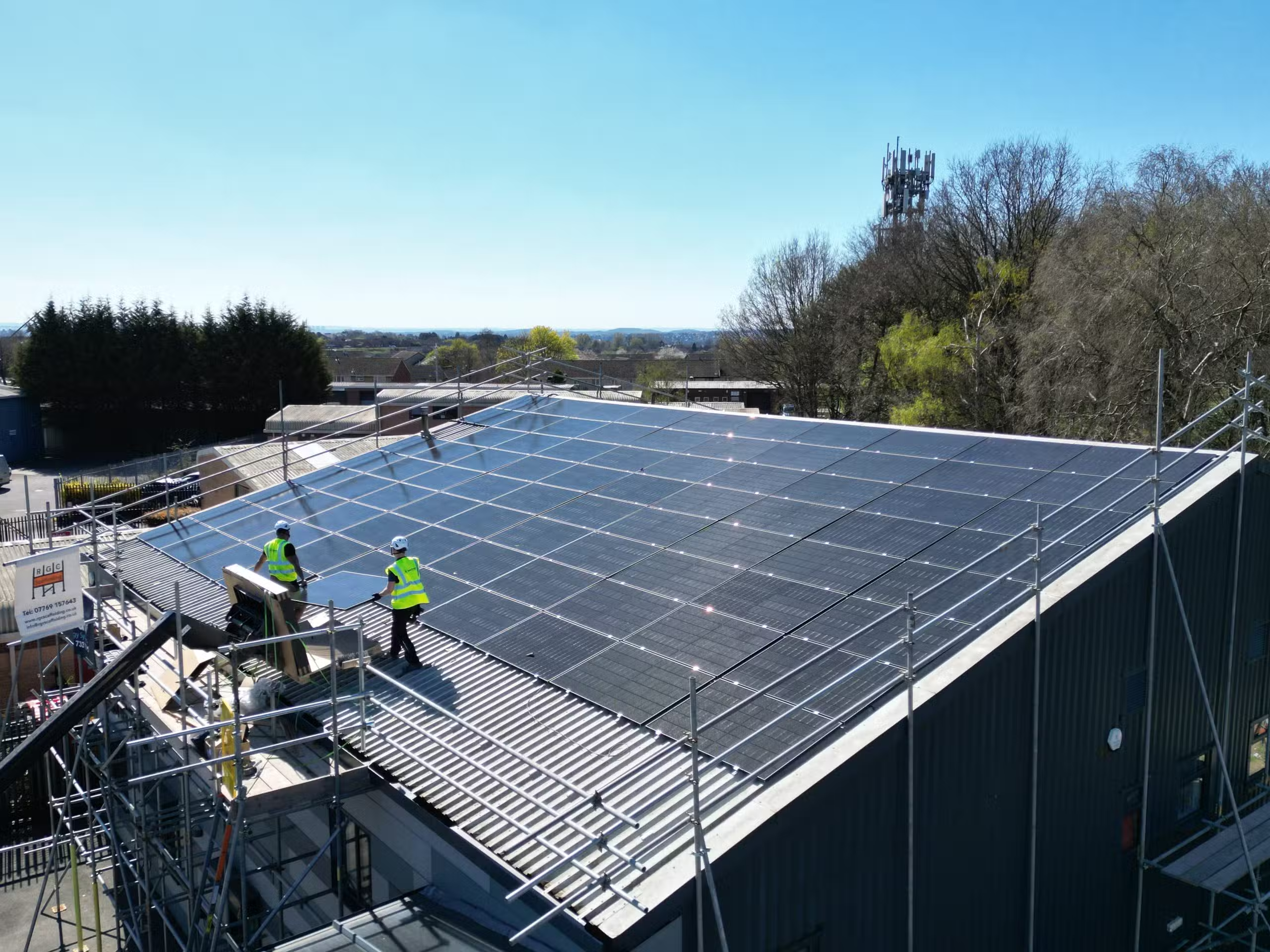
Solar panels require minimal maintenance but benefit significantly from periodic performance checks. Testing helps identify common solar panel problems before they escalate into costly repairs or substantial generation losses.
Signs Your Solar Panels May Not Be Working Properly
Several indicators suggest your system needs testing:
- Lower electricity generation than expected: Compare current output against historical data or expected yields for your system size
- Sudden increase in electricity bills: Rising costs despite consistent usage patterns indicate reduced solar contribution
- Inverter warning lights or error codes: Your inverter displays fault indicators requiring investigation
- Physical damage or visible shading: Cracks, discolouration, or new obstructions affecting panel surfaces
Benefits of Regular Solar Panel Testing
Routine testing delivers measurable advantages for your solar investment. A solar panel efficiency test helps you understand actual versus expected performance:
- Ensures maximum electricity generation and optimal panel efficiency
- Identifies issues before they become costly repairs
- Extends the operational lifespan of your solar PV system
- Protects your long-term investment in renewable energy
Tools Needed to Test a Solar Panel
Using a Multimeter for Solar Panel Testing
A digital multimeter provides the most accessible method for basic solar panel testing. This widely available tool measures voltage (V) and current (A), giving clear indicators of panel performance. Digital multimeters suitable for solar testing can be found at most electrical suppliers and are ideal for periodic maintenance checks.
Additional Tools for Advanced Testing
Professional diagnostics may require specialist equipment:
- Solar irradiance meter: Measures available sunlight for accurate performance calculations
- Clamp meter: Measures current without disconnecting cables
- Thermal imaging camera: Identifies hot spots indicating cell damage or connection faults
When testing reveals potential issues, professional solar panel inspection services provide comprehensive diagnostics using calibrated equipment.
Safety Warning: Electrical Testing Precautions
Solar panels generate electricity whenever exposed to light. Before testing, understand that panels cannot be "switched off" and present electrical hazards. If you're uncomfortable working with electrical systems, or your panels are roof-mounted with difficult access, contact a qualified solar technician for safe testing.
How to Test Solar Panel Voltage
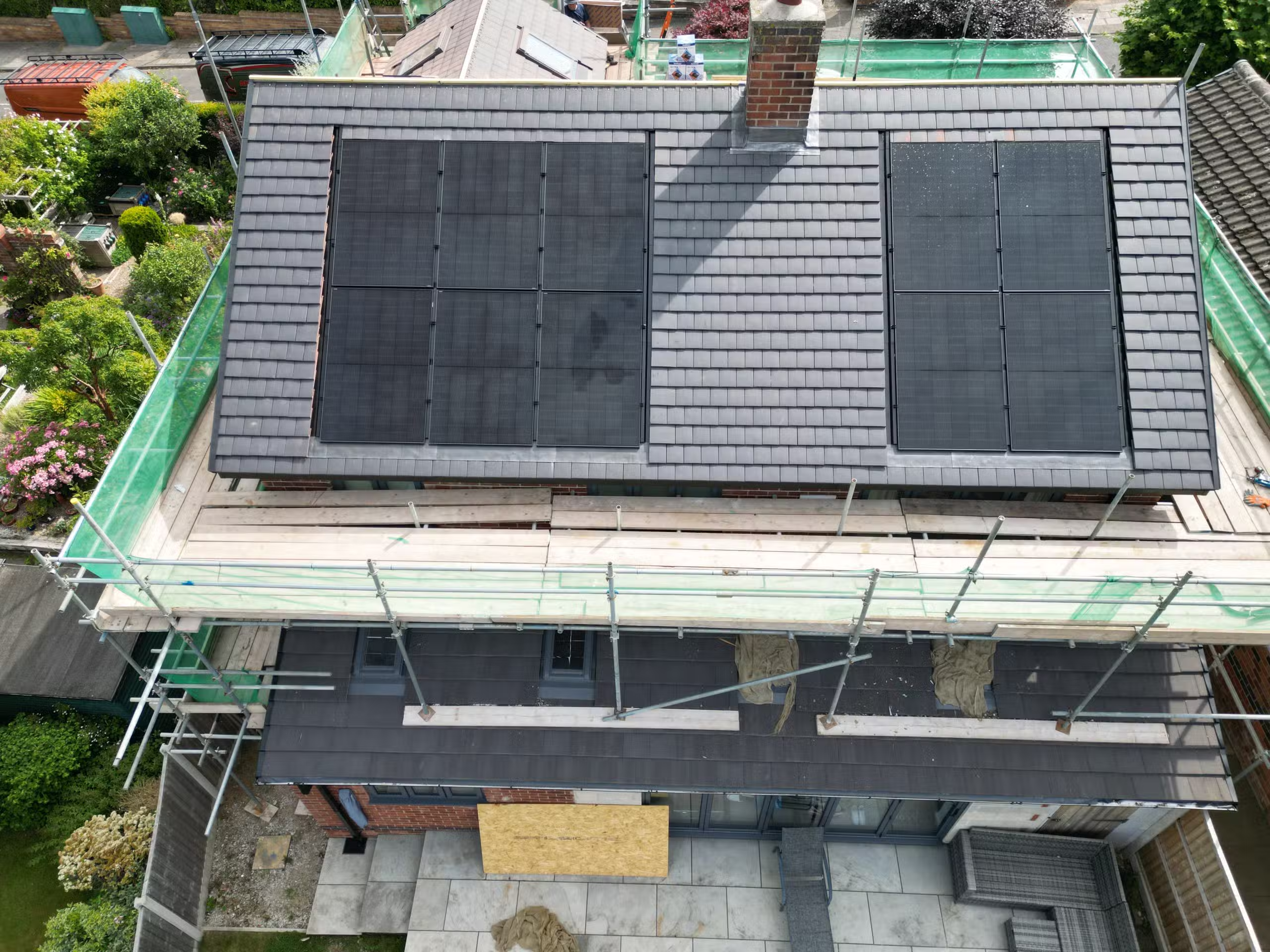
Voltage testing provides the simplest indication of whether your solar panel is generating power. This test measures open-circuit voltage (Voc)—the maximum voltage a panel produces when not connected to a load.
Step-by-Step Voltage Test with a Multimeter
- Set your multimeter to DC voltage (typically marked V with a straight line)
- Select a range higher than your panel's rated voltage (200V setting works for most residential panels)
- Connect the red probe to the positive terminal and black probe to the negative terminal
- Test during direct sunlight for accurate readings
- Record the voltage displayed
What a Normal Voltage Reading Looks Like
Typical residential monocrystalline solar panels produce 30-50V open-circuit voltage in good sunlight, depending on panel size and cell configuration. Compare your measured voltage against the manufacturer's Voc specification on the panel datasheet. Readings within 80-100% of rated Voc indicate normal operation; significantly lower readings suggest potential faults.
How to Test Solar Panel Current (Amperage)
Understanding how to test solar panel amperage is essential for accurate performance assessment. Current measurement reveals how much electricity your panels actively generate.
Measuring Current Output Safely
Current testing requires more care than voltage measurement. Set your multimeter to DC current (A with a straight line), connect in series with the circuit, and measure under strong, consistent sunlight. Current readings indicate how much electricity the panel actively produces.
Interpreting the Results
Compare measured amperage against your panel's rated short-circuit current (Isc). A 400W panel typically has an Isc rating between 9-14A, depending on the manufacturer and panel design. Lower current often indicates shading, soiling, or cell degradation. Understanding different solar panel types helps contextualise expected performance.
Testing Overall Solar Panel Power Output
Once you know how to measure solar panel power, you can accurately assess whether your system performs as expected.
Calculating Power Output
Power output combines voltage and current measurements:
Power (Watts) = Voltage × Current
Example: A panel producing 38V and 9A delivers approximately 342W. If rated at 400W, this represents 85% of maximum capacity—acceptable for typical UK conditions where irradiance rarely reaches test standards.
Comparing Results with Rated Output
Manufacturer ratings assume Standard Test Conditions (STC): 1000W/m² irradiance and 25°C cell temperature. UK conditions rarely match these parameters, so expect real-world output at 70-85% of rated capacity in good conditions. Consistently low output warrants further investigation or professional assessment.
Common Problems Found During Solar Panel Testing
Dirt and Debris Reducing Output
Accumulated dust, leaves, bird droppings, and pollen reduce light reaching solar cells. Soiling typically decreases output by 2-7% in moderate climates, though heavier accumulation can reduce efficiency by 15% or more in dusty environments. Regular solar panel cleaning maintains optimal performance, particularly after dry periods or nearby construction.
Wiring or Connector Faults
Loose cables, corroded connectors, or damaged insulation reduce electricity flow and create potential safety hazards. These issues often develop gradually through weathering or thermal cycling. Professional inspection identifies connection problems that basic testing may miss.
Shading and Environmental Issues
Trees, chimneys, aerials, or nearby buildings casting shadows significantly impact generation. Even partial shading on grid-tied systems can reduce output disproportionately due to string wiring effects. Monitoring seasonal shading patterns helps identify emerging issues.
When to Call a Professional Solar Technician
Signs Your Solar System Needs Professional Inspection
Contact qualified technicians when testing reveals:
- Consistently low power output despite cleaning and good weather
- Inverter error messages or repeated fault codes
- Visible panel damage, cracks, or delamination
- Burning smells or discolouration around connections
- Significant unexplained drops in generation
Benefits of Professional Solar Panel Testing
MCS-accredited technicians provide comprehensive solar panel diagnostic test services using calibrated equipment, thermal imaging, and IV curve tracing that identifies cell-level faults. Professional testing ensures safe procedures, accurate diagnosis, and identification of hidden electrical problems that basic multimeter tests cannot detect.
Our experienced engineering team has maintained solar installations across Nottinghamshire, Derbyshire, Leicestershire, and Lincolnshire since 2011. Whether you need a routine solar system health check or fault diagnosis for a commercial solar installation, our NICEIC-registered electricians deliver thorough, reliable service.
Concerned About Your Solar Panel Performance?
Professional testing identifies issues that DIY checks cannot detect. Our MCS-accredited engineers use specialist diagnostic equipment to ensure your system generates maximum electricity.
Book a Solar Inspection Contact Our TeamHow Often Should Solar Panels Be Tested?
A regular solar panel maintenance check UK homeowners and businesses can follow helps maintain peak performance throughout your system's lifespan.
Recommended Inspection Schedule
For optimal performance, follow this testing routine:
- Annual professional inspection: Comprehensive check of panels, wiring, inverter, and mounting systems
- Monthly generation monitoring: Review output data against expected yields for your location
- Quarterly visual inspections: Check for visible damage, soiling, or shading changes
- Post-storm checks: Inspect after severe weather for physical damage
Using Solar Monitoring Systems
Modern inverters and smart energy systems provide real-time generation tracking through apps and web portals. Set up alerts for performance drops exceeding 10-15% of expected output. Monitoring systems simplify ongoing performance verification, reducing the need for manual testing whilst identifying issues promptly.
If you're considering system upgrades, battery storage solutions or commercial battery backup systems can maximise the value of your tested and verified solar generation.
Frequently Asked Questions
Conclusion: Testing Solar Panels Helps Maintain Maximum Performance
Regular testing ensures your solar panels operate efficiently, protecting your investment in renewable energy. Small issues like soiling or partial shading can reduce electricity production significantly, whilst early detection of faults prevents costly repairs and extended downtime.
Basic voltage and current testing with a multimeter provides useful performance indicators for homeowners comfortable with electrical systems. However, professional inspections using specialist diagnostic equipment deliver comprehensive assessments that identify hidden faults and optimise system performance.
Spectrum Energy Systems has provided expert solar installation and maintenance services across the East Midlands since 2011. Our MCS-accredited engineers and NICEIC-registered electricians deliver thorough testing, accurate diagnostics, and reliable repairs for both domestic and commercial solar systems.
Ensure Your Solar System Performs at Its Best
Book a professional solar panel inspection to verify your system generates maximum electricity. Our experienced technicians identify issues, recommend solutions, and keep your solar investment delivering optimal returns.
Get Your Free Quote Contact Us TodayAbout Spectrum Energy Systems: Established in 2011, we're MCS-accredited solar installers serving Nottinghamshire, Derbyshire, Leicestershire, Lincolnshire and the wider East Midlands. Our experienced engineers design, install, and maintain tailored solar solutions for homes and businesses, ensuring maximum performance and return on investment. Learn more about our expertise or explore our case studies to see our work in action. We also offer solar incentive guidance for homeowners and funding solutions for business solar projects.