Benefits of Installing Solar Panels on Your Farm: A Smart Investment for UK Agriculture
UK farms face mounting pressure from energy demands, tighter environmental regulations, and the need for greater operational resilience. Solar panels offer a practical solution that addresses all three challenges whilst generating long-term benefits.
At Spectrum Energy Systems, established in 2011, we've installed solar PV systems on farms across Nottinghamshire, Derbyshire, Leicestershire, and Lincolnshire. From dairy operations requiring consistent daily power to arable farms with seasonal grain drying demands, we understand how to design agricultural solar systems that work with farming operations, not against them.
In This Guide
- Why Farms Are Ideal for Solar
- Reducing Grid Dependence
- Generating Additional Income from Solar
- Using Existing Farm Buildings for Solar
- Ground-Mounted Solar Panels on Farms
- Improving Farm Sustainability
- Energy Security and Rural Reliability
- Solar for Different Types of Farms
- Incentives and Support
- Planning Permission and Regulations
- Common Concerns and Misconceptions
- Frequently Asked Questions
Quick Overview: Why Farms Are Ideal for Solar
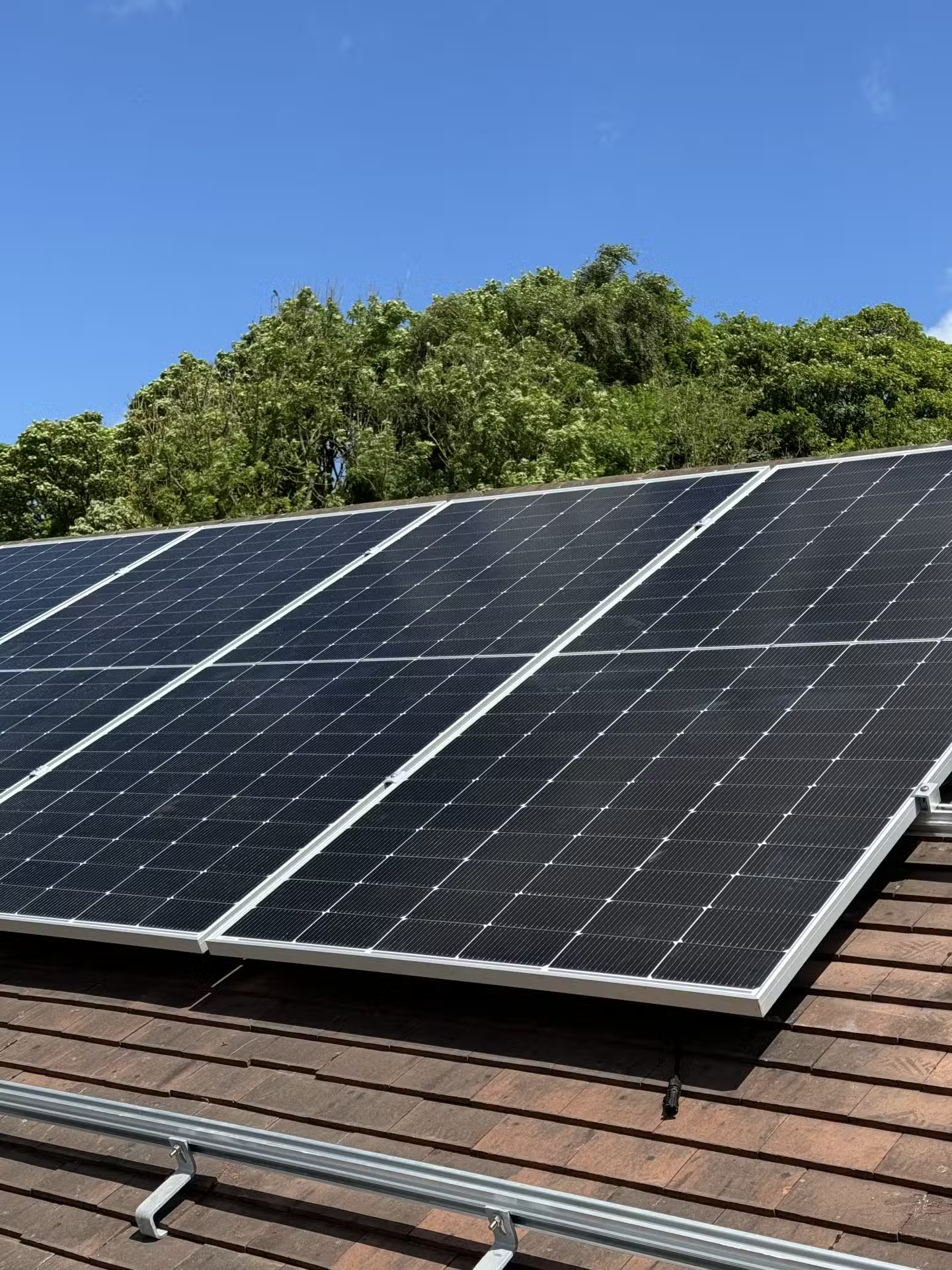
Agricultural properties possess characteristics that make them exceptionally well-suited for solar PV installations. Understanding these advantages helps explain why solar panels for farms have become one of the most attractive investments for modern UK agricultural businesses.
Large roof and land availability: Farm buildings typically offer extensive, unshaded roof areas ideal for solar panels. Barns, grain stores, livestock housing, and machinery sheds provide ready-made installation platforms without requiring additional land take.
High daytime energy consumption: Many farming operations consume significant electricity during daylight hours—precisely when solar panels generate power. Milking parlours, refrigeration, irrigation, ventilation, and processing equipment align well with solar generation profiles, maximising self-consumption and efficiency.
Energy independence: Energy represents an increasingly significant operational consideration for UK farms. Self-generation provides an attractive alternative to grid dependence, giving farms greater control over their energy supply.
Long-term stability: Solar panels provide predictable energy generation over 25+ years, protecting farm businesses from supply uncertainties. This stability supports better business planning and improved operational resilience.
Reducing Grid Dependence on the Farm
Energy represents one of the largest operational considerations for UK farms. Solar panels offer a proven method to generate your own electricity and reduce reliance on the grid.
High Energy Use in Modern Farming
Contemporary farming operations are increasingly energy-intensive. Understanding where energy is consumed helps identify how solar can deliver maximum benefit:
- Milking parlours: Vacuum pumps, milk cooling, and cleaning systems consume substantial electricity, typically during morning and afternoon milking—aligning well with solar generation
- Refrigeration and cold storage: Milk tanks, vegetable stores, and meat processing facilities require continuous cooling, often representing the largest single electricity demand
- Irrigation systems: Pumping water for crops and livestock creates seasonal but significant energy demands
- Grain drying and processing: Post-harvest processing can consume considerable electricity, particularly during busy autumn periods
- Ventilation and heating: Poultry houses, pig units, and livestock buildings require climate control year-round
Solar PV for On-Site Power Generation
Farm solar installations generate electricity directly where it's needed, eliminating transmission losses and grid charges. This on-site generation approach delivers several advantages over purchasing grid electricity.
Power generated and consumed on-site reduces reliance on grid-purchased electricity. For farms with high daytime consumption, commercial solar installations routinely achieve self-consumption rates of 40-70%, depending on usage patterns and system sizing.
Long-Term Energy Stability
Solar panels lock in a significant portion of your energy supply for 25+ years. Whilst grid electricity availability and rates can fluctuate, solar-generated power remains consistent throughout the system's life.
Predictable Energy Supply
A well-designed farm solar system provides energy generation certainty for 25+ years. Once installed, your solar panels require only minimal maintenance to continue producing electricity. This predictability supports better business planning and improved operational stability—particularly valuable in agriculture where other factors can be variable.
Generating Additional Income from Solar
Beyond on-site energy generation, farm solar installations can create new revenue streams. Understanding these opportunities helps maximise the return from your investment.
Exporting Excess Electricity
When your solar panels generate more electricity than your farm consumes, the excess can be exported to the grid for payment. The Smart Export Guarantee (SEG) requires energy suppliers with 150,000+ customers to offer export tariffs to solar generators.
SEG rates vary between suppliers and tariff types. Farms with battery storage can access time-of-use export tariffs that pay higher rates during peak demand periods. Whilst export income shouldn't drive system sizing decisions—self-consumed electricity delivers better value—it provides useful additional revenue from surplus generation. Learn more about current solar incentives available to UK property owners.
Solar Leasing Opportunities
Some farms choose to lease roof space or land to third-party solar developers rather than owning systems outright. This approach provides guaranteed rental income without capital investment, though typically delivers lower total returns than ownership.
Lease agreements typically run 20-25 years with annual payments based on system size and land area. This option suits farms lacking capital for direct investment or those prioritising guaranteed income over maximum returns.
Power Purchase Agreements (PPAs)
PPAs offer another route to solar benefits without upfront capital. A third party installs and owns the solar system on your property, selling the generated electricity to you at agreed rates.
This model eliminates capital expenditure whilst still providing access to solar-generated electricity. However, contracts typically require long-term commitments. Explore our funding solutions for solar energy to understand all available options.
Explore Your Farm's Solar Potential
Discover how solar could benefit your farm with a tailored installation assessment. Our MCS-accredited team provides free site surveys and system recommendations.
Get Your Free Quote Speak to Our TeamUsing Existing Farm Buildings for Solar
Farm buildings offer excellent platforms for solar installations, often providing better returns than ground-mounted alternatives due to existing infrastructure and minimal additional land take.
Barn Roof Solar Panels
Agricultural buildings frequently possess characteristics ideal for solar: large, uninterrupted roof areas, minimal shading from surrounding structures, and orientations that work well for energy generation. Modern barns with metal roofing are particularly suited to barn roof solar panels installation.
South-facing roofs deliver optimal generation, though east-west orientations can work effectively, particularly for farms with morning and afternoon energy demands. Roof pitch affects output, with 30-40° typically optimal for UK latitudes, though lower pitches common on agricultural buildings still deliver strong performance.
Structural Considerations
Before installation, professional assessment of roof condition and structural capacity is essential. Key considerations include:
- Roof age and condition: Older roofs may need repair or replacement before panel installation to avoid disruption later
- Load-bearing capacity: Solar panels add approximately 10-15 kg/m²; most agricultural buildings handle this comfortably, but verification is important
- Roof material: Different fixing systems suit different coverings—profiled metal, fibre cement, or traditional materials
- Access requirements: Future panel maintenance and roof access needs should be considered during design
Our expert solar fitting services include comprehensive structural assessments to ensure safe, lasting installations.
Minimal Impact on Farming Operations
Professional installation minimises disruption to daily farming activities. Roof-mounted systems can typically be installed without affecting building use, with work scheduled around farm operations. Livestock can often remain in buildings during installation, though we'll advise on any necessary temporary arrangements.
Installation typically takes 3-7 days for systems up to 100kW, depending on roof access, complexity, and cable routing requirements. Commercial farm solar installations are scheduled to avoid critical farming periods wherever possible.
Ground-Mounted Solar Panels on Farms
Where roof space is limited or unsuitable, ground-mounted systems offer an alternative approach to farm solar installation. This option can utilise otherwise unproductive land whilst maintaining agricultural activity.
Making Use of Marginal Land
Many farms include areas of lower agricultural value—steep slopes, awkward corners, poor soil, or land affected by infrastructure. Ground-mounted solar can productively utilise these areas without impacting prime agricultural land.
Typical ground-mount installations occupy approximately 1.5-2 hectares per MW of capacity. For most farms, systems of 50-500kW require relatively modest land areas whilst delivering substantial energy benefits.
Flexible System Design
Ground-mounted arrays offer design flexibility impossible with roof installations. Panels can be positioned at optimal angles (typically 25-35° in the UK) and orientations regardless of existing building configurations.
System designs can accommodate site-specific requirements: avoiding underground services, maintaining access routes, preserving key views, and integrating with existing farm layouts. Our comprehensive guide to solar PV installation covers design considerations in detail.
Agrivoltaics Opportunities
Agrivoltaics—combining solar generation with agricultural activity—is gaining traction in UK farming. Ground-mounted panels with elevated clearance allow sheep grazing beneath, providing dual land use whilst keeping vegetation managed.
Benefits include reduced mowing requirements, additional grazing land, and maintained agricultural activity alongside energy generation. Some farmers find sheep grazing around panels more efficient than mechanical vegetation management. The solar solutions for growers page explores these combined approaches further.
Improving Farm Sustainability and Carbon Footprint
Environmental performance is increasingly important for UK farms—whether driven by personal values, customer requirements, or regulatory compliance. Solar panels provide measurable sustainability improvements.
Reducing Carbon Emissions
Every kilowatt-hour of solar electricity displaces grid power, reducing your farm's carbon footprint. A typical 50kW farm installation generating 42,500 kWh annually saves approximately 8-9 tonnes of CO2 compared to grid electricity—equivalent to removing 2-3 cars from the road.
These reductions contribute directly to Scope 1 and Scope 2 emissions calculations, supporting farms working toward Net Zero agriculture targets.
Meeting Environmental Standards
Supply chain sustainability requirements are increasing. Major food retailers and processors increasingly require suppliers to demonstrate environmental credentials, including carbon reduction efforts and renewable energy use.
Solar installations provide documented, verifiable sustainability improvements that support compliance with ESG reporting requirements and supply chain audits. This positioning can protect and enhance market access as environmental standards tighten.
Enhancing Farm Reputation
Visible solar panels demonstrate environmental commitment to customers, communities, and the wider public. Farm shops, on-site processing, and agritourism businesses particularly benefit from the positive perception associated with renewable energy.
Sustainability as Competitive Advantage
Farms with strong environmental credentials increasingly access premium markets and preferential supplier status. Solar panels provide tangible evidence of sustainability commitment that can be communicated to customers, retailers, and certification bodies.
Energy Security and Rural Reliability
Rural electricity supply can be less reliable than urban areas, with longer outage durations and greater exposure to weather-related disruption. Solar power for rural properties, particularly combined with battery storage, improves energy security for critical farm operations.
Reduced Grid Dependence
Generating power on-site reduces vulnerability to grid outages and supply constraints. This independence is particularly valuable for farms in areas with limited grid capacity or frequent supply interruptions.
Self-generation also provides protection against future grid capacity issues as rural electricity demand increases from heat pump adoption, EV charging, and electrification of farm machinery.
Battery Storage for Farms
Adding battery storage to farm solar systems extends benefits beyond daylight hours. Batteries store excess daytime generation for use during evening milking, overnight refrigeration, or early morning operations.
Storage also provides backup power for critical systems during outages. Farms with vulnerable livestock, perishable products, or continuous processes particularly benefit from this resilience. Learn more about the benefits of solar panel battery storage for agricultural applications.
Powering Critical Operations
Some farm operations cannot tolerate power interruptions: milking systems, ventilation for housed livestock, refrigeration for dairy products, and incubation systems require continuous power. Solar-plus-storage systems can provide backup power for these critical loads, protecting animal welfare and product quality during grid outages.
Solar Panels for Different Types of Farms
Different farming enterprises have distinct energy profiles. Understanding these patterns helps optimise solar system design for maximum benefit.
Dairy Farms
Dairy operations offer excellent solar economics due to consistent, predictable energy demands. Twice-daily milking creates regular consumption patterns, whilst milk cooling provides continuous load. Solar panels for dairy farms can offset these demands effectively.
Typical dairy farms achieve self-consumption rates of 50-70% from well-sized solar systems. The combination of morning and afternoon milking, continuous refrigeration, and daytime farm activities aligns well with solar generation profiles.
Arable Farms
Arable operations typically have more seasonal energy patterns, with significant demand during harvest for grain drying and processing. Solar generation peaks during summer and early autumn—broadly matching harvest timing—though careful system sizing is needed to avoid over-specification for lower winter demands.
Irrigation requirements during growing seasons can also benefit from solar power, with pumping demands often coinciding with sunny conditions when both water need and solar generation are highest.
Livestock and Poultry Farms
Intensive livestock operations—particularly poultry—have substantial, continuous energy requirements. Ventilation, heating, lighting, and feeding systems create consistent base loads. Solar panels for livestock farms can offset these demands effectively whilst providing energy security for critical systems.
The 24-hour nature of some livestock energy demands makes battery storage particularly valuable for these operations, storing daytime solar generation for overnight ventilation and environmental control.
| Farm Type | Key Energy Uses | Typical Self-Consumption | Battery Benefit |
|---|---|---|---|
| Dairy | Milking, refrigeration, water heating | 50-70% | Medium |
| Arable | Grain drying, irrigation, processing | 30-50% | Low-Medium |
| Poultry | Ventilation, heating, lighting | 60-80% | High |
| Pig | Climate control, feeding, ventilation | 55-75% | High |
| Mixed | Variable—depends on enterprises | 40-60% | Medium |
Incentives and Support in the UK
Various farm solar incentives UK farmers can access exist to support investment. Understanding available support helps inform project planning.
Smart Export Guarantee (SEG)
The SEG requires licensed electricity suppliers to offer payment for exported solar electricity. Rates vary between suppliers and tariff types, with some offering fixed rates and others variable arrangements.
Whilst export payments shouldn't drive system design—self-consumed electricity delivers greater value than exported power—they provide useful additional income from surplus generation. Time-of-use tariffs can offer enhanced rates during peak periods for farms with battery storage.
Grants and Funding Opportunities
Various grant programmes support farm renewable energy investment, though availability varies by region and funding cycle. Potential sources include:
- Rural Development Programme funds: Some areas offer capital grants for renewable energy installations
- Farming Transformation Fund: Periodic rounds may include energy efficiency and renewable generation
- Local authority schemes: Some councils offer business energy grants including solar
- Supply chain sustainability funds: Major retailers sometimes support supplier sustainability investments
Grant availability changes frequently—our team can advise on current opportunities during project planning. Explore smart solar investment strategies for businesses.
Tax and Capital Allowances
Farm solar installations typically qualify for capital allowances, potentially allowing a portion to be offset against taxable profits. Current provisions may include:
- Annual Investment Allowance (AIA): First-year deduction up to annual limits
- Full expensing: For incorporated farm businesses, potentially first-year deduction
- Writing-down allowances: For amounts exceeding AIA limits
Tax treatment depends on individual circumstances—professional advice from your accountant is essential to understand how these allowances apply to your situation.
Planning Permission and Regulations
Understanding planning requirements helps avoid delays and ensures compliant installations. Requirements differ between roof-mounted and ground-mounted systems.
Permitted Development on Farms
Roof-mounted solar panels on agricultural buildings typically benefit from permitted development rights under Class J of Part 14 of the General Permitted Development Order. This means no planning application is required for systems meeting certain criteria:
- Panels must not protrude more than 200mm from the roof surface
- Panels must not extend above the highest point of the roof (excluding chimneys)
- Equipment must be removed when no longer needed
Farms in conservation areas, AONBs, National Parks, or World Heritage Sites may face additional restrictions. Listed buildings require listed building consent for any solar installation.
Ground-Mounted Planning Considerations
Ground-mounted solar installations generally require planning permission. Local planning authorities assess applications against policies covering agricultural land use, visual impact, biodiversity, and other local considerations.
Factors influencing approval include: agricultural land classification (Grade 1-3a land is generally protected), visibility from public viewpoints, scale relative to farm holding, and demonstrated agricultural benefits.
Grid Connection Requirements
All solar installations require grid connection approval from your Distribution Network Operator (DNO). For systems up to 3.68kW (single-phase) or 11.04kW (three-phase), notification under G98 is typically sufficient. Larger systems require G99 application and formal approval.
Rural grid capacity constraints can affect larger installations. Early DNO engagement—before finalising system design—identifies any connection limitations or upgrade requirements. Our team handles all DNO applications and grid connection processes as standard.
Common Concerns and Misconceptions
Farmers considering solar often have questions about practical implications. Addressing common concerns helps inform realistic expectations.
Loss of Agricultural Land
Ground-mounted solar does occupy land, but several factors mitigate this concern. Prioritising marginal, lower-grade, or unproductive land avoids impacting prime agricultural areas. Agrivoltaic designs allow continued grazing, maintaining dual land use.
Roof-mounted systems require no additional land whatsoever—they simply utilise existing building surfaces that would otherwise serve no productive purpose.
Visual Impact
Modern solar panels present a low-profile appearance. Roof-mounted systems sit close to roof surfaces; ground-mounted arrays can be screened with hedging or positioned away from sensitive viewpoints.
For most farm settings, solar panels blend acceptably with agricultural buildings and equipment. Many visitors view them positively as evidence of progressive, sustainable farming practice.
Maintenance Requirements
Solar panels require minimal maintenance. Occasional cleaning (typically annually or when visibly soiled) and periodic electrical checks maintain optimal performance. Monitoring systems identify any issues quickly, preventing prolonged underperformance.
Our solar panel maintenance support services ensure systems continue performing optimally throughout their 25-30 year life. Read our guide to cleaning solar panels for practical maintenance advice.
Frequently Asked Questions
Conclusion: Solar Panels as a Long-Term Asset for Farms
Installing solar panels on your farm represents one of the most compelling investments available to UK agricultural businesses today. The combination of on-site energy generation, potential income generation, improved sustainability credentials, and enhanced energy security creates a strong operational case.
Key benefits for UK farms include:
- On-site energy generation: Generate 40-70% of your electricity needs with well-designed systems
- Additional income streams: Export payments and potential lease revenue
- Improved sustainability: Measurable carbon reductions supporting Net Zero goals
- Increased energy security: Reduced grid dependence and backup power options
- Proven, future-proof investment: 25+ year asset life with minimal maintenance
At Spectrum Energy Systems, established in 2011, we bring over a decade of experience designing and installing agricultural solar systems across Nottinghamshire, Derbyshire, Leicestershire, and Lincolnshire. Our MCS-accredited team understands farming operations and delivers systems that work around agricultural demands, not against them.
From initial site assessment through DNO applications, installation, and ongoing support, we handle every aspect of your farm solar project. Our complete business solar guide provides further detail on commercial installation processes.
Ready to Explore Farm Solar?
Discover how solar panels could benefit your farming business. Our experienced team provides free site assessments and system recommendations tailored to your operation.
Get Your Free Farm Solar Quote Contact Our TeamAbout Spectrum Energy Systems: Established in 2011, we're MCS-accredited solar installers serving Nottinghamshire, Derbyshire, Leicestershire, Lincolnshire, and the wider East Midlands. Our experienced team specialises in agricultural solar installations, commercial solar systems, and domestic solar installations. Learn more about our expertise or explore our case studies to see real-world results.