
Will Solar Panels Damage My Roof? Weight, Leaks and the Truth
A properly installed solar array does not damage a sound roof. The distributed weight sits well within what roof structures carry, fixings anchor to rafters through engineered brackets, and flashing keeps the weather out. The horror stories are real but trace to bad workmanship and skipped surveys, not to panels being bad for roofs.
In This Guide
The weight question, with numbers
A residential panel weighs around 21 to 22kg, and with rails and fixings the array adds a modest distributed load per square metre across the rafters. Roof structures are engineered for far heavier live loads, snow, wind uplift, and the occasional roofer walking about, so a sound roof takes a solar array without noticing. The full dimensions and weights are in our panel sizes guide.
The honest caveat is the word sound. A roof with rotten timbers, failing battens or a covering at the end of its life has problems the survey must catch before anyone adds anything to it, which is why the structural look-over is not a formality on our surveys. Genuine strengthening needs are rare; discovering a roof needs re-covering before panels is less rare, and better discovered before the scaffold bill than after.
The leak question, honestly
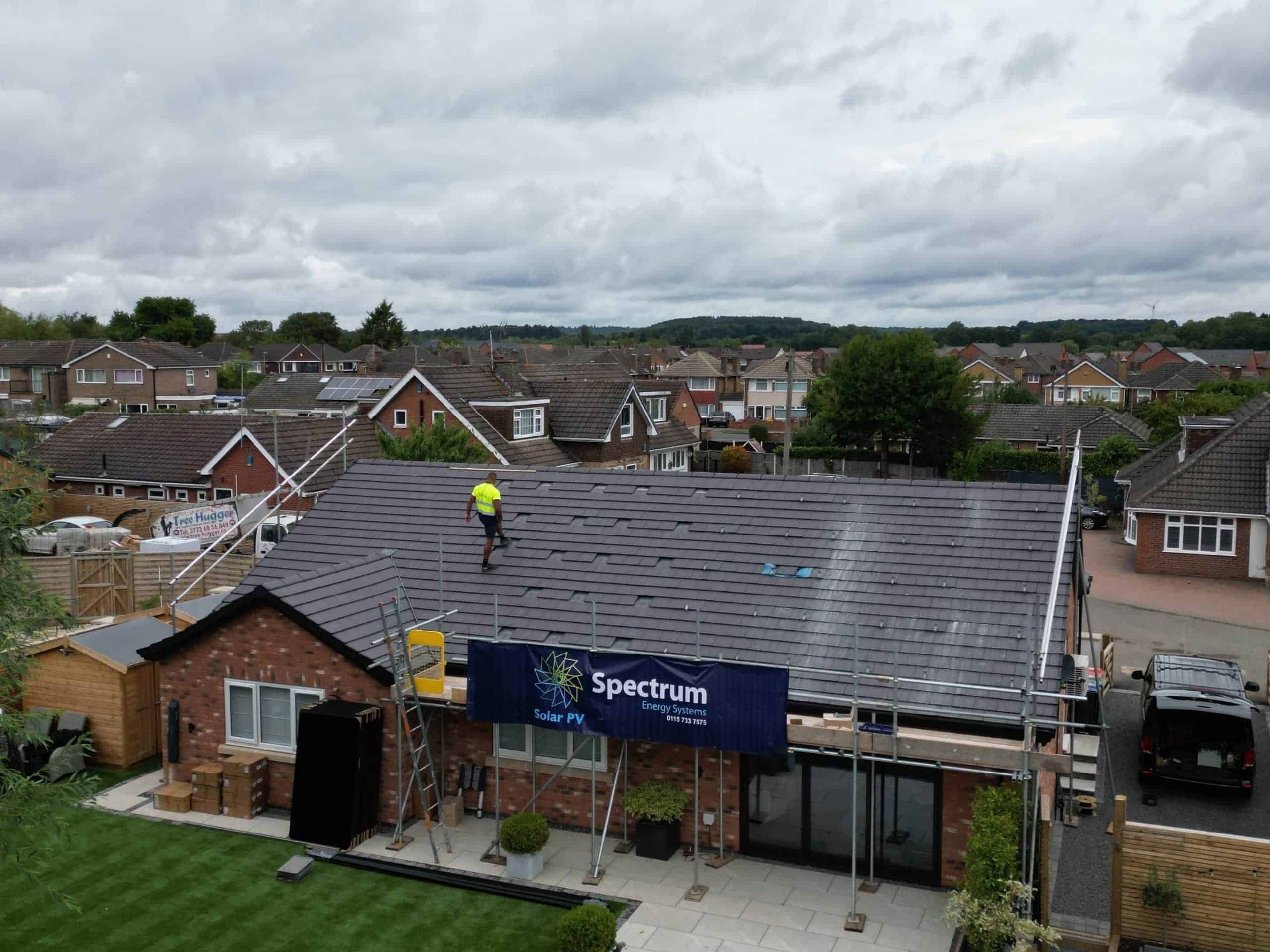
Every on-roof fixing passes through the covering to reach a rafter, so the leak question is legitimate. The answer is in how the penetration is made:
- Engineered roof hooksShaped to sit under the tile above, so water sheds over the bracket exactly as it sheds over a tile.
- Tiles worked, not smashedTiles lift, brackets fix to rafters, tiles relay. A careful installer grinds a tile to sit flush over a hook; a careless one leaves it rocking.
- Flashing where designs need itSlate and some profiles take purpose-made flashings rather than hope.
- In-roof systems weatherproof differentlyThe trays are the covering, flashed like a rooflight, per our mounting comparison.
Done this way, the roof sheds water after the install exactly as it did before, for decades.
What the survey checks first
Before we price anything, the survey answers the questions this article is really about: the covering's condition and remaining life, the state of battens and visible timbers, any sagging or spread in the structure, and how the array's fixing points will land on the rafters. Slate and fragile old clay tiles get flagged for the careful-labour treatment they need. And where a roof is near re-covering time, we say so, because panels on a roof that needs stripping in five years is a sequencing mistake nobody should pay for twice; the right order is covered in our removal and refit explainer.
Where the horror stories come from
The leaking-roof stories are real and they cluster around the same shortcuts:
- Fixings into battens or nothingMissing the rafter and hoping. The array stays up until the first proper storm asks questions.
- Cracked tiles left in placeBoots and haste crack tiles; bad installers leave them, and the leak arrives months later.
- Sealant as a strategyMastic smeared over a bad penetration is a countdown, not a fix.
- No survey at allPanels sold off a postcode and satellite photo, landing on a roof nobody assessed.
Every one of these is a workmanship failure, which is why the fix is choosing the installer, not avoiding the technology. Our installer-choice guide covers the vetting.
How a good install protects the roof
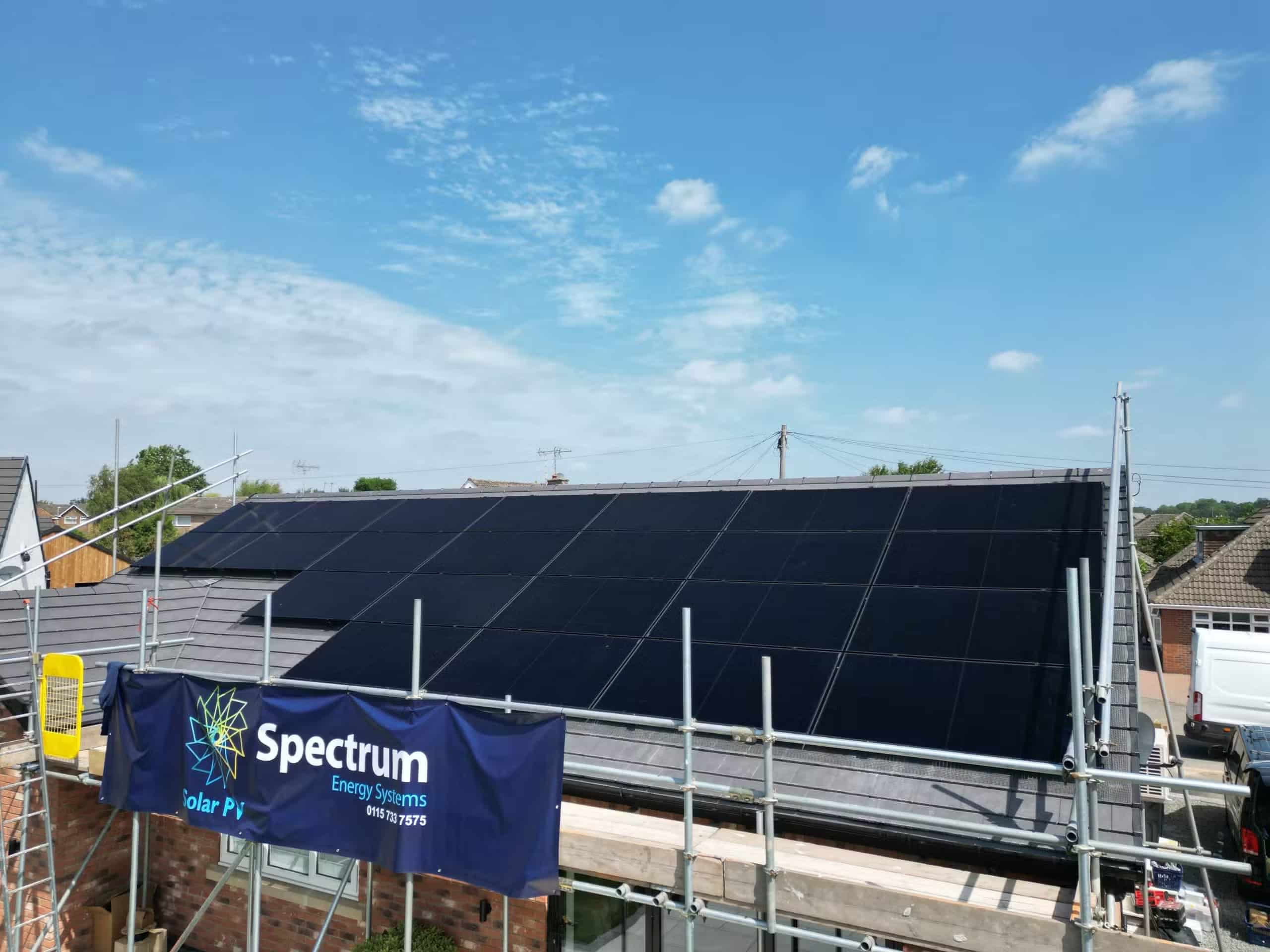
The habits that keep roofs healthy are unglamorous: walking boards and care on the covering, tiles lifted and relaid rather than drilled through, spare tiles asked for at survey so any casualty is replaced like for like, penetrations photographed before panels cover them, and a workmanship guarantee that stands behind the fitting, ours running 5 years backed by a QANW insurance-backed guarantee. On top sits the quiet benefit nobody prices: the array itself then shields its patch of roof from sun and hail for decades, which is why the covering under old arrays so often outlasts the exposed strips around them.
Want your roof assessed before anything else?
The survey comes first and it is free: roof condition, fixing plan and the honest verdict, including "sort the roof first" when that is the truth. Over 1,000 installs across the East Midlands since 2011. Call 0115 773 7575, 8am to 8pm, Monday to Friday.
Book a feasibility assessmentFrequently asked questions
Are solar panels too heavy for my roof?
Almost never on a sound roof: the distributed load of panels and rails sits comfortably within what roof structures are engineered to carry. The survey checks structure and condition regardless, and the rare genuine doubt goes to a structural engineer before anyone spends install money.
Do solar panels cause roof leaks?
Properly fitted, no: engineered hooks shed water like the tiles around them, and tiles are lifted and relaid rather than pierced. Leaks trace to workmanship shortcuts, fixings missing rafters, cracked tiles left behind, sealant instead of flashing, which is an installer-selection problem with an installer-selection solution.
Should I replace my roof before getting solar panels?
Only if it needs it soon anyway: panels last 25-plus years, so a covering with five years left is the wrong foundation, and re-roofing with in-roof panels in one project is the elegant answer. A roof with decades left takes on-roof panels now without a second thought.
What happens if a tile cracks during installation?
It gets replaced, immediately and like for like, which is why good installers ask about spare tiles at survey and carry common profiles. A cracked tile left under an array is the classic slow leak, so the question to ask any installer is simply how they handle breakages.
Do solar panels protect the roof underneath them?
Genuinely, yes: the array shields its patch of covering from UV, hail and weathering, and coverings under long-standing arrays routinely age better than the exposed roof around them. It is a side benefit rather than a reason to buy, but it runs opposite to the damage worry.
Who pays if an installation does damage my roof?
The installer's workmanship guarantee, which is why its length and backing matter: ours runs 5 years backed by a QANW insurance-backed guarantee that survives even if the company does not. Fitting damage is a workmanship claim, not a home insurance one, so vet the guarantee before the price.
Related reading
- Solar panel sizes, dimensions and weight
- In-roof vs on-roof solar panels
- How to choose a solar installer
- Solar panel mounting systems explained
- Solar panel warranties explained
Roofs treated like they matter
We are an MCS certified installer (NIC200223) based in Bulwell, Nottingham, with our own crews and a guarantee that stands behind every fixing. Call 0115 773 7575, 8am to 8pm, Monday to Friday.
Get in touch