Are Your Solar Inverters Due for Replacement?
- Inverter health assessment
- FiT-compliant upgrade solutions
- Modern monitoring & improved efficiency
Project Overview
Spectrum Energy Systems originally installed a 177kW solar array for Elsoms Seeds back in 2013. After more than a decade of reliable service, the original Power One/ABB 27.5kW inverters had reached the end of their operational lifespan—a common occurrence, as inverters typically begin deteriorating after 7-8 years and rarely last beyond 10.
As the original installers with a long-standing relationship spanning over 12 years, Elsoms contacted us to handle their commercial solar inverter replacement in Spalding. The project wasn't straightforward: alongside replacing the aging inverters, we needed to integrate the system with a new 100kW array also being installed in early 2025, whilst preserving the original system's Feed-in Tariff eligibility.
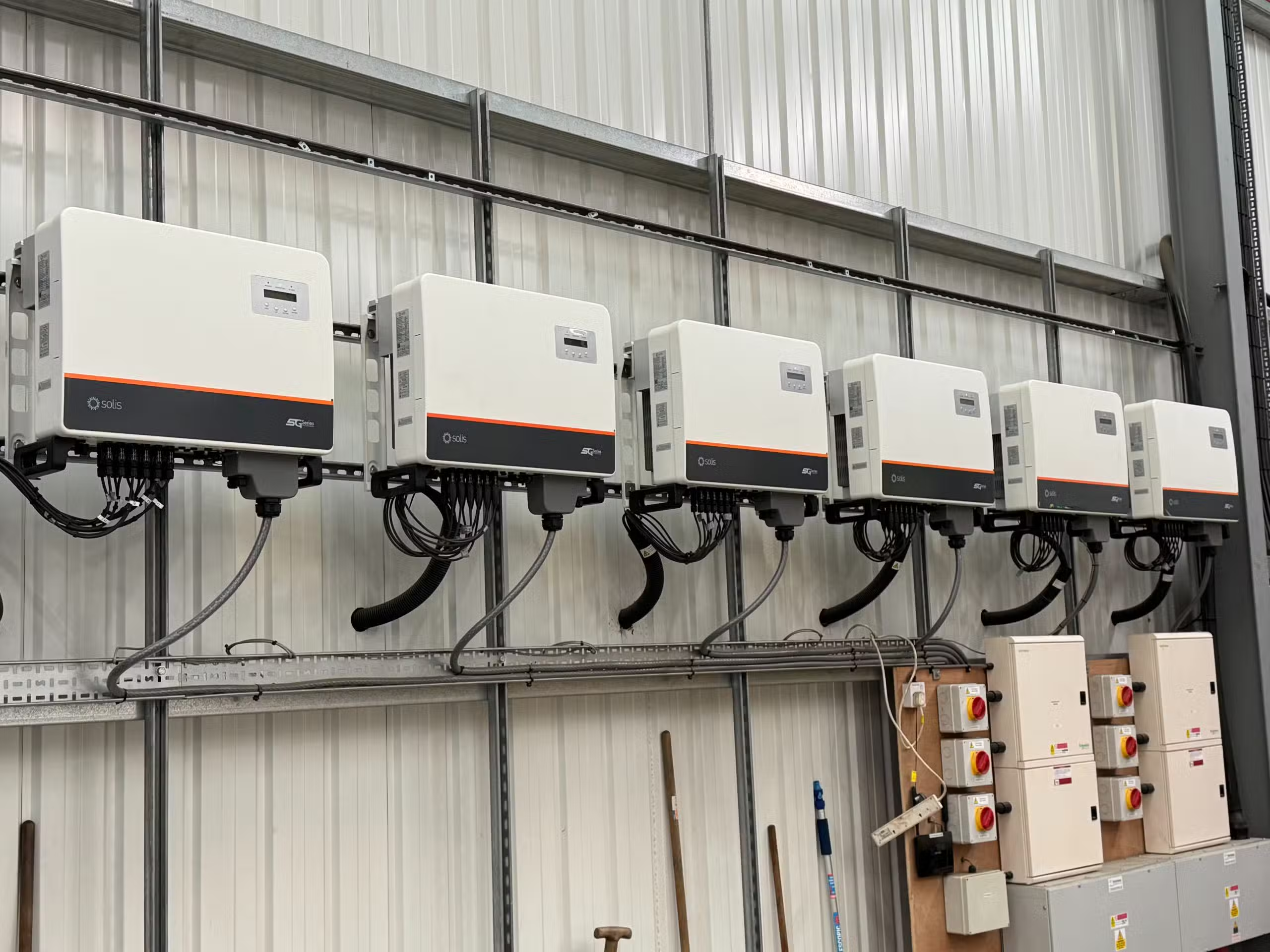
Our engineers designed a bespoke solution using 6 Solis 25kW string inverters, chosen specifically for their robustness, reliability, and advanced monitoring capabilities. The result is a modernised system with remote visibility of both arrays combined—something the original 2013 technology simply couldn't provide.
A 12-Year Partnership
This Project Is Ideal If You Have:
A commercial solar system over 7 years old with original inverters
Feed-in Tariff eligibility you need to protect during upgrades
A desire for remote monitoring and real-time system visibility
Plans to expand your existing array with additional capacity
The Challenge
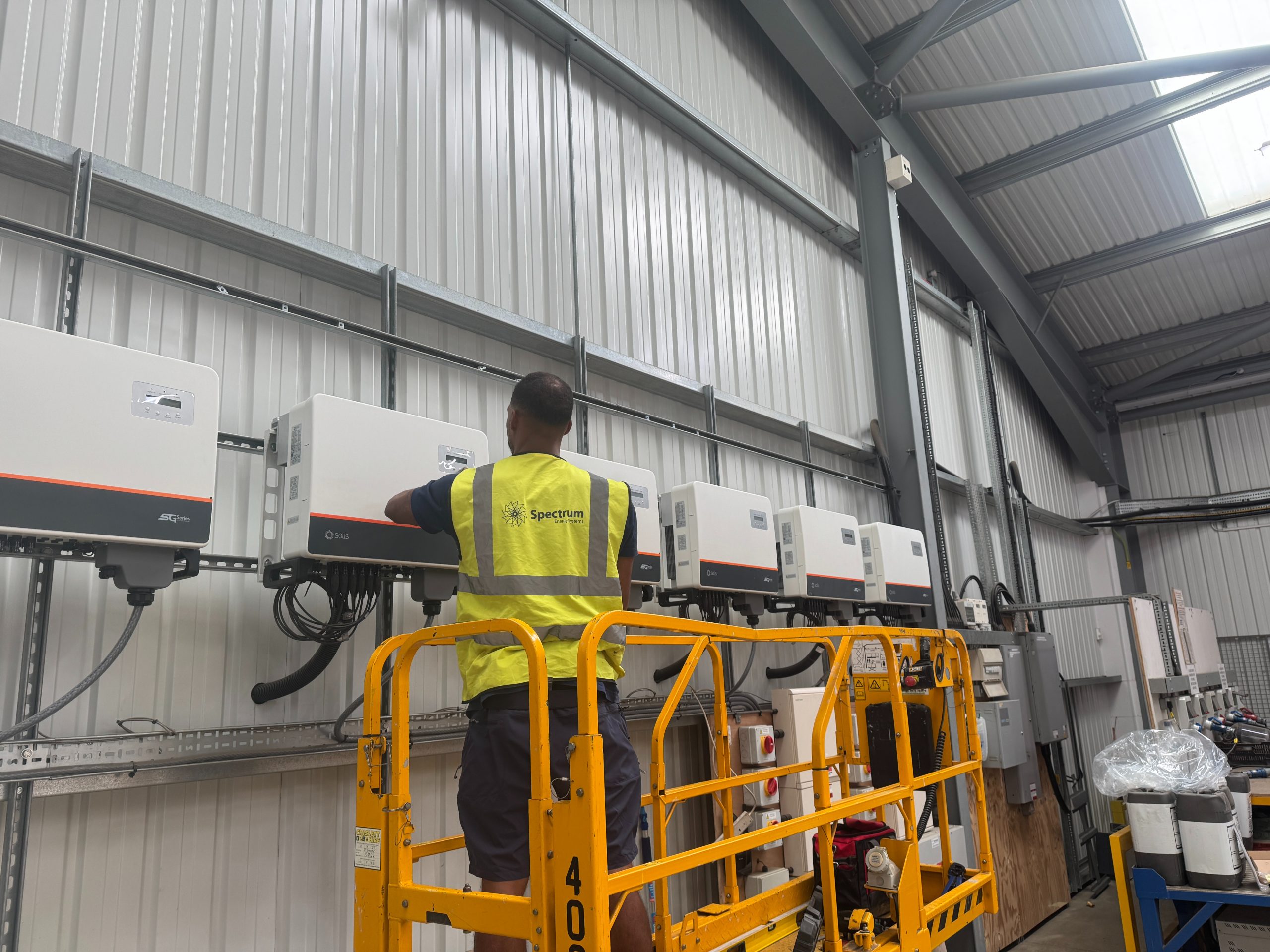
This commercial solar inverter replacement in Spalding presented several complex technical challenges that required careful engineering. The main difficulty wasn't simply swapping old inverters for new—it was integrating the replacement inverters with an entirely new 100kW array that Elsoms had commissioned us to install at the same time.
The original 177kW array benefits from Feed-in Tariff (FiT) payments, which provide income based on the energy generated. The new 100kW array doesn't qualify for FiT. This created a critical requirement: the new array's generation couldn't "go through" the existing array's generation meter, as this would falsely boost the kWh total and potentially breach FiT regulations.
Elsoms also wanted remote visibility of both arrays combined, allowing them to monitor total site generation and consumption from anywhere with internet access. Achieving this whilst keeping the metering separate added another layer of technical complexity.
Beyond the electrical engineering challenges, our team needed to route lengthy communication cables both externally and internally through a busy commercial warehouse, working around strict health and safety protocols and ongoing operations. The building's configuration required creative cable containment solutions to maintain a clean, professional installation.
Our Solution
Our engineers designed a bespoke solution that addressed every challenge whilst delivering significant improvements over the original system. The replacement involved installing 6 Solis 25kW string inverters—chosen specifically for their proven reliability in commercial environments and their excellent monitoring capabilities.
The key to preserving FiT compliance whilst enabling combined monitoring lay in the system architecture. We installed a Solis Export Power Manager (EPM) that allows both arrays to work together to reduce grid consumption, but crucially keeps the generation metering separate. The new array's output doesn't affect the original system's recorded generation figures.
To provide the site-wide visibility Elsoms required, we designed a new metering arrangement connected to an externally located sub-station that supplies power to the entire site. This captures true load and export data across both arrays, feeding into the Solis monitoring platform for real-time remote access.
The Solis daisy chain cable configuration enables all six inverters to communicate seamlessly, providing consolidated data through a single monitoring interface. This is a significant upgrade from the original 2013 system, which lacked any remote monitoring capability—Elsoms can now track performance, identify issues, and verify generation from anywhere with internet access.
Technical Specifications
Need to Protect Your FiT During an Upgrade?
We specialise in compliant inverter replacements and system expansions that preserve your Feed-in Tariff eligibility.
Installation Process
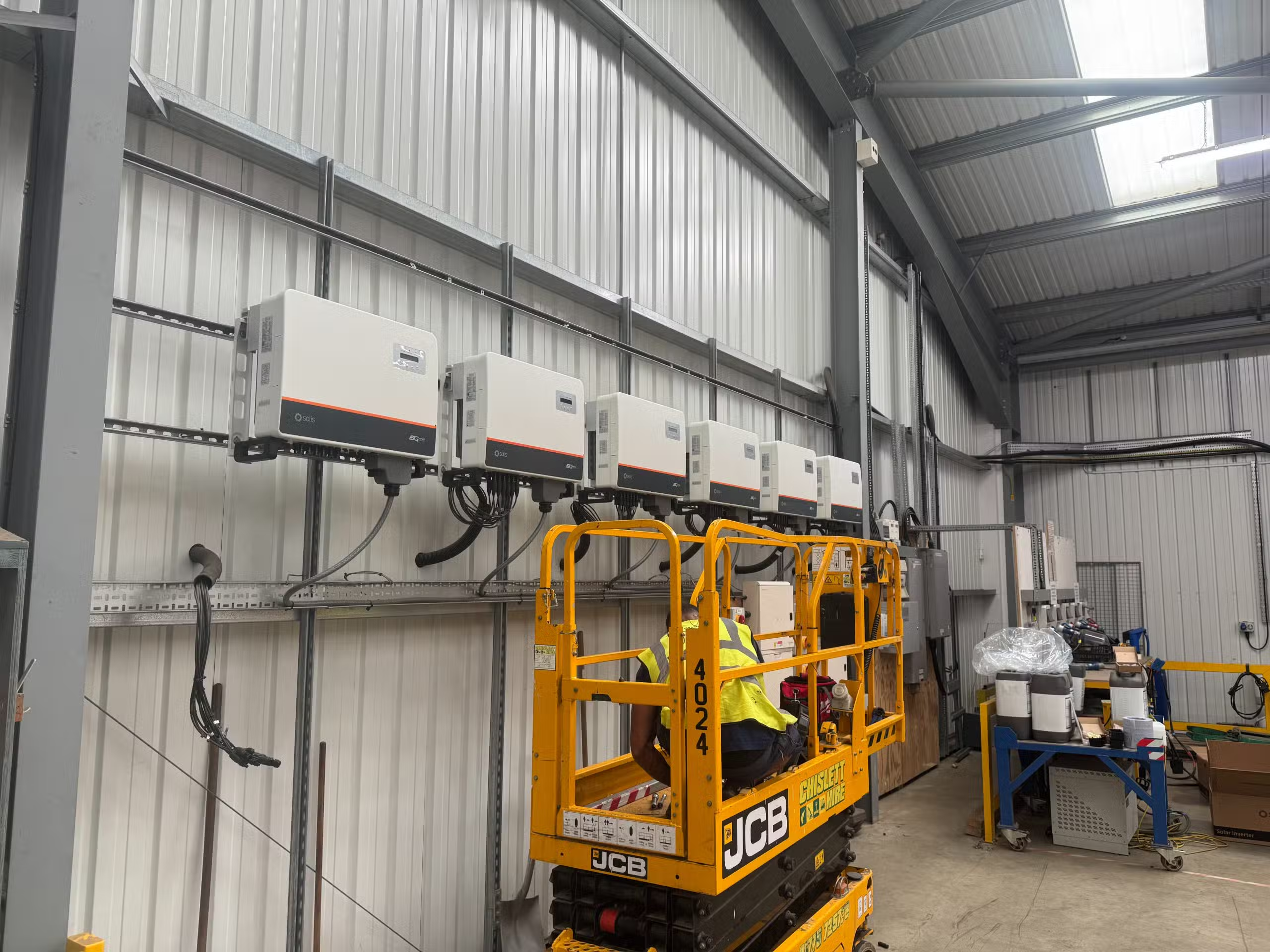
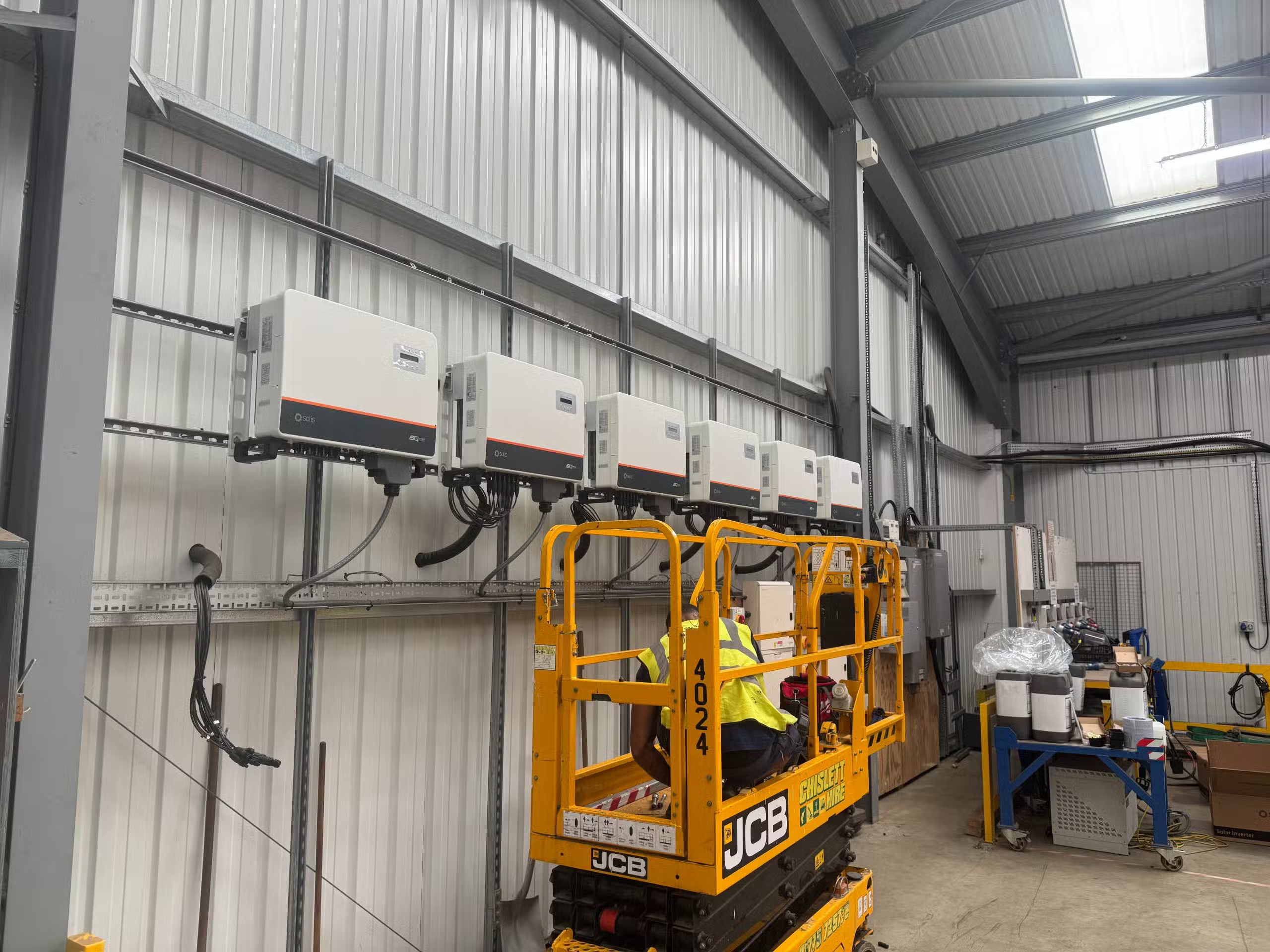
The commercial solar inverter replacement was completed in five days, requiring careful coordination to minimise disruption to Elsoms' busy commercial operations. Working in an active industrial warehouse environment demanded strict adherence to health and safety protocols throughout the project.
The installation involved mounting all six Solis 25kW inverters on the plant room wall, creating a clean, accessible lineup that allows for easy maintenance and monitoring. Each inverter was connected to its respective panel strings, with the daisy chain communication cable linking all units together.
One of the more challenging aspects was routing the communication and metering cables. These needed to travel from the inverter room to the external sub-station, passing through both internal warehouse spaces and external areas. Our team designed a containment route that kept cables protected and the installation professional—no easy task in a working commercial environment.
The Solis EPM was configured to manage power flow between both the original FiT array and the new 100kW system, with the new metering equipment installed at the sub-station to capture accurate site-wide data. Final commissioning included thorough testing of all monitoring systems and verification that the FiT generation meter remained correctly isolated from the new array's output.
Throughout the process, our team maintained close communication with Elsoms' facilities management, coordinating access and working hours to minimise impact on their operations. Our commercial solar maintenance services ensure systems like this continue performing optimally for years to come.
Results & Impact
The completed commercial solar inverter replacement in Spalding has delivered significant improvements across multiple areas. Most importantly, Elsoms Seeds now has modern, reliable inverter technology that should serve them well for another decade—far more dependable than the aging Power One units that had reached the end of their operational life.
Key Outcomes
The new Solis inverters provide substantially improved efficiency compared to the 12-year-old units they replaced. Modern inverters feature better Maximum Power Point Tracking (MPPT), lower conversion losses, and more sophisticated power management—all of which translate to more usable energy from the same panel array.
Perhaps the most significant improvement is the remote monitoring capability. Where the original system required on-site checks to verify performance, Elsoms can now monitor both their 177kW FiT array and their new 100kW system from anywhere with internet access. Real-time generation data, fault alerts, and historical performance records are all available through the Solis monitoring platform.
The bespoke EPM solution successfully allows both arrays to work together to offset site consumption whilst maintaining the critical separation required for FiT compliance. This was the most technically challenging aspect of the project, and everything now works exactly as designed.
For businesses with aging solar systems, our guide to smart solar investment explains how proactive maintenance and timely upgrades protect your returns over the system's lifetime.
How Old Are Your Solar Inverters?
If your inverters are approaching 7-10 years old, now is the time to plan for replacement—before unexpected failure costs you generation.
A Partnership Built on Trust
Elsoms trust Spectrum implicitly. Our working relationship is very robust. They knew that we would complete an exceptional job and do exactly what we set out to achieve.— Elsoms Seeds
Our relationship with Elsoms Seeds spans over 12 years, from the original 177kW installation in 2013 through to this comprehensive upgrade project. This kind of long-term partnership is the best endorsement of our work—when a client returns to you again and again, it demonstrates genuine trust in your capabilities and professionalism.
Forging strong working relationships that span many years is, as we see it, the best business of all. It's why we maintain detailed records of every system we install and why our commercial solar clients know they can rely on us for ongoing support throughout their system's lifetime.
Project Gallery
Common Questions About Inverter Replacement
"My inverters still seem to be working—do I really need to replace them?"
Inverters often deteriorate gradually before failing completely. Reduced efficiency, more frequent faults, and declining generation can cost you money without obvious symptoms. A professional assessment can identify whether replacement now prevents costly downtime later.
"Will replacing inverters affect my Feed-in Tariff?"
No—inverter replacement doesn't affect FiT eligibility. However, if you're also expanding your system, careful design is essential to keep generation metering separate. We've handled many FiT-compliant upgrades, including this complex dual-array integration.
"Why Solis inverters rather than other brands?"
We chose Solis for Elsoms based on their proven reliability in commercial environments, excellent monitoring capabilities, and strong manufacturer support. We work with multiple inverter brands and recommend the best fit for each specific project.
"Can you work around our business operations?"
Absolutely. We completed this project in a busy industrial warehouse with strict H&S protocols, coordinating access and timing to minimise disruption. Commercial installations are our speciality—we understand that downtime costs money.
Frequently Asked Questions
Solar inverters typically begin to deteriorate after 7-8 years and rarely last beyond 10-12 years, whilst solar panels can last 25+ years. This means most commercial solar systems will need at least one inverter replacement during their lifetime. Planning for this replacement before failure occurs prevents costly downtime and lost generation—proactive replacement is almost always more cost-effective than emergency callouts.
Yes, inverter replacements don't affect your Feed-in Tariff eligibility as long as the system capacity remains the same. However, if you're adding new panels alongside the replacement, careful system design is needed to keep the FiT-registered generation separate from new additions. This is exactly what we achieved for Elsoms Seeds, using a Solis EPM to integrate both arrays whilst maintaining compliant metering separation.
Warning signs include declining generation output compared to previous years, frequent error codes or faults, the inverter running hotter than usual, or complete failure. If your inverters are over 7 years old, it's worth having them professionally assessed. Proactive replacement allows you to plan the work, choose optimal timing, and benefit from improved modern inverter technology rather than scrambling to fix an unexpected failure.
Most commercial inverter replacements take 3-5 days depending on the number of inverters, system complexity, and site access requirements. This Elsoms Seeds project—replacing 6 inverters and integrating with a new 100kW array—was completed in 5 days. We prepare all equipment before starting the switchover to minimise the time your system is offline.
Modern inverters are significantly more efficient than those from 10+ years ago. They feature better MPPT (Maximum Power Point Tracking), lower conversion losses, and more sophisticated power management algorithms. They also offer remote monitoring capabilities that older inverters lack, giving you real-time visibility of your system's performance from anywhere. For a 177kW system like Elsoms', even small efficiency improvements translate to meaningful additional generation.
Is Your Solar System Due for an Inverter Upgrade?
If your commercial inverters are approaching 7-10 years old, now is the time to plan ahead. Get a professional assessment and discover how modern inverter technology can restore—and improve—your system's performance.
Learn More About Commercial Solar Maintenance
Regular maintenance and timely component upgrades are essential for maximising the return on your commercial solar investment. Our complete business solar guide covers everything from system sizing to ongoing maintenance requirements, helping you make informed decisions about your energy infrastructure.
Browse more examples of our commercial work in our solar installation case studies, or learn about our comprehensive solar panel maintenance and support services that keep systems performing at their best throughout their 25+ year lifespan.