How to Clean Solar Panels: The Complete UK Guide
Maintaining clean solar panels is crucial for optimal energy production, yet many UK homeowners and businesses aren't sure how to approach this essential task safely and effectively. Dirty solar panels can lose between 5% and 25% of their efficiency, directly impacting your energy savings and return on investment.
At Spectrum Energy Systems, we've been installing and maintaining solar PV systems across the East Midlands since 2011. This comprehensive guide draws on our 14+ years of experience to show you exactly how to clean solar panels properly, whether you're tackling the job yourself or considering professional services.
Why Clean Solar Panels? Understanding the Impact on Efficiency
Solar panels work by converting sunlight into electricity through photovoltaic cells. When dust, dirt, bird droppings, or other debris accumulate on the panel surface, they obstruct sunlight and reduce the system's ability to generate power.
The impact varies significantly based on your location and environment:
- Urban areas: Industrial pollution and traffic emissions can create a sticky film that rain alone won't remove
- Coastal regions: Salt spray leaves residue that can corrode panels if not cleaned regularly
- Rural settings: Pollen, agricultural dust, and bird activity often require seasonal cleaning
- Near trees: Falling leaves, sap, and increased bird droppings demand more frequent attention
Studies show that soiling losses in the UK typically range from 2% to 7% annually, but can reach up to 25% in heavily soiled conditions. For a typical 4kW domestic system generating £500-£700 worth of electricity yearly, that's potentially £35-£175 in lost savings.
Signs Your Solar Panels Need Cleaning
Recognising when your panels need attention is the first step in maintaining optimal solar panel performance. Here are the key indicators:
Visual Inspection Checklist
- Visible dirt, dust, or grime coating the panels
- Bird droppings (these create "hot spots" that significantly block light)
- Leaves or debris accumulated on the surface
- Moss or lichen growth around panel edges (common in the UK)
- Salt deposits (if you're within 10 miles of the coast)
Performance Indicators
If you have a monitoring system, watch for:
- Unexplained drops in daily energy production
- Lower output compared to similar weather conditions in previous months
- Inverter readings showing reduced efficiency
- Significant output differences between panel strings
How Often Should You Clean Solar Panels in the UK?
The UK's frequent rainfall provides some natural cleaning, but it's rarely sufficient for maintaining peak efficiency. Based on our experience across the East Midlands, we recommend:
UK Cleaning Frequency Guidelines
- Standard residential systems: 1-2 times per year (spring and autumn)
- Near main roads or motorways: 2-3 times per year due to traffic pollution
- Coastal properties: 3-4 times per year to remove salt deposits
- Under or near trees: 3-4 times per year, especially after autumn leaf fall
- Agricultural areas: 2-3 times per year, with extra cleaning during harvest season
- Commercial/industrial sites: 2-4 times per year depending on local emissions
The best months for cleaning in the UK are typically March/April (after winter weather) and September/October (after summer dust and before winter). This schedule aligns with our maintenance recommendations for optimal year-round performance.
Best Time to Clean Solar Panels
Timing your cleaning session correctly is crucial for both safety and effectiveness:
- Early morning (before 9am): Panels are cool, and morning dew helps loosen dirt
- Late evening (after 6pm): Panels have cooled down from the day's heat
- Overcast days: Ideal conditions with no risk of thermal shock
- During light rain: Nature assists with the rinsing process
Safety First: Essential Precautions Before Cleaning
Safety is paramount when cleaning solar panels. As MCS-accredited installers, we cannot stress enough the importance of proper safety procedures:
System Shutdown
- Locate your solar system's AC isolator (usually near your consumer unit)
- Switch off the AC isolator first
- Turn off the DC isolator (located near the inverter)
- Wait 5 minutes before beginning any cleaning
- Check your manufacturer's manual for specific shutdown procedures
Roof Safety Requirements
- Never attempt roof cleaning without proper safety equipment
- Use a secure ladder with someone holding it steady
- Consider roof anchors and safety harnesses for pitched roofs
- Wear non-slip footwear with good grip
- Avoid cleaning in wet, windy, or icy conditions
Warranty Considerations
Always check your warranty terms before cleaning. Most manufacturers approve gentle cleaning with soft brushes and water, but using harsh chemicals or abrasive tools can void your warranty. Keep records of your cleaning activities as part of your maintenance log.
Essential Tools & Equipment for Solar Panel Cleaning
Having the right equipment makes solar panel cleaning safer and more effective. Here's what you'll need:
Basic DIY Cleaning Kit
- Telescopic pole with soft brush attachment: 3-6 metre poles available from £30-£80
- Soft-bristle brush: Purpose-made solar cleaning brushes (£15-£30)
- Garden hose with adjustable nozzle: For gentle water pressure
- Bucket: For mixing cleaning solution
- Squeegee with extension pole: Plastic blade only (£20-£40)
- Microfibre cloths: For detail work and final drying
- Mild eco-friendly detergent: Or specialised solar panel cleaner
Water Considerations
In hard water areas (common across the East Midlands), using deionised or distilled water prevents mineral deposits. You can:
- Purchase deionised water (£1-2 per 5 litres)
- Invest in a portable deionisation unit (£150-£300)
- Use rainwater collected in a water butt
What NOT to Use
- Pressure washers (can crack panels and damage seals)
- Abrasive sponges or steel wool
- Harsh chemicals (bleach, ammonia, solvents)
- Steam cleaners or hot water
- Metal scrapers or brushes
- Rock salt or de-icing products
Step-by-Step Guide: How to Clean Solar Panels Safely
Follow this proven method for safe and effective solar panel cleaning:
Step 1: Preparation & Safety Check
- Check weather conditions (avoid rain, strong wind, or extreme temperatures)
- Turn off your solar system following the shutdown procedure
- Gather all equipment and check it's in good condition
- If working at height, ensure you have a spotter
- Review manufacturer's cleaning guidelines
Step 2: Initial Debris Removal
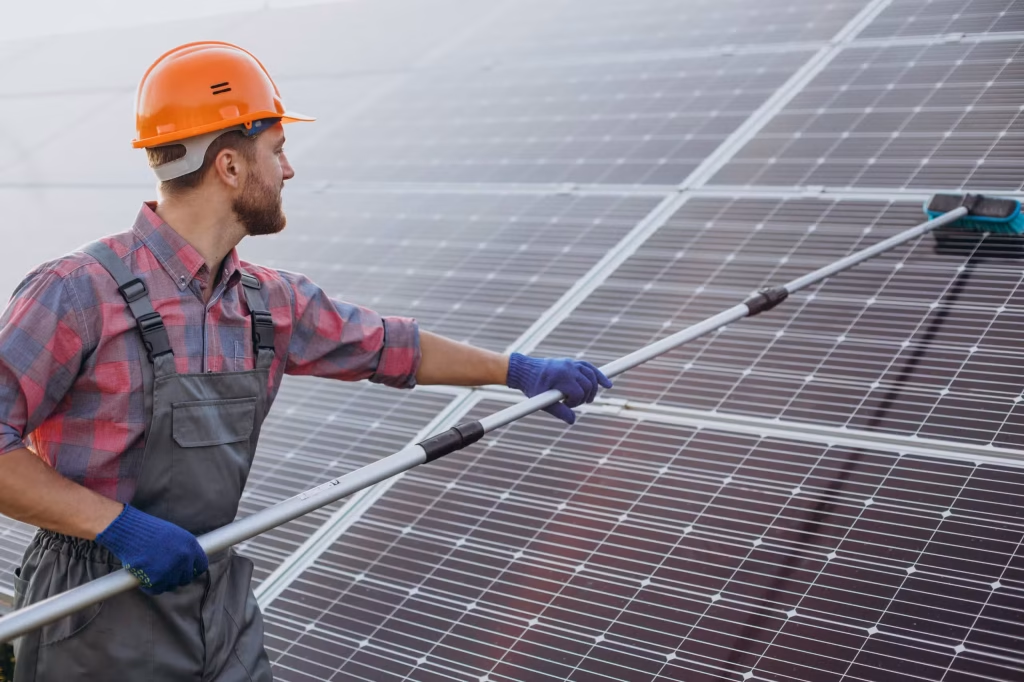
- Use a soft brush on an extension pole to gently sweep away loose debris
- Remove leaves, twigs, and any accumulated material
- Work from the top of the array downwards
- Pay attention to panel edges where debris often collects
Step 3: First Rinse
- Using your garden hose on a gentle setting, rinse panels from top to bottom
- This removes surface dust and loosens stubborn dirt
- Avoid high pressure that could damage seals
- Ensure water temperature is similar to ambient temperature
Step 4: Apply Cleaning Solution (If Needed)
- Mix a solution of warm water with a small amount of mild detergent (1:100 ratio)
- Apply with soft brush or sponge on extension pole
- Work in sections of 2-4 panels at a time
- Use gentle circular motions, avoiding excessive pressure
- For stubborn bird droppings, let solution sit for 2-3 minutes
Step 5: Thorough Rinse
- Rinse each section immediately after cleaning
- Ensure all soap residue is removed to prevent streaking
- Pay special attention to panel edges and frames
- Use plenty of water for a complete rinse
Step 6: Drying & Final Inspection
- Use a squeegee with soft rubber blade to remove excess water
- Work from top to bottom in smooth strokes
- Wipe edges with a microfibre cloth if accessible
- Allow panels to air dry completely
- Inspect for any remaining spots or streaks
Step 7: System Restart
- Once panels are dry, return to your electrical equipment
- Switch on the DC isolator first
- Turn on the AC isolator
- Check your inverter display for normal operation
- Monitor output for the next few days to confirm improved performance
Need Professional Solar Panel Cleaning?
Our MCS-accredited team provides safe, thorough cleaning services across Nottingham, Derby, Leicester, and Lincoln.
Get a Cleaning QuoteDealing with Stubborn Cleaning Challenges
Some situations require special attention beyond standard cleaning:
Bird Droppings
Bird droppings are acidic and can etch panel glass if left too long. For safe removal:
- Soak the area with warm soapy water
- Let it sit for 5 minutes to soften
- Gently scrub with a soft brush
- For persistent stains, use a 3% white vinegar solution
- Rinse thoroughly with clean water
Tree Sap and Sticky Residues
- Apply a small amount of isopropyl alcohol to a cloth
- Gently rub the affected area
- Follow with standard cleaning procedure
- Never use solvents or paint thinners
Moss and Lichen (Common in UK)
These can grow around panel edges in damp conditions:
- Use a plastic scraper to gently remove growth
- Apply diluted white vinegar to inhibit regrowth
- Consider professional treatment for extensive growth
- Improve roof drainage to prevent recurrence
Professional Solar Panel Cleaning Services
While DIY cleaning is possible for accessible systems, professional services offer significant advantages:
When to Hire Professionals
- Panels on second storey or higher
- Steep roof pitches (over 35 degrees)
- Large commercial arrays
- Limited mobility or health concerns
- Time constraints
- Warranty requirements
- After construction or renovation work
What Professional Services Include
Professional solar panel cleaners typically provide:
- Specialist equipment (water-fed poles up to 20 metres)
- Purified water systems preventing mineral deposits
- Full system inspection during cleaning
- Insurance coverage for any accidents
- Detailed service reports
- Identification of potential issues
Professional Cleaning Costs in the UK
Typical pricing for professional solar panel cleaning:
- Domestic systems (10-20 panels): £100-£200
- Per panel rate: £8-£15 depending on accessibility
- Commercial systems: £300-£1000+ depending on size
- Annual contracts: Often 15-20% cheaper than one-off cleans
- Combined with maintenance: Additional savings available
For systems in the East Midlands, our maintenance packages include regular cleaning alongside system health checks, offering better value than standalone services.
Choosing a Reputable Cleaner
When selecting a professional service, verify:
- Public liability insurance (minimum £1 million)
- Experience with solar systems
- Knowledge of panel warranties
- Proper safety certifications
- References from similar properties
- Use of purified water systems
UK-Specific Considerations for Solar Panel Cleaning
The UK's climate presents unique challenges and opportunities for solar panel maintenance:
Seasonal Factors
Spring (March-May): Ideal for post-winter cleaning. Remove debris from storms and prepare for peak summer generation. Watch for pollen accumulation, especially in rural areas.
Summer (June-August): Less frequent rain means more dust accumulation. Urban pollution and pollen can create stubborn films. Clean before the highest generation months.
Autumn (September-November): Critical cleaning period. Remove fallen leaves promptly to prevent staining. Clean after leaf fall but before winter weather.
Winter (December-February): Avoid cleaning in freezing conditions. Snow typically slides off panels naturally. Focus on removing any persistent debris after storms.
Regional Variations
Coastal Areas: Salt spray requires more frequent cleaning (quarterly). Use fresh water immediately after storms. Consider protective coatings for long-term protection.
Urban Centres: Traffic pollution creates grimy buildup. Clean every 4-6 months for optimal performance. Black carbon particles particularly problematic near main roads.
Agricultural Regions: Harvest dust and agricultural sprays necessitate seasonal cleaning. Spring planting and autumn harvest are critical periods. Pollen can be particularly heavy.
Common Solar Panel Cleaning Mistakes to Avoid
Learn from these common errors to protect your investment:
❌ Critical Mistakes That Can Damage Panels
- Using a pressure washer: Can crack glass and force water into electrical components
- Walking on panels: Creates micro-cracks that worsen over time
- Cleaning in extreme temperatures: Thermal shock can crack panels
- Using abrasive materials: Scratches reduce light transmission permanently
- Ignoring manufacturer guidelines: Voids warranty and risks damage
- Forgetting to shut down the system: Risk of electrical shock
- Using harsh chemicals: Can damage anti-reflective coatings
Common Misconceptions
- "Rain cleans panels completely" - Rain helps but doesn't remove all contamination
- "Dirty panels don't produce power" - They still work but at reduced efficiency
- "More soap means cleaner panels" - Excess soap leaves residue reducing efficiency
- "Panels are self-cleaning" - Only panels with special coatings, which still need occasional cleaning
Cost Analysis: Is Solar Panel Cleaning Worth It?
Understanding the financial impact helps justify regular cleaning:
DIY Cleaning Investment
- Initial equipment cost: £80-£150
- Ongoing supplies: £10-£20 per year
- Time investment: 2-3 hours twice yearly
- Typical efficiency gain: 5-15%
Professional Cleaning ROI
For a typical 4kW domestic system:
- Annual professional cleaning cost: £200-£300
- Efficiency improvement: 5-15% (£35-£105 annual benefit)
- Additional benefits: Extended panel life, warranty compliance, early problem detection
- Typical payback period: 2-4 years when considering all benefits
Commercial Systems
For commercial installations, the numbers are even more compelling:
- 50kW system dirty panel losses: £875-£2,625 annually
- Professional cleaning cost: £600-£1,000 annually
- Net benefit: £275-£1,625 plus extended equipment life
Monitoring Performance After Cleaning
Track the effectiveness of your cleaning efforts:
Performance Monitoring Steps
- Record output for several days before cleaning
- Note weather conditions for accurate comparison
- Document immediate post-cleaning performance
- Monitor for one week to establish new baseline
- Calculate percentage improvement
Using Your Monitoring System
Modern inverters and monitoring systems show:
- Daily energy production (kWh)
- Real-time power output (kW)
- Historical performance data
- System efficiency ratings
- Individual string performance (for fault detection)
Regular monitoring helps identify when cleaning is needed and validates the effectiveness of your maintenance routine.
Beyond Cleaning: Complete Solar Panel Maintenance
While cleaning is important, comprehensive maintenance ensures long-term performance:
Annual Maintenance Checklist
- Visual inspection of all panels for cracks or discolouration
- Check mounting systems for corrosion or loose fittings
- Inspect cables for damage or wear
- Verify inverter operation and error logs
- Test DC and AC isolators
- Review system performance data
- Update maintenance records
Our comprehensive maintenance services cover all these aspects, ensuring your system operates at peak efficiency year-round.
Ready to Maximise Your Solar Investment?
Whether you need one-off cleaning or comprehensive maintenance packages, our experienced team is here to help.
Contact Our TeamFrequently Asked Questions About Solar Panel Cleaning
Conclusion: Maintaining Peak Solar Performance
Regular solar panel cleaning is a simple yet crucial aspect of maintaining your renewable energy investment. Whether you choose DIY cleaning or professional services, keeping your panels clean ensures maximum energy generation, protects your warranty, and extends system life.
For UK solar panel owners, the combination of our variable weather, urban pollution, and seasonal challenges makes a structured cleaning schedule essential. By following this guide and maintaining your panels properly, you'll enjoy consistent performance and maximum returns from your solar investment.
Remember, cleaning is just one part of comprehensive solar maintenance. Regular inspections, monitoring, and professional servicing ensure your system continues delivering clean, efficient energy for decades to come.
Need Expert Solar Panel Cleaning or Maintenance?
With over 14 years serving the East Midlands, Spectrum Energy Systems provides professional cleaning and maintenance services you can trust. From one-off cleans to comprehensive maintenance packages, we keep your solar investment performing at its best.
Get Your Free Quote TodayAbout Spectrum Energy Systems: Established in 2011, we're MCS-accredited solar installers serving Nottingham, Derby, Leicester, Lincoln and the wider East Midlands. From initial design through to ongoing maintenance, we deliver complete solar solutions for homes and businesses. Learn more about our expertise or explore our recent solar projects.