Energy Saving Tips for Businesses in UK: Practical Ways to Cut Costs and Reduce Consumption
Rising energy costs continue to challenge UK businesses of all sizes. Whether you run a small office, manage a retail outlet, or operate a warehouse, reducing energy consumption delivers immediate financial benefits whilst supporting sustainability goals. The good news is that meaningful savings are achievable without disrupting your operations—many businesses reduce their energy bills by 10–30% through practical changes that require minimal investment.
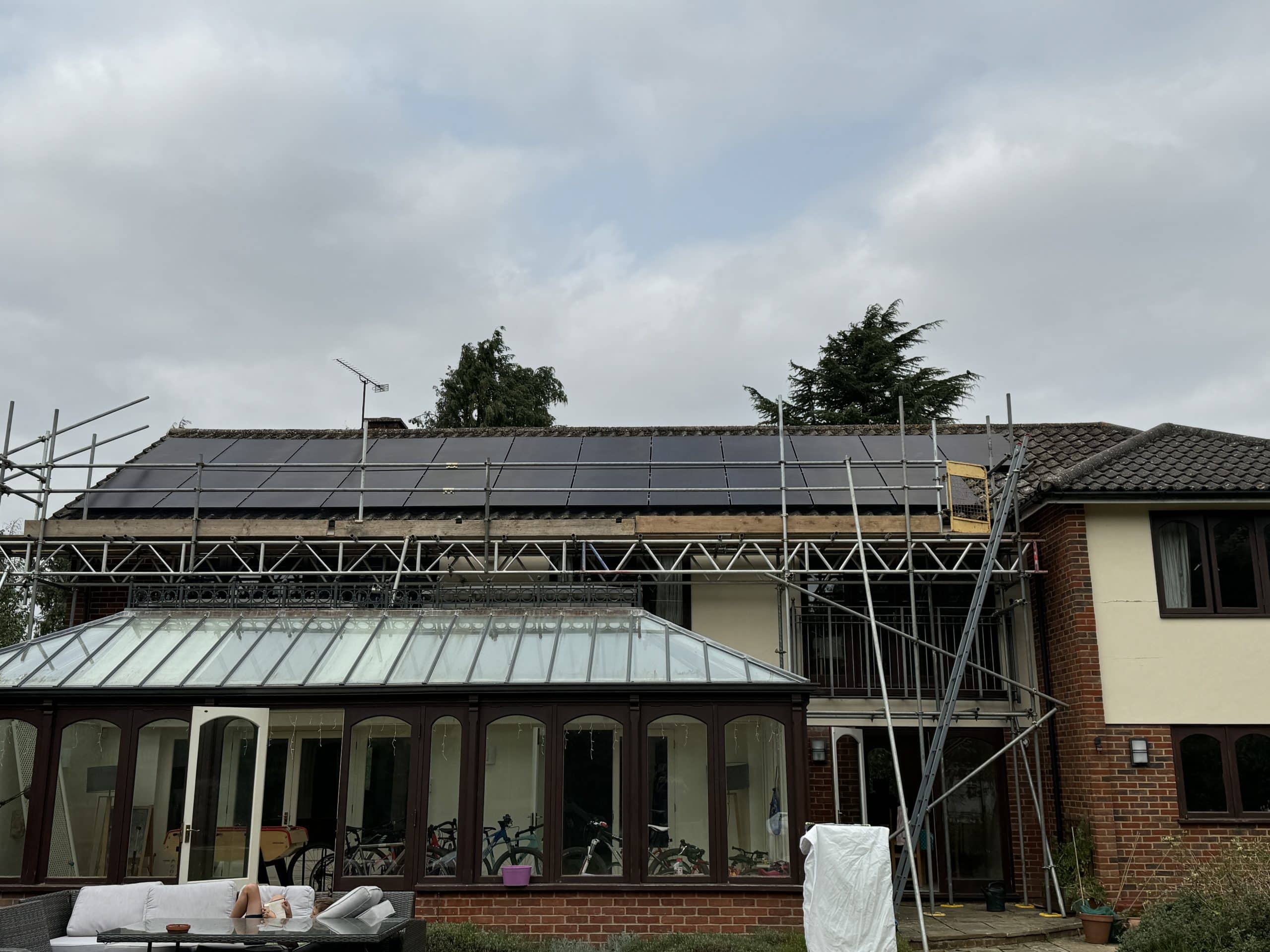
At Spectrum Energy Systems, established in 2011, we've helped hundreds of businesses across the East Midlands lower energy bills through a combination of behavioural changes, equipment upgrades, and renewable energy installations. This comprehensive guide shares proven business energy reduction strategies that work for UK companies, from quick wins you can implement today to long-term investments that deliver substantial returns.
Whether you're looking to cut costs, meet environmental targets, or future-proof your business against rising energy prices, these practical tips provide a roadmap to lower energy bills for businesses UK-wide. For businesses ready to take the next step, our complete business solar guide explains how renewable energy can dramatically reduce your electricity bills.
In This Guide
- Quick Wins for Immediate Savings
- Why Energy Efficiency Matters
- Lighting Energy Saving Tips
- Heating, Ventilation & Air Conditioning
- Office Equipment & Appliances
- Smart Technology & Energy Management
- Building Insulation & Fabric
- Behavioural Changes That Save Energy
- Renewable Energy Options
- Industry-Specific Tips
- Energy Audits & Assessments
- Government Schemes & Support
- Measuring & Tracking Savings
- Common Mistakes to Avoid
- Frequently Asked Questions
Ready to Reduce Your Business Energy Costs?
Discover how solar panels can cut your electricity bills by 20–40% with a free assessment from our MCS-accredited team
Get Your Free Quote Speak to Our TeamQuick Wins for Immediate Energy Savings
Before investing in major upgrades, focus on these energy saving measures for businesses that typically deliver 5–20% savings quickly. These low-cost or no-cost changes require minimal disruption and often pay for themselves within weeks or months.
Switch to LED Lighting
Lighting typically accounts for 15–25% of a commercial building's electricity consumption. Switching from halogen or fluorescent to LED lighting reduces energy use by 70–80% whilst providing better quality light and lasting 15–25 times longer. For most businesses, this change alone delivers significant annual savings depending on operating hours.
Turn Off Unused Equipment
Standby power consumption—sometimes called "vampire power"—wastes significant energy. Computers, monitors, printers, and kitchen appliances left on standby can account for 10–15% of office electricity use. Implementing a simple end-of-day shutdown routine or using smart power strips eliminates this waste immediately.
Optimise Heating and Cooling Settings
Heating and cooling represent the largest energy expense for most UK businesses. The recommended temperature range is 18–21°C for heating and 24–26°C for cooling. Reducing your thermostat by just 1°C can cut heating bills by up to 10% without noticeably affecting comfort. Ensure systems aren't heating and cooling simultaneously—a surprisingly common problem in larger buildings.
Review Energy Tariffs Regularly
Many businesses remain on expensive default tariffs or contracts that no longer offer competitive rates. Reviewing your energy contracts annually and comparing suppliers can yield significant savings. Consider whether a fixed or variable rate suits your business better, and explore time-of-use tariffs if your operations can be flexible.
Quick Implementation Checklist
Start with these actions this week:
- Audit current lighting and identify LED replacement opportunities
- Check thermostat settings across all zones
- Implement an end-of-day equipment shutdown policy
- Review when your current energy contract expires
- Identify equipment running unnecessarily overnight or at weekends
Why Energy Efficiency Matters for UK Businesses
Energy efficiency isn't just about cutting costs—though that's certainly compelling. UK businesses face multiple pressures making commercial energy management increasingly important for long-term success.
Rising Energy Costs
UK business electricity prices have increased significantly over recent years, with volatility likely to continue. For energy-intensive operations, these costs directly impact margins and competitiveness. Reducing consumption provides insulation against future price rises whilst improving profitability today. Our smart solar investment guide explains how renewable energy provides long-term price certainty.
Environmental and ESG Pressures
Customers, investors, and employees increasingly expect businesses to demonstrate environmental responsibility. The UK's Net Zero targets and growing ESG (Environmental, Social, and Governance) requirements mean energy efficiency is becoming a competitive differentiator. Businesses that act now position themselves favourably for tightening regulations and changing market expectations.
Legal and Regulatory Drivers
Minimum Energy Efficiency Standards (MEES) already require commercial properties to meet minimum EPC ratings. These standards are tightening, with proposals for all commercial buildings to reach EPC B by 2030. Taking action now avoids costly last-minute compliance scrambles and potential penalties. Understanding the key benefits of solar panels for businesses helps with long-term planning.
Lighting Energy Saving Tips for Businesses
These business electricity saving tips focus on lighting—one of the most accessible and cost-effective energy saving opportunities for UK businesses. Modern LED technology has transformed what's possible, delivering better light quality at a fraction of the energy cost.
Upgrade to LED Lighting
LED lighting uses 70–80% less energy than traditional halogen bulbs and 30–50% less than fluorescent tubes. Beyond energy savings, LEDs offer:
- Longer lifespan: 25,000–50,000 hours versus 1,000 hours for halogen
- Lower maintenance: Fewer replacements reduce labour costs
- Better light quality: Improved colour rendering and reduced flicker
- Instant start: Full brightness immediately, unlike some fluorescents
- Cooler operation: Less heat output reduces cooling loads
For warehouses and industrial buildings, high-bay LED lighting delivers particularly impressive savings. Our commercial building solutions often combine LED upgrades with solar installation for maximum impact.
Use Lighting Controls
Even efficient lights waste energy when illuminating empty spaces. Implementing controls ensures lights operate only when needed:
- Occupancy sensors: Automatically switch lights off in unoccupied areas
- Daylight sensors: Dim or switch off artificial lighting when natural light is sufficient
- Timers: Ensure lights aren't left on outside business hours
- Zoned controls: Allow independent control of different areas
Maximise Natural Light
Optimising natural light reduces the need for artificial lighting during daylight hours. Consider office layout to position workstations near windows, use light-coloured walls and surfaces to reflect light deeper into spaces, and keep windows clean. Where possible, install skylights or light tubes to bring daylight into interior spaces.
Heating, Ventilation, and Air Conditioning (HVAC)
HVAC systems typically account for 40–50% of commercial building energy consumption, making them the most important focus for significant savings. Even modest improvements deliver substantial cost reductions.
Optimise Temperature Settings
Finding the right balance between comfort and efficiency is crucial. Recommended settings for UK commercial buildings:
| Setting | Recommended Range | Impact of 1°C Change |
|---|---|---|
| Heating temperature | 18–21°C | Up to 10% heating cost change |
| Cooling temperature | 24–26°C | 5–8% cooling cost change |
| Night setback | 10–15°C | Significant overnight savings |
| Weekend setback | 12–15°C | Reduces heating during closure |
Regular Maintenance
Poorly maintained HVAC systems consume significantly more energy than necessary. Essential maintenance tasks include:
- Clean or replace filters monthly during heavy use periods
- Annual professional servicing of all heating and cooling equipment
- Check and seal ductwork for leaks (can waste 20–30% of conditioned air)
- Clean heat exchanger coils and check refrigerant levels
- Verify controls are working correctly and not fighting each other
Upgrade to Energy-Efficient Systems
When replacement is due, modern HVAC technology offers dramatically improved efficiency. Air source heat pumps can deliver 3–4 units of heat for every unit of electricity consumed. High-efficiency condensing boilers extract more heat from fuel. Zoned heating controls ensure you're only conditioning occupied spaces.
HVAC Quick Win
Check your building management system or heating controls for "simultaneous heating and cooling"—where heating and cooling systems work against each other. This wastes enormous amounts of energy and is surprisingly common. A simple controls adjustment can eliminate this immediately.
Office Equipment and Appliances
These energy saving ideas for offices focus on IT equipment, kitchen appliances, and office machinery that contribute significantly to business energy consumption. Smart management of these devices reduces costs without affecting productivity.
Reduce Standby Power
The average office workstation wastes significant electricity annually on standby power alone. Multiply this across your workforce, and the waste becomes substantial. Solutions include:
- Configure computers to sleep after 5–10 minutes of inactivity
- Implement automatic shutdown policies for end of business hours
- Use smart power strips that cut power to peripherals when the main device is off
- Switch monitors off rather than leaving on screensavers
Choose Energy-Efficient Equipment
When purchasing new equipment, energy ratings matter. Look for Energy Star certification and compare energy consumption specifications. For IT equipment, consider laptops over desktops (typically 80% less energy), efficient servers, and cloud-based solutions that shift energy consumption to highly optimised data centres.
Centralise and Rationalise
Do you really need a printer on every desk? Centralising printing, using multifunction devices, and setting double-sided printing as default reduces both energy consumption and consumable costs. Similarly, consolidating servers and moving to virtualised or cloud infrastructure can dramatically reduce IT energy requirements.
Smart Technology and Energy Management
Modern energy saving technologies for businesses enable unprecedented visibility and control over consumption, helping identify waste and optimise usage automatically.
Smart Meters and Monitoring
Smart meters provide real-time visibility of energy consumption, moving beyond quarterly estimates to understand exactly when and where energy is used. This data reveals patterns—unexpected overnight consumption, weekend waste, equipment left running—that would otherwise go unnoticed. Many businesses discover 10–20% waste simply by reviewing smart meter data.
Building Management Systems (BMS)
For larger premises, building management systems coordinate HVAC, lighting, and other systems automatically. Modern BMS can learn occupancy patterns, respond to weather conditions, and optimise operations continuously without manual intervention. The efficiency gains typically justify the initial investment through significant energy savings.
Data-Driven Energy Decisions
Energy monitoring enables benchmarking against similar buildings and tracking improvement over time. Key metrics to track include kWh per square metre, kWh per employee, and energy cost as a percentage of revenue. Regular review of these figures keeps energy efficiency on the management agenda and identifies when performance slips.
Improving Building Insulation and Fabric
Building fabric improvements are essential energy saving practices in commercial buildings, reducing the energy needed to maintain comfortable temperatures and delivering savings year after year. Whilst requiring more investment than behavioural changes, these measures provide lasting benefits.
Insulation Upgrades
Heat loss through roofs, walls, and floors wastes significant energy. Priority areas for insulation include:
- Roof/loft insulation: Often the most cost-effective improvement, as heat rises
- Wall insulation: Cavity wall insulation is often straightforward to install; solid wall insulation requires more work but delivers greater savings
- Pipe and duct insulation: Prevents heat loss from distribution systems
- Hot water tank insulation: Simple jackets reduce standby losses
Draught Proofing
Uncontrolled air infiltration forces heating systems to work harder. Focus on doors, windows, loading bay doors, and any gaps in the building envelope. Roller shutters for loading bays, self-closing doors, and air curtains reduce heat loss in high-traffic areas whilst maintaining access.
Window Improvements
Single-glazed windows lose heat rapidly. Double or triple glazing significantly improves thermal performance. Where window replacement isn't feasible, secondary glazing or solar control films offer more affordable improvements. Solar control films also reduce summer overheating, cutting cooling costs.
Behavioural Changes That Save Energy
Technology and equipment only deliver savings if people use them correctly. Engaging staff in energy efficiency multiplies the impact of other measures and often identifies opportunities that management might miss.
Staff Engagement
Employees who understand why energy efficiency matters and how their actions contribute are more likely to adopt energy-saving behaviours. Effective approaches include:
- Clear communication about energy costs and savings targets
- Simple guidelines for daily actions (switching off lights, reporting faults, etc.)
- Regular updates on progress and achievements
- Recognition for suggestions and positive behaviours
Energy Champions
Appointing energy champions in each department or location creates accountability and provides a channel for ideas and feedback. Champions can monitor their area, encourage colleagues, and identify local opportunities for improvement.
Simple Workplace Habits
Small individual actions aggregate into significant savings:
- Last person out turns off lights and non-essential equipment
- Keep doors and windows closed when heating or cooling is on
- Report dripping taps, faulty equipment, and heating issues promptly
- Use stairs instead of lifts for short journeys
- Dress appropriately for the season rather than demanding extreme temperatures
Renewable Energy Options for Businesses
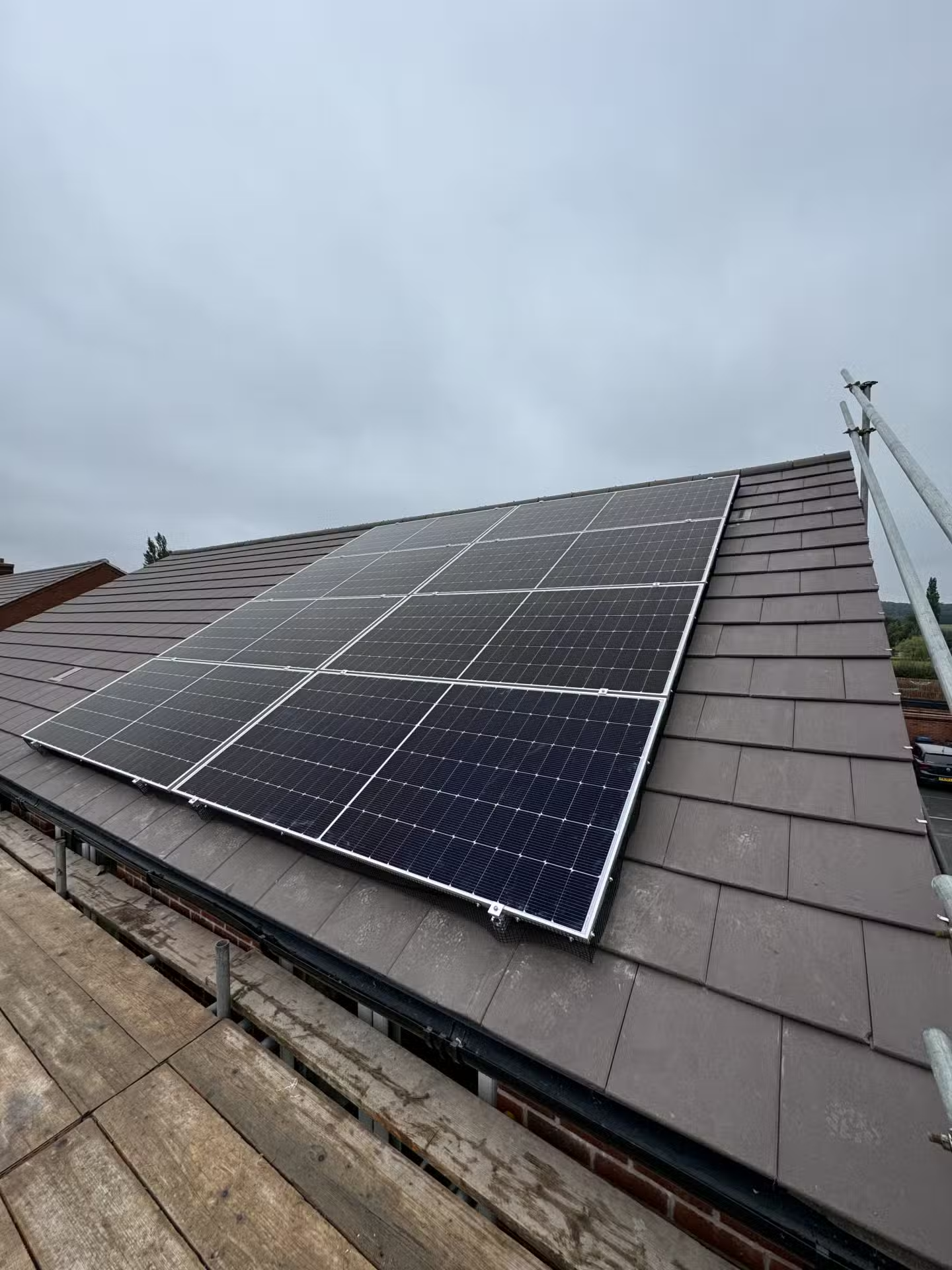
Generating your own renewable energy provides the ultimate protection against rising energy prices whilst demonstrating environmental commitment. Solar panels are the most practical option for most UK businesses.
Solar Panels for Businesses
Commercial solar installations have become increasingly accessible for UK businesses, with systems typically paying for themselves within several years depending on system size, energy consumption, and current tariffs. Key benefits include:
- Reduced electricity bills: Generate free electricity during daylight hours
- Protection from price rises: Solar output is unaffected by market volatility
- Income from excess generation: Export unused electricity via Smart Export Guarantee
- Enhanced property value: Solar installations increase commercial property appeal
- Improved environmental credentials: Demonstrate tangible sustainability action
Roof-mounted systems suit most commercial buildings with appropriate structural capacity and minimal shading. Ground-mounted arrays work for sites with suitable land. Our commercial solar installation services cover everything from initial survey through to commissioning and ongoing support.
Battery Storage
Adding battery storage to commercial solar maximises self-consumption by storing excess generation for use during evening peaks or cloudy periods. This increases the proportion of solar energy used on-site (rather than exported at lower rates) and can provide backup power during grid outages.
Other Low-Carbon Technologies
Depending on your premises and energy needs, other renewable options may be worth considering:
- Solar thermal: Heats water directly, useful for businesses with high hot water demand
- Biomass boilers: Burn sustainable wood pellets or chips for heating
- Air source heat pumps: Efficient electric heating suitable for many commercial applications
Discover Your Solar Potential
Find out how much your business could save with commercial solar panels. Our MCS-accredited engineers provide free, no-obligation assessments.
Request Free Assessment View Case StudiesIndustry-Specific Energy Saving Tips
Different business types have distinct energy profiles and opportunities. Here are targeted recommendations for common sectors, from SME energy efficiency UK requirements to industrial energy saving tips UK businesses can implement immediately.
Offices
- Optimise IT equipment power management
- Implement hot-desking to reduce heated/cooled space
- Use task lighting rather than overhead lights
- Consolidate and virtualise servers
- Consider flexible working to reduce building occupancy
Retail and Hospitality
- Install night blinds on refrigerated display cases
- Schedule lighting for trading hours only
- Use door closers to reduce heat loss
- Maintain refrigeration equipment regularly
- Consider LED retrofit for display lighting
Warehouses and Industrial
- Upgrade to high-bay LED lighting
- Install fast-acting doors at loading bays
- Zone heating to occupied areas only
- Review motor and machinery efficiency
- Maximise roof space for solar generation
Energy Audits and Assessments
A systematic business energy audit identifies exactly where energy is used and wasted, providing a prioritised roadmap for improvements. Business energy audits UK providers offer various levels of assessment depending on your requirements.
What Is a Business Energy Audit?
An energy audit examines your building, equipment, and operations to identify inefficiencies and quantify savings opportunities. Depending on complexity, this might involve reviewing utility bills, inspecting equipment, monitoring consumption patterns, and benchmarking against similar premises. The output is typically a report prioritising improvements by potential energy savings and ease of implementation.
Professional vs Internal Audits
Simple walk-through audits can be conducted internally using available checklists and guidance. For more comprehensive assessment, professional energy auditors bring expertise, measurement equipment, and benchmarking data. Professional audits are particularly valuable for larger premises, complex operations, or when seeking external funding that requires independent verification.
Acting on Audit Results
An audit is only valuable if you act on its findings. Categorise recommendations into quick wins (implement immediately), medium-term improvements (budget for next financial year), and major investments (evaluate business case carefully). Track implementation and measure actual savings against predictions to build confidence in future investments.
Government Schemes and Support (UK)
Various UK programmes support business energy efficiency, from grants and loans to tax incentives and advisory services.
Energy Efficiency Grants
Grant availability varies by region, sector, and time. Local authorities often administer schemes for SMEs, whilst sector-specific programmes target areas like manufacturing or hospitality. The Nottingham City Council decarbonisation grants exemplify local support available in some areas. Regular checking of current opportunities ensures you don't miss available funding.
Tax Relief and Incentives
Capital allowances enable businesses to deduct the cost of qualifying energy-saving equipment from taxable profits. The current super-deduction and full expensing provisions can make energy efficiency investments significantly more attractive. Consult your accountant about how these apply to your planned improvements.
Advisory Services
Government-backed advice is available through various channels, including the UK Business Climate Hub and local growth hubs. These services often provide free initial assessments and signposting to relevant support programmes. Our funding solutions guide provides additional information on financing options.
Measuring and Tracking Savings
What gets measured gets managed. Establishing baseline measurements and tracking progress ensures your energy efficiency efforts deliver expected results.
Setting Energy Reduction Targets
Effective targets are specific, measurable, and time-bound. Start by establishing your baseline consumption (typically the previous 12 months). Set realistic reduction targets based on planned measures—5–10% for behavioural changes, 15–25% for equipment upgrades, 30%+ for combined approaches including renewables.
Key Performance Indicators (KPIs)
Track metrics that reveal genuine efficiency rather than just consumption:
- kWh per square metre: Accounts for building size
- kWh per employee: Accounts for occupancy levels
- kWh per unit produced: For manufacturing, accounts for output
- Energy cost as percentage of revenue: Business context
- Carbon emissions (kgCO2e): Environmental impact
Continuous Improvement
Energy efficiency isn't a one-time project but an ongoing process. Schedule regular reviews (monthly or quarterly) to assess performance against targets, identify new opportunities, and adjust strategies. Staff changes, business growth, and new technologies all create opportunities for further improvement.
Common Mistakes Businesses Make
Avoiding these pitfalls helps ensure your energy efficiency efforts succeed.
Mistakes to Avoid
- Focusing only on big investments: Quick wins and behavioural changes often deliver better returns than expensive capital projects
- Not monitoring usage: Without baseline data, you can't measure improvement or identify waste
- Ignoring staff involvement: Technology only works if people use it correctly—engagement is essential
- Implementing measures without maintenance: Equipment needs ongoing attention to maintain efficiency
- Expecting instant results: Some savings accumulate over time; patience and persistence pay off
Building a More Energy-Efficient Business
Energy efficiency delivers multiple benefits: reduced costs, improved competitiveness, enhanced sustainability credentials, and protection against future price rises. The businesses that implement UK business energy efficiency solutions now position themselves advantageously for an increasingly energy-conscious market.
Key takeaways for UK businesses:
- Start with quick wins—LED lighting, thermostat optimisation, and standby power elimination—for immediate savings
- Engage staff in energy efficiency; behavioural changes multiply the impact of technology investments
- Use smart meters and monitoring to identify waste and track improvement
- Consider solar panels for long-term electricity cost reduction and energy independence
- Take advantage of available grants, tax incentives, and advisory services
- Set targets, measure progress, and treat energy efficiency as an ongoing process
Start Your Energy Efficiency Journey
Even small changes deliver real results. A typical SME implementing the quick wins described in this guide can expect 10–20% energy savings with minimal investment. Adding solar panels and battery storage can reduce electricity costs by 30–50% or more, with systems typically paying for themselves within several years depending on your circumstances.
Spectrum Energy Systems has helped businesses across Nottinghamshire, Derbyshire, Leicestershire, and Lincolnshire reduce their energy costs since 2011. Our MCS-accredited engineers design and install solar PV systems tailored to each business's needs, from small commercial premises to large industrial installations. We handle everything from initial assessment through DNO applications, installation, and ongoing support.
Frequently Asked Questions
Ready to Cut Your Business Energy Costs?
Get a free, no-obligation assessment of your solar potential from our experienced team. We'll show you exactly how much you could save.
Get Your Free Quote Read Our Business GuideAbout Spectrum Energy Systems: Established in 2011, we're MCS-accredited commercial and domestic solar installers serving Nottinghamshire, Derbyshire, Leicestershire, Lincolnshire, and the wider East Midlands. Our experienced team designs and installs tailored solar solutions that maximise energy savings and efficiency. Learn more about our expertise or explore our business resources for comprehensive solar guidance. We also offer commercial EV charging solutions and ongoing maintenance support.